
Constellation Research founder R Ray Wang assesses artificial intelligence spending on Meta, Alphabet and Microsoft’s Varney & Co.
rise of Artificial intelligence (AI) Despite concerns that creative jobs could be negatively impacted, new analysis finds that even as AI reshapes creative jobs, they are not disappearing.
The Gallup report examines research in the Journal of Cultural Economics and finds little evidence that generative AI is significantly reducing artists’ incomes, based on data from the Gallup Workforce Commission and federal labor market data.
The analysis used the 2024 Occupational Exposure Index scoring system to measure how exposed specific job tasks are to generative AI. For example, what tasks are large language models likely to be able to perform or assist with?
within artistic professionexposure to AI was wide-ranging. For example, music directors and composers have an exposure score of around 0.7, meaning a significant portion of their work involves composing and producing, and AI tools can help with drafting and revising. Meanwhile, special effects artists and animators scored a 0.54, and disc jockeys, art directors, and other producers and directors scored around a 0.5.
Zuckerberg says meta layoffs are related to AI spending and future job cuts cannot be ruled out
The analysis found that AI is not causing the loss of artistic jobs, despite its incorporation into the tasks of some roles. (recep-bg/Getty Images)
Among the artistic roles with less exposure to AI were dancers, whose exposure scores were around 0.04, while actors had scores of around 0.18 and craft artists and choreographers had scores of around 0.27 to 0.28. The primary work in these fields involves raw immersion, interpretation, and physical skills that cannot be easily replaced by generative AI.
“We have looked at the evidence and it does not show any significant negative effects. The impact of AI on employment. Using Bureau of Labor Statistics employment and wage statistics from 2017 to 2024, income trends for artistic occupations with high exposure to generative AI appear to be roughly similar to artistic occupations with low exposure. “While statistically indistinguishable from zero, the estimate is slightly positive,” Gallup said.
Elon Musk supports “universal high income” as a way to combat unemployment through AI
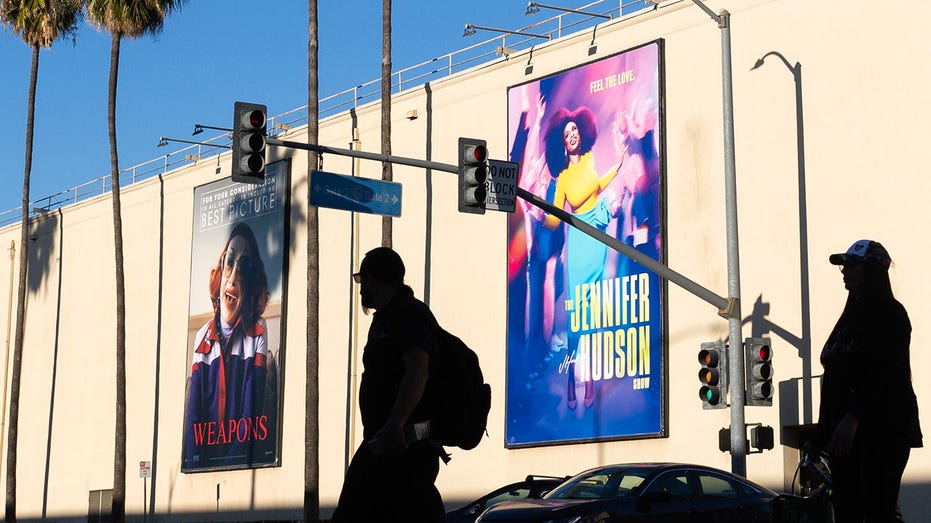
Creative workers in some artistic professions are more exposed to AI tools than others. (Myung J. Chun / Los Angeles Times via Getty Images)
The report notes that data on employment patterns are more complex, with some of the more exposed artistic occupations Employment growth slows in 2023 compared to those with less exposure.
“Even so, the differences are small and far from the widespread job losses often envisioned in discussions of AI and job losses,” Gallup noted.
Census Bureau data from the American Community Survey also shows that artists in occupations that are more exposed to AI see modest incomes. increase in income Before and after this period, total working hours increased more clearly from 2022 and remained elevated until 2024.
It’s time to let go of your fears about AI – experts say we have less to fear than we think
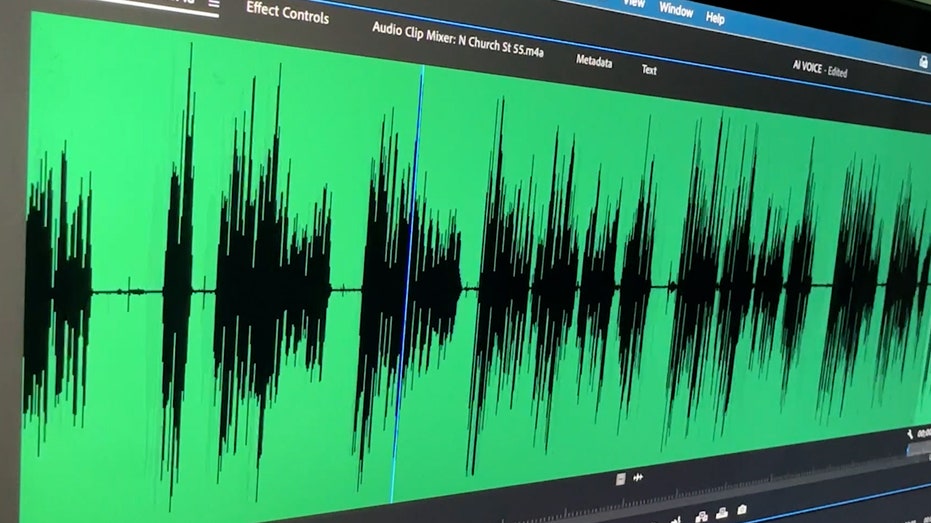
AI tools can assist creative workers with specific tasks in the editing process, such as audio and video editing. (FNC)
According to data from the Gallup Workplace Commission, employees in arts professions report slightly higher rates of AI use than the workforce as a whole, with about 1 in 4 saying they use AI frequently, compared to about 1 in 5 workers in the economy as a whole.
“Artists are more likely to report using AI than other workers. idea generation and creative exploration. They also report using it to automate small tasks, integrate information, and support collaboration. Not surprisingly, artists are less likely to use AI for operational tasks such as customer interactions and equipment management,” Gallup wrote.
CLICK HERE TO GET FOX BUSINESS ON THE GO
“These patterns suggest that generative AI primarily plays a role in the early stages of creative work, helping artists experiment with ideas, iterate quickly, and organize parts of their creative workflows. It also has the potential to give artists more control over their careers by increasing their ability to create documentation, create outreach, and automate mundane tasks related to travel and lodging.


