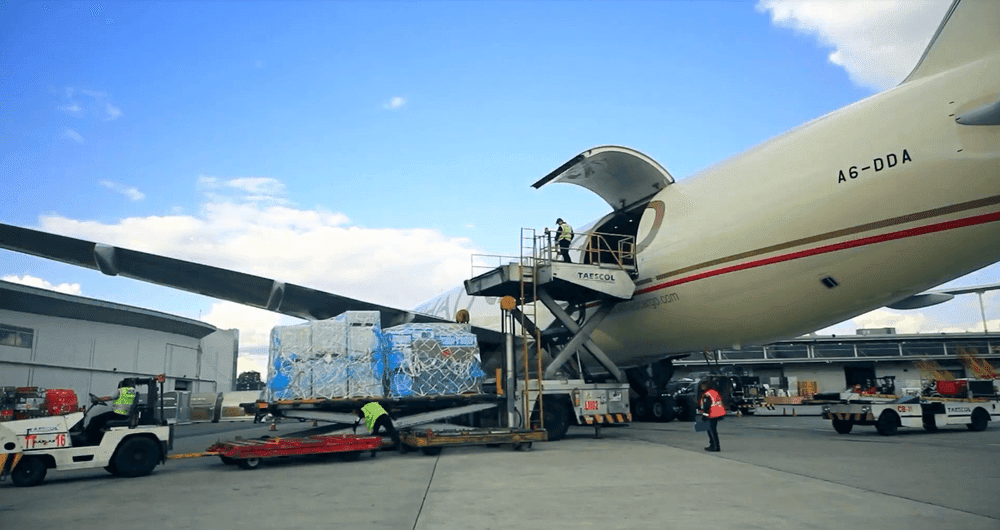
Growth in e-commerce and air cargo transportation is driving new investments in video surveillance and artificial intelligence systems for cargo terminals in Latin America, as operators look to improve operational efficiency and product traceability.
According to Motorola Solutions, airport investment in this type of solution is increasing at an annual rate of 25% in Latin America due to the need to manage larger volumes of cargo at a higher level of efficiency.
“Companies today are starting to work on smaller margins and pursue volume gains. But to be able to manage that, you have to be efficient,” Alejandro Angeletti, sales director at Motorola Solutions, told BNamericas.
One of the projects developed by the company was implemented for Aeropuertos Argentina Cargo at Ezeiza International Airport, through which 93% of the country’s air cargo activity passes.
The project included approximately 400 cameras, video management software, and analytics and artificial intelligence tools designed to monitor the location and movement of goods within the terminal.
According to the company, the goal is to improve operational visibility, detect bottlenecks, prevent incidents and optimize logistics processes.
Artificial intelligence operates on three levels. One is the camera itself, which acts as a sensor that can identify patterns and related events. Video management platforms process and organize information for operators. It is also used in the generative artificial intelligence server installed at the Aeropuertos Argentina Calgas facility.
This architecture allows you to identify events of interest without the need for continuous human monitoring, allowing operators to focus their attention on situations that require intervention.
Motorola believes this type of solution will continue to expand in the region as freight volumes increase and pressure to improve operational efficiency increases.
Beyond air transport, the company sees a growing demand for these tools in ports and land terminals in countries such as Brazil, Chile, Peru and Colombia, where there is also a focus on optimizing processes, reducing inefficiencies and improving cargo traceability.
“We believe there is an increasing need in the market to understand what is happening in each of these terminals and adjust all processes to be more competitive,” Angeletti said.
(The original version of this content was written in Spanish)