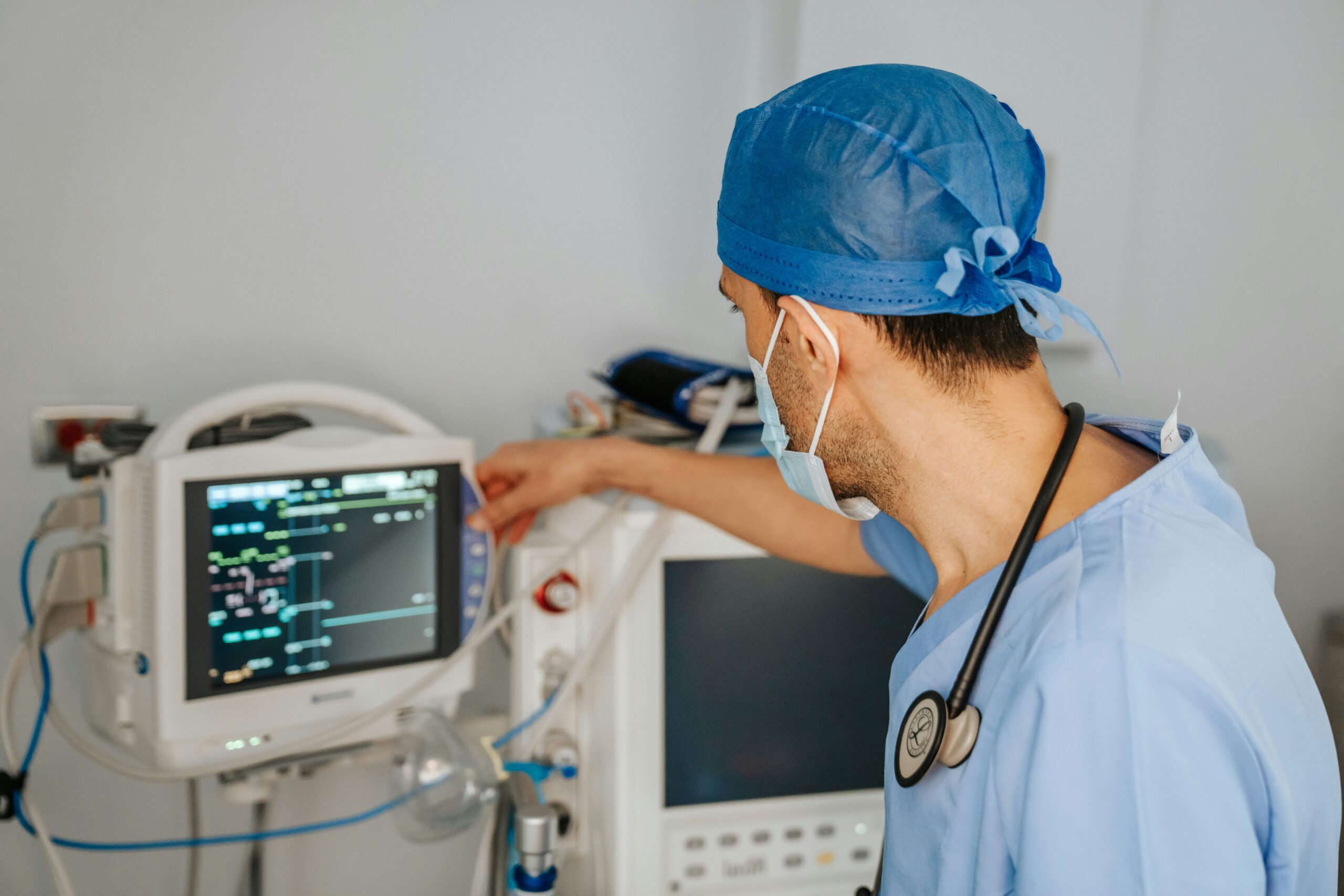
Nursing is a profession built on compassion, critical thinking, and a unique human touch. The idea of introducing artificial intelligence into this familiar realm of algorithms, datasets, and machine learning can feel uncomfortable and even threatening. But a quiet revolution has already begun.
Far from a dystopian future of robot caregivers, AI is subtly being integrated into the care profession, not as a replacement but as a powerful invisible partner. We work behind the scenes to improve nurses' performance, reduce their administrative burden, and ultimately give them back their most precious asset: their time with their patients.
Here are some ways it manifests itself.
From clipboard to cognitive assistant
One of the most significant and least glamorous challenges in modern nursing is the overwhelming amount of administrative workload. Nurses may spend a significant portion of their shifts documenting electronic health records (EHRs), coordinating schedules, and managing inventory. This is the first frontier where AI can bring tangible change.
AI-powered speech recognition and natural language processing tools are beginning to automate graphing. Instead of typing reams of notes, nurses simply speak and the AI transcribes, categorizes, and files the information into the appropriate fields in the patient record. This technology is becoming sophisticated enough to understand clinical terminology and context, significantly reducing documentation time.
In addition, AI algorithms can analyze staffing patterns, patient survey data, and urgency levels to predict scheduling needs and appropriately staff units without overburdening individuals. The idea is not to replace the judgment of charge nurses, but to give them data-driven tools to make more informed and efficient decisions.
predictive power
Perhaps the most transformative impact of AI in nursing lies in its predictive capabilities. Registered nurses are experts at recognizing subtle signs of patient deterioration, but even the most experienced professionals cannot process thousands of data points simultaneously. AI can do it.
Machine learning models are trained on vast datasets of patient vitals, test results, and clinical histories to identify patterns invisible to the human eye. The most obvious example is the early detection of sepsis, a life-threatening condition that is notoriously difficult to diagnose in its early stages. AI systems monitor patient data streams in real time and can flag individuals at high risk for sepsis for hours or even a full day before any obvious clinical symptoms appear. This early warning allows the nursing team, which includes RNs, social workers, and nursing PhDs, to proactively intervene and begin life-saving treatment sooner.
This digital safety net is being extended to other areas, such as predicting patient falls by analyzing gait and movement through sensors and identifying patients at risk of hospital-acquired infections. AI acts as a tireless and ever-vigilant second set of eyes, enabling nurses to move from reactive to proactive care, preventing crises rather than just responding to them.
Personalize the patient experience
The promise of AI in nursing also extends to coordinating patient care and education. AI helps suggest modifications to individualized care plans by analyzing patient-specific health profiles such as genetics, lifestyle, and comorbidities. If you have diabetes, we may recommend certain dietary adjustments based on real-time blood sugar readings. For post-operative patients, it helps create a rehabilitation plan customized to your progress.
Beyond hospital walls, AI-powered chatbots are improving post-discharge care. These bots can answer common patient questions, provide medication reminders, check in on symptoms and escalate to a human nurse only when necessary. Not only does this empower patients to take control of their health, it also lowers readmission rates and frees nurses from repeated follow-up calls, allowing them to focus on more complex patient needs.
human-centered care
While the fear that AI will dehumanize medicine is understandable, the reality is the opposite. AI is liberating nurses, rather than sidelining them, by taking over the burden of data analysis, administrative tasks, and day-to-day monitoring.
As algorithms monitor subtle drops in oxygen saturation and smart systems crunch inventory counts, nurses are free to do things that traditional machines can't. It's about being with frightened patients, explaining diagnoses to worried families, and using your intuition to investigate complaints.
While many are currently viewing the influx of AI into the workforce with some degree of fear and trepidation, there is more to celebrate than denigrate at this point. The future of nursing is not just a matter of technology and touch. It's about the high tech that makes high-touch possible. AI is a silent partner that does the heavy lifting in the background, allowing bedside nurses to be more present, more focused, and more human than ever before.