Application of machine learning algorithms for groundwater level prediction in the Najafabad plain

Study area The Najafabad Plain, located in Isfahan Province in central Iran, is a key agricultural region within the Zayandeh Rud Basin. It spans approximately 1,712 km², comprising a central alluvial aquifer of about 940.9 km², with the remaining 772.5 km² consisting of surrounding highlands. Geographically, the plain lies between longitudes 50°57′ and 51°44′26″ E and latitudes 32°20′13″ […]

Continue Reading

Machine learning dramatically speeds up heterogeneous catalyst simulations

Heterogeneous catalysts require complex computational processes for calculations due to the variation in reaction paths and possibilities. Now, thanks to a clever combination of programming and machine learning, researchers have achieved dramatic increases in simulation speed and made resource-intensive processes more energy efficient. The results reported for reactions that convert carbon dioxide into fuels may […]

Continue Reading

Prediction of sedimentation concentration profiles in tilted suspension systems: A data-driven neural network framework.

Quitian-Ardila, LH et al. Increasing xanthan gum concentration improves rheological and thermal stability of water-based drilling fluids. Physics. fluid 36102305. https://doi.org/10.1063/5.0230214 (2024). Google Scholar Reyes, C. et al. Review on steep slope colonists for water purification. Miner. engineering 184107639. https://doi.org/10.1016/j.mineng.2022.107639 (2023). Google Scholar Concha, F. Solid-Liquid Separation in Mining, Fluid Mechanics and Its Applications, 2014. […]

Continue Reading

Machine and Deep Learning Reveal Sequence Determinants Encoding Bivalent Histone Modifications

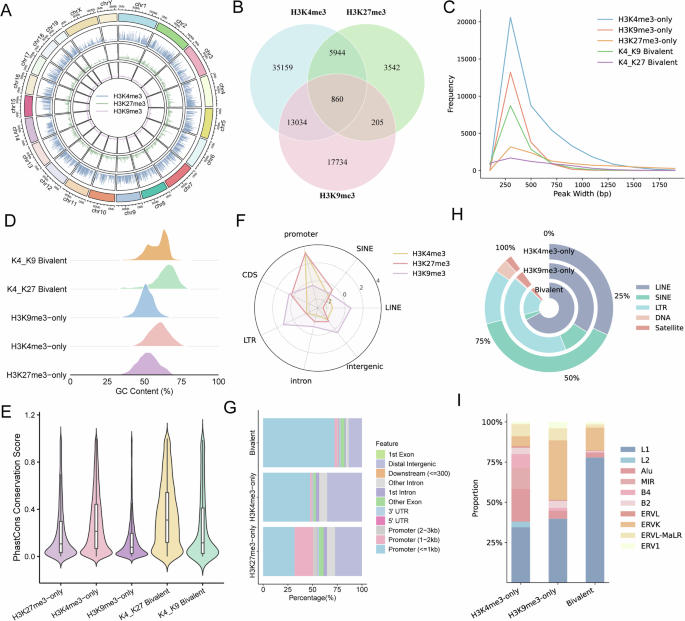
Genome-wide profiling of histone modifications in mouse embryonic stem cells To systematically investigate the regulatory patterns of univalent and bivalent histone modifications, we compared the signal intensities and chromosomal distribution preferences of different histone marks. Among them, H3K4me3 displayed globally higher enrichment levels in mESCs compared to the two repressive modifications, H3K27me3 and H3K9me3. These […]

Continue Reading

Artificial allosteric protein switches with machine-learning-designed receptors

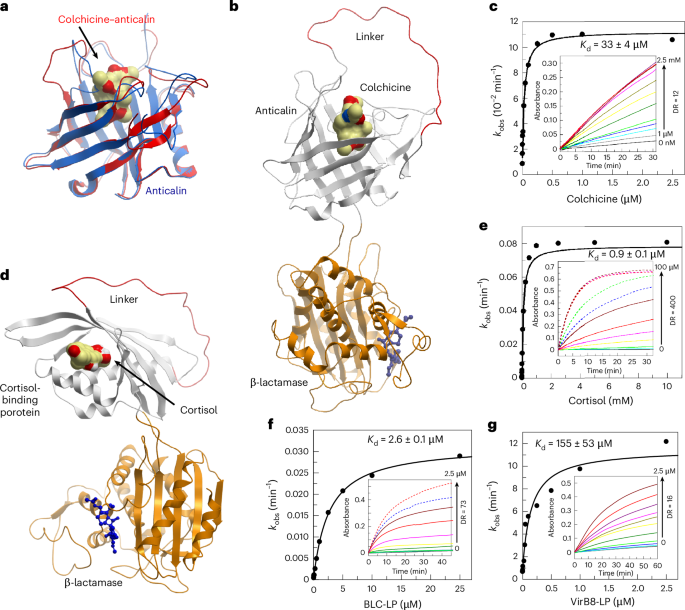
Materials Cortisol, 17-OHP, 2,6-dichlorophenolindophenol (DCPIP), phenazine methosulfate (PMS), pyrroloquinoline quinone (PQQ), 1-ethyl-3-(3-dimethylaminopropyl)carbodiimide (EDC), N-hydroxysuccinimide (NHS) and polyethyleneimine (PEI) were purchased from Sigma-Aldrich. Compound UW154 was commercially synthesized by o2h Discovery39. NanoLuc substrate furimazine was purchased from Promega. Deuterated chemicals were purchased from Goss Scientific Instruments. The LuxSit Pro assay kit was acquired from Monod Bio […]

Continue Reading

Predicting post-stroke functional outcome using explainable machine learning and integrated data

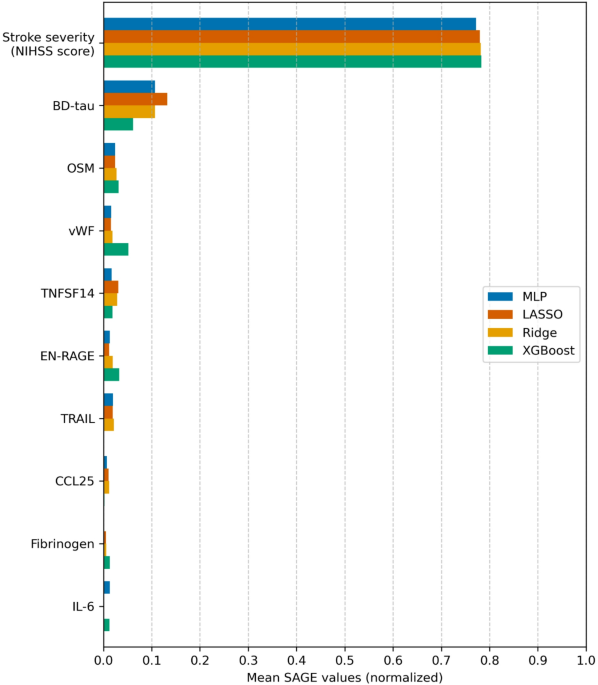
This study aimed to evaluate the performance of various ML models in predicting unfavorable 3-month functional outcome after ischemic stroke using a richly annotated dataset comprising a broad set of clinical characteristics and diverse blood biomarkers, including proteomic data on inflammation-related proteins. Additionally, we sought to identify key predictors driving model performance using the model-agnostic […]

Continue Reading

DOE explains machine learning | Department of Energy

machine learning The process of using computers to detect patterns in large data sets and then making predictions based on what the computer learns from those patterns. This makes machine learning a specific and narrow type of artificial intelligence. Full artificial intelligence includes machines that can perform abilities associated with human and intelligent animal minds, […]

Continue Reading