
January 30, 2026
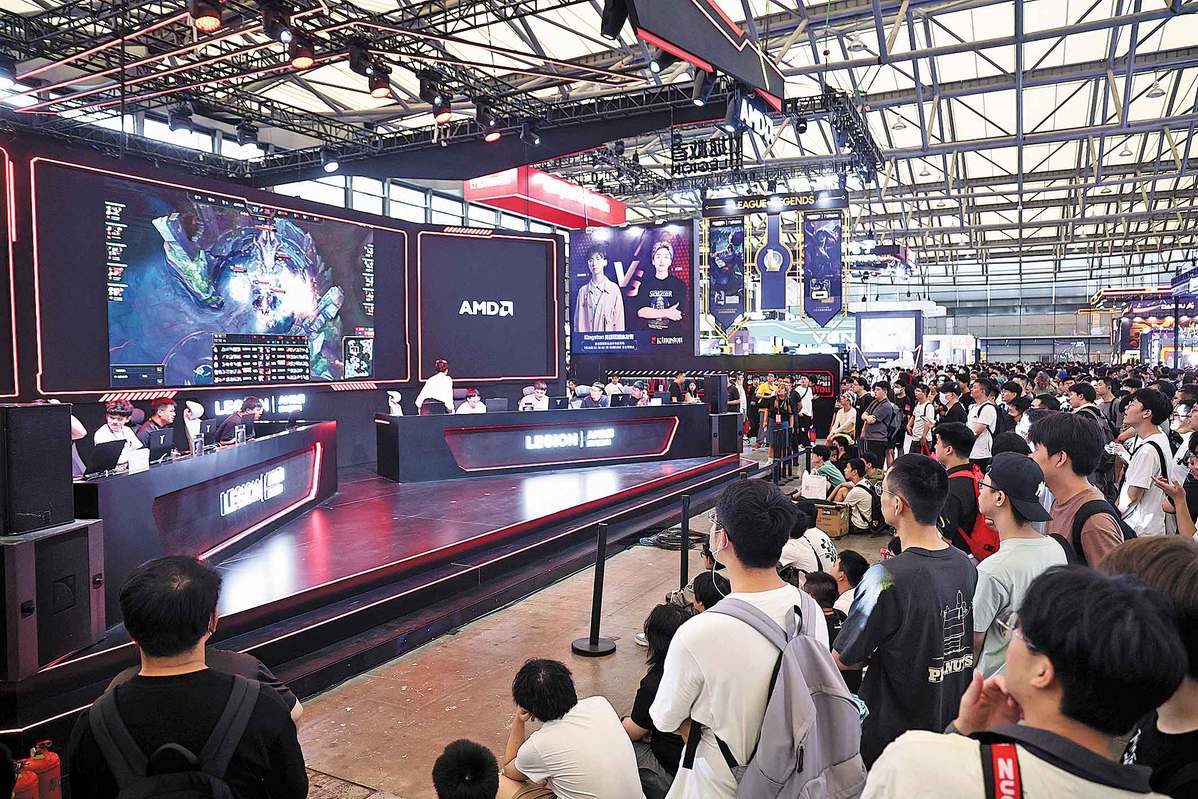
Beijing – China’s gaming industry has emerged as a major force on the world stage in recent years, building on the foundations of its domestic market and driven by technological innovation, cultural integration, and globalization efforts.
China is already the world’s largest gaming market, with domestic sales revenue exceeding 325 billion yuan ($46.8 billion) in 2024. By the first half of 2025, the number of domestic game users in China will reach approximately 679 million, and the actual sales revenue of Chinese self-developed games in overseas markets will exceed $9.5 billion, an increase of 11.07% over the previous year.
Chinese gaming companies accounted for 35% of the money spent globally on efforts to attract new users to gaming applications, up 22% year-over-year, according to a report released Monday by AppsFlyer, a mobile attribution and marketing analytics platform.
The report also points out other aspects of the mobile gaming market, such as the rise in production powered by artificial intelligence and the proliferation of advertising. Meanwhile, creative output expanded rapidly across all spend tiers in 2025, with top gaming advertisers producing 2,400 to 2,600 creative variations per quarter, an increase of 25 to 30% year over year.
Apart from increased advertising spending, Chinese companies have significantly increased investment in research and development, putting them at the forefront of global technological advancements.
It is noteworthy that the rapid application of artificial intelligence in China, not only in gaming, but also in e-commerce, social media, marketing and advertising, is not an isolated phenomenon, but rather reflects the country’s cumulative progress in cutting-edge innovation. This focus on innovation has enabled Chinese game developers to create unique gaming experiences that appeal to a global audience.
Another secret to China’s gaming industry’s success is its ability to take advantage of the growing interest in Chinese culture abroad. By integrating Chinese cultural elements, the developers have created a gaming experience that resonates with a variety of audiences. China is rich in cultural resources and human resources, and AI has proven to be an efficient and effective tool to unlock their potential.
Chinese games have now entered markets in more than 100 countries and regions, and games such as Honor of Kings have attracted millions of users around the world, demonstrating China’s ability to produce world-class digital entertainment that is distinctly Chinese. This is also exemplified in Black Myth: Wukong, which utilizes Chinese mythology to provide a rich narrative experience. By incorporating traditional Chinese culture into games, Chinese developers not only give their products a unique appeal, but also promote cross-cultural understanding.
Additionally, the integration of cutting-edge technologies such as AI and data analytics has enhanced the industry’s ability to meet user demands. This combination of technological advantages and commercialization model facilitates Chinese gaming exports and contributes to a robust digital trade ecosystem.
Growth in the gaming industry supports China’s broader economic goals by contributing to digital trade and creating job opportunities. The development of a comprehensive industrial chain, supported by favorable policies that emphasize the importance of cultural industries and the need to build a strong public cultural service system, will promote sustainable growth in this sector.
Games have become a new world language, promoting cultural exchange and understanding. The advancement of China’s gaming industry will significantly strengthen the country’s soft power. As carriers of digital culture, Chinese games provide interactive experiences that engage players as interpreters of different cultures. By reaching a wide audience, these games contribute to a deeper understanding of China’s cultural heritage and values.


