
With QClaw, users can simply download the application on their Windows or MacOS device, register, scan a QR code, and be up and running in less than three minutes. QClaw was previously‑Integrate with multiple tops‑It layers large international language models and also supports custom model integration via API keys to accommodate diverse usage configurations.
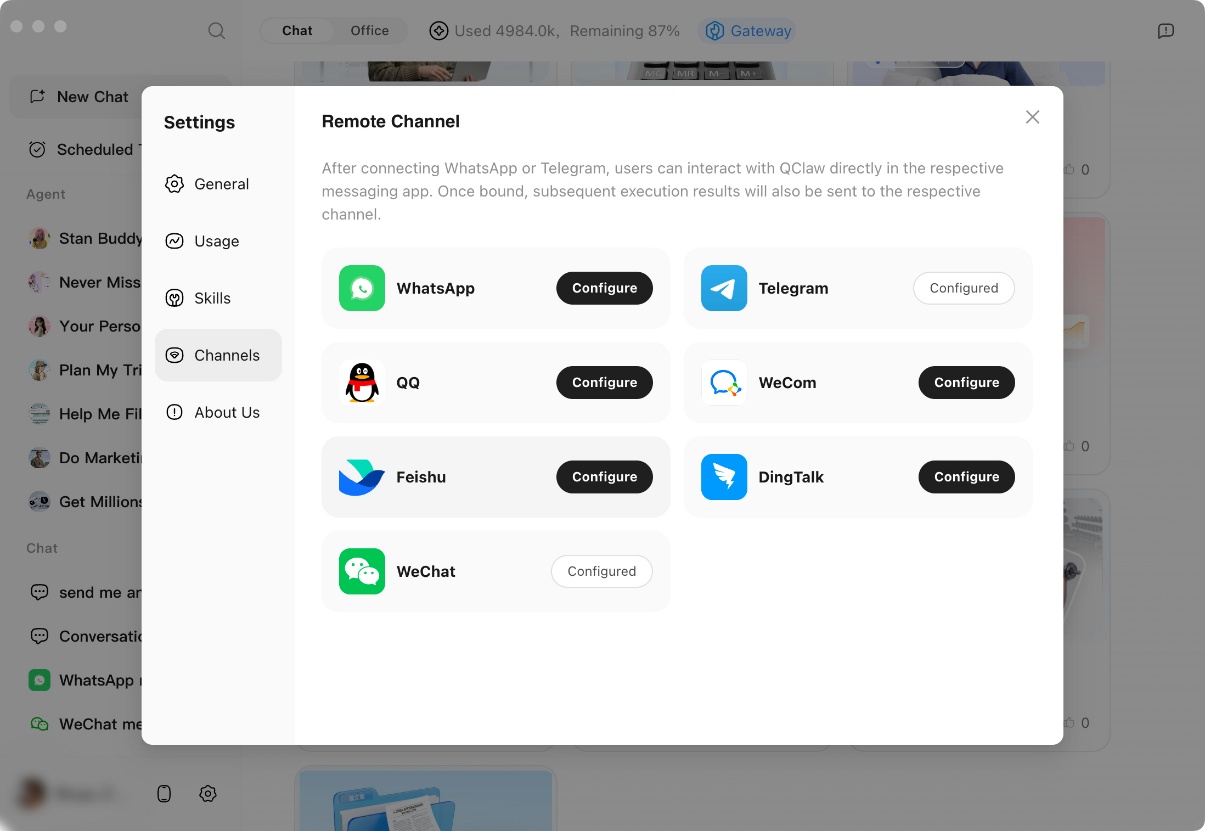
Users can connect their favorite instant messaging channels, such as WhatsApp or Telegram, to QClaw, allowing them to issue remote commands, prompts, and instructions on their smartphones and sync them to their computers in real-time to perform tasks instantly.
Three major use cases for QClaw: Powering every aspect of your daily life
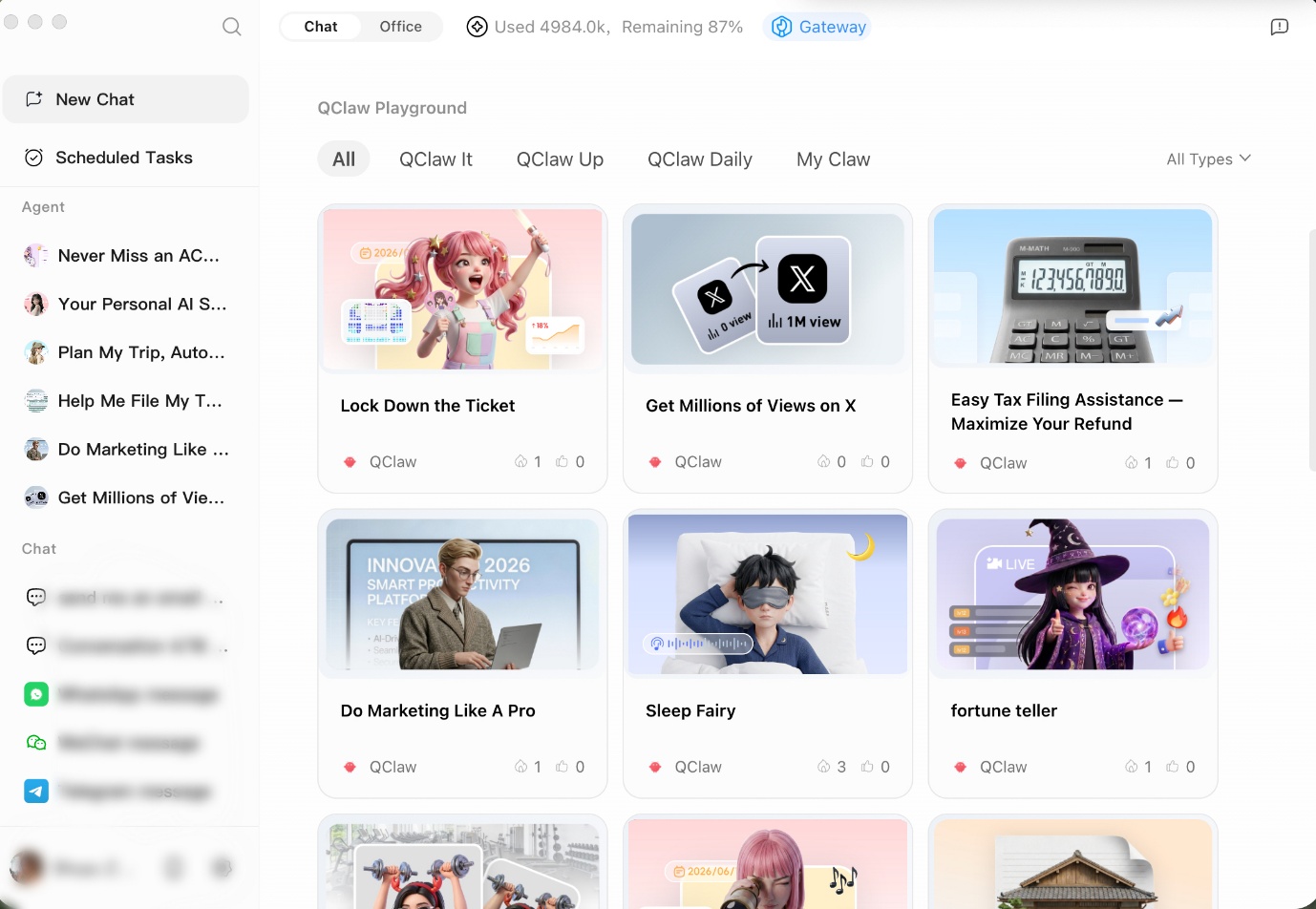
OpenClaw’s main appeal lies in its ability to develop AI agents that gain a deeper understanding of users’ needs over time through continuous interaction. Based on this key feature, QClaw provides users with three main use cases pre-configured with AI agents, designed to improve various scenarios in daily life.
- QClaw It – an AI agent that helps simplify repetitive and tedious tasks like travel planning, tax filing, ticket buying, etc.;
- QClaw Daily – An AI agent that creates and reminds users of daily routines related to fitness, beauty, sleep patterns, health, and more. and
- QClaw Up – An AI agent that improves work productivity in areas such as marketing, social media engagement, and job applications.
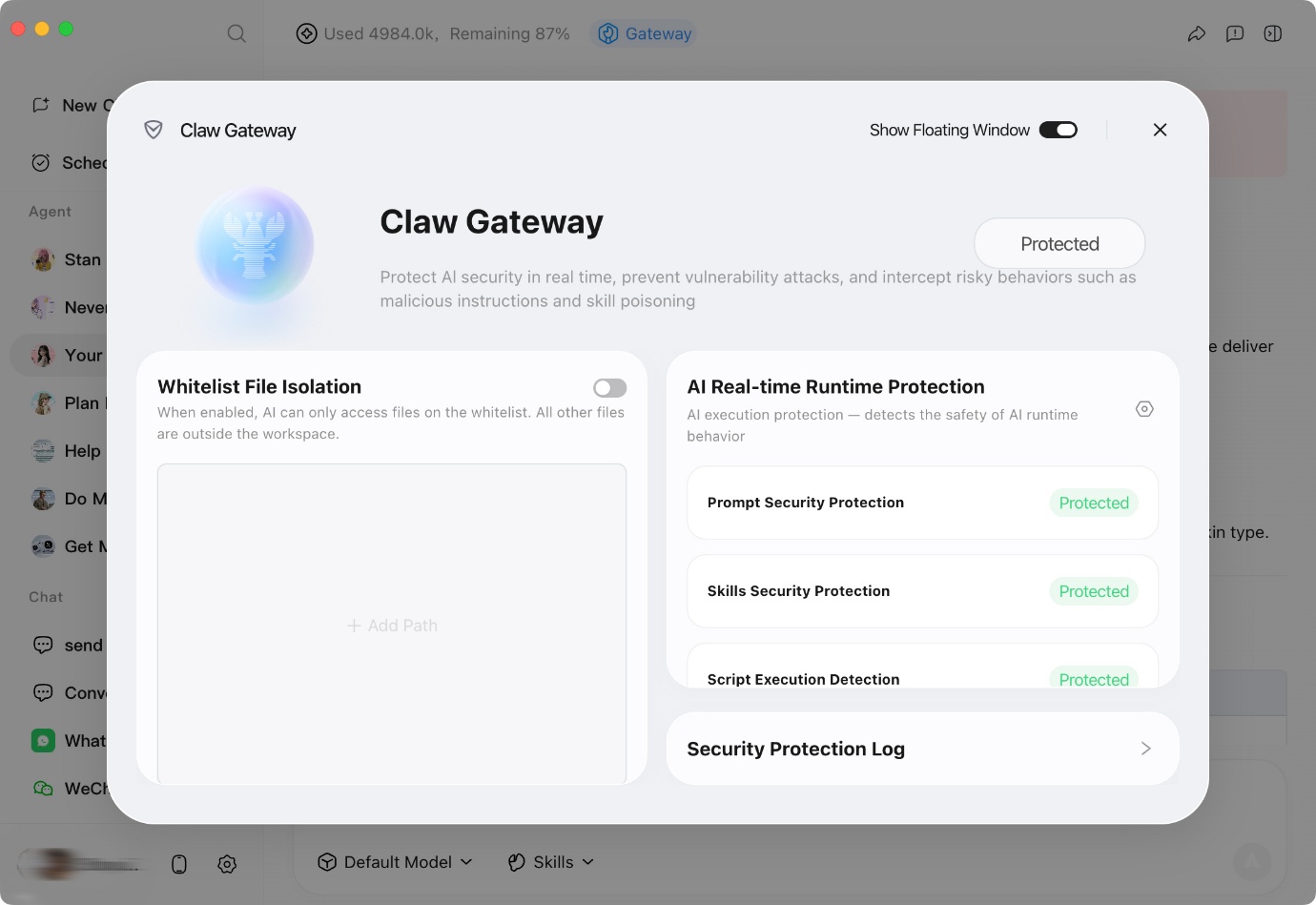
QClaw runs on the user’s device and all data is processed within the user’s environment. A dedicated security module called “Claw Gateway” has also been introduced., End of offer‑to‑Ultimate protection of AI operations (including actual operations)‑Temporarily detect malicious commands and skill addiction risks.
Since its launch in public beta in mainland China, QClaw has delivered over 80 feature iterations within a month.
The international version of QClaw is currently open to the first group of users (20,000 slots) via the official website: qclawsg.qq.com.
*QClaw’s international beta is currently available only to users in Canada, Japan, Singapore, South Korea, and the United States. It will be rolled out gradually in more markets.