In the past year or so, A.I.-The generated videos are so good that it is very difficult to tell whether the video is real or not. A British television station recently aired a program on AI. At the end of the episode, the “woman” who was hosting the show announced that she was not real.
Deep learning and generative AI
AI tools are typically trained using “deep learning”. Deep learning allows computer programs to deeply categorize vast amounts of information, finding patterns that humans often miss. These patterns are stored in “models” that can be used to apply the patterns in new and sometimes surprising ways. Generative AI uses these patterns to create new text, images, music, video, or other media that didn’t exist before.
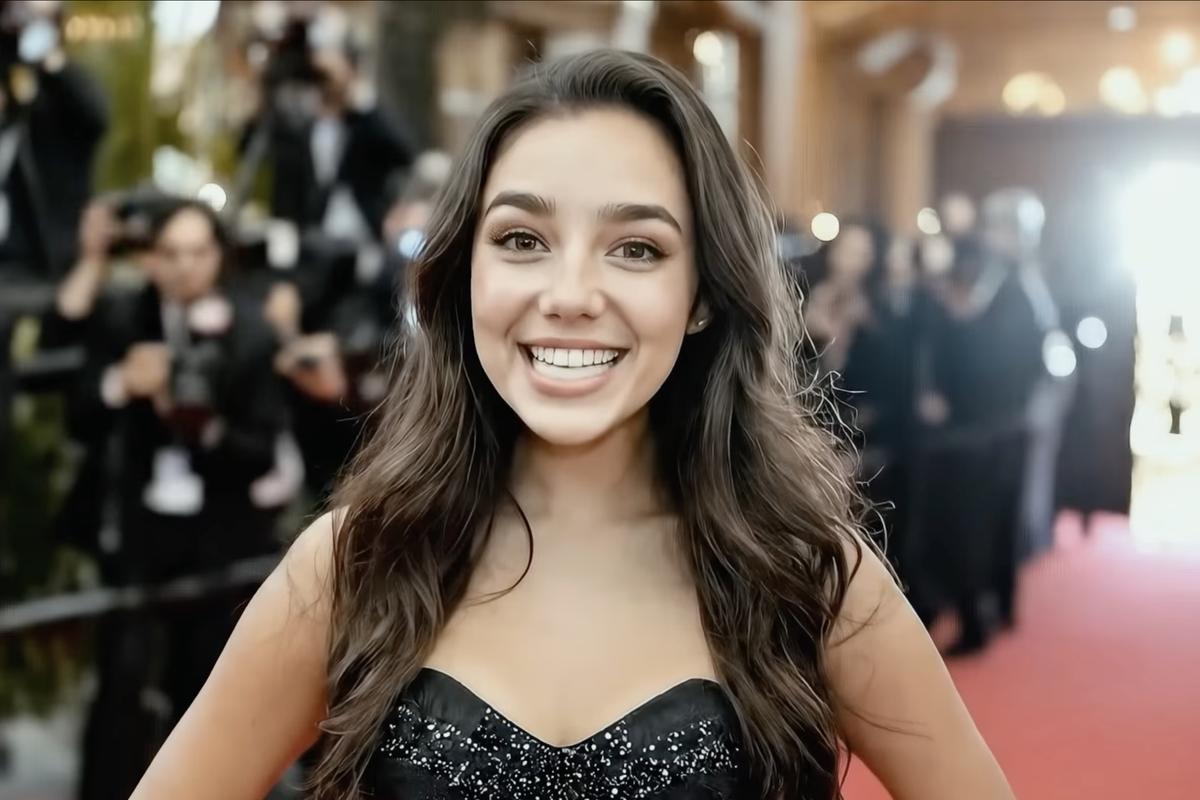
(Source: Particle6 Group [Public Domain]via Wikimedia Commons. )
Over the past few years, major technology companies have put a lot of effort into developing generative AI models. It is a model that allows you to create new works based on short suggestions called prompts. The incredible capabilities of these tools have raised concerns that many workers will be displaced by AI in the future.
Perhaps the most famous of these tools is OpenAI’s ChatGPT. It can create computer code, research papers, poems, and songs very quickly. You can also answer difficult questions and perform complex calculations. Many large technology companies now have their own versions of these text generation models. And they are used everywhere. Google has even replaced its regular search tools with AI models.

(Source: Flux [Public Domain]via Wikimedia Commons. )
AI models are trained to create more than just text. You can create music, artwork, realistic photos, and even videos. Initially, the works created with these tools were impressive, but they often encountered obvious problems, such as those with six fingers.
However, with time and a lot of training, most of these problems have now been resolved. Several companies now offer inexpensive or free tools to create short, realistic videos. These tools can now create images and videos so realistic that they are indistinguishable from real photos and videos.

(Source: GPT-4o [Public Domain]via Wikimedia Commons. )
This can cause problems. Fake images and videos quickly spread on social media after Hurricane Melissa last week. One video falsely suggested a shark had been blown into a local pool by a hurricane.
Many AI videos are meant to be entertaining. But it’s easy to see how this tool could be misused, leading many people to believe things that aren’t true. This can be especially powerful and dangerous in politics.
Surprise AI presenter appears on TV show about AI
On October 20th, on an English news program. dispatch We aired a special episode called “Will AI take my job?” The show aired on the television network Channel 4. In it, a reporter named Aisha Gavan discussed how AI could impact different types of jobs in the future.
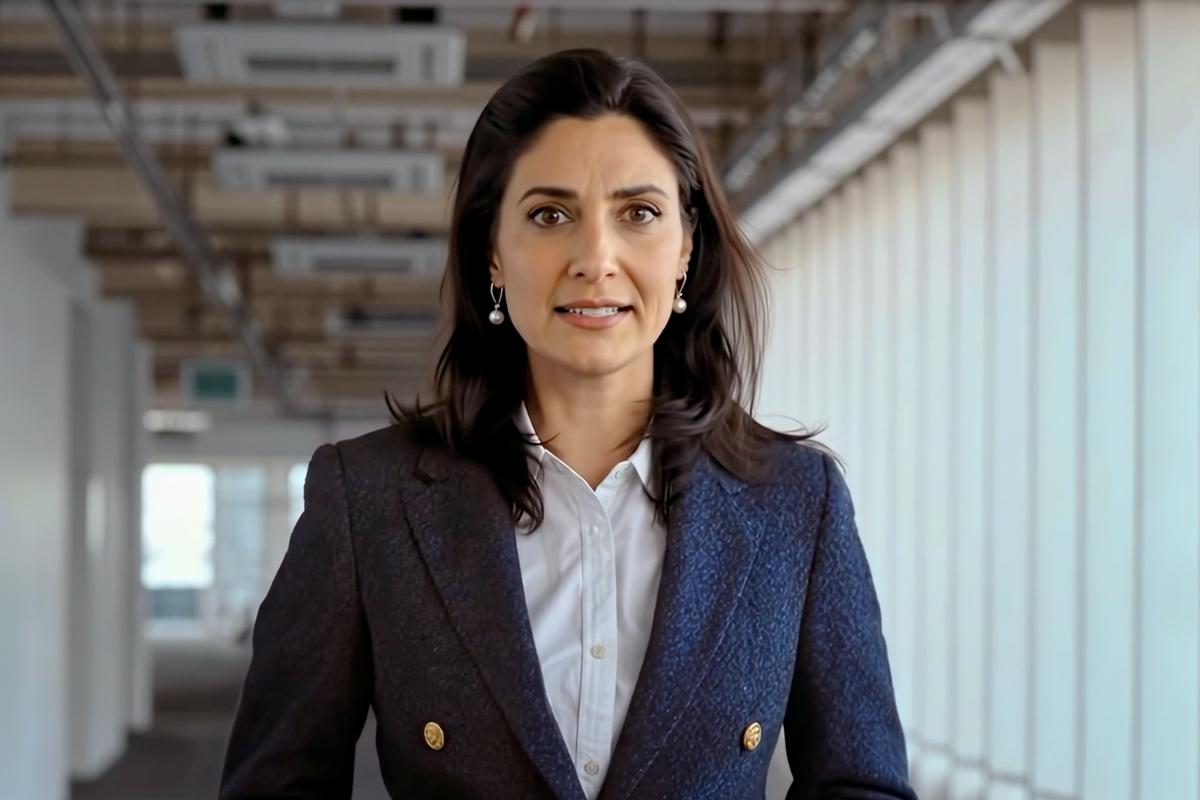
(Source: Channel 4)
At the end of the show, the presenter revealed that she was not real and was actually an AI creation. “I don’t exist,” she said. “I was not there to report on this story. My images and audio were generated using AI.” Channel 4 said the program was aimed at reminding people of the power of AI and “how easy it is to deceive.” [trick] If there is no way to know if the video is real or not.
The Channel 4 show begins shortly after news of a new AI “actress” named Tilly Norwood. The makers of AI-generated characters say AI actors could save movie companies a lot of money. This announcement upset many people in the film industry.
Did you know…?
Currently, there is no perfect way to determine if a video was created by AI. Some companies even mark their videos as AI-generated. However, the marks can be erased. If you’re not sure whether you can trust the source of a video, it’s best to err on the side of caution until you can confirm the information another way.
Note: Starting in 2023, NewsForKids.net began testing the use of LLMs, including products from OpenAI, when collating information and producing early drafts of some articles. However, this article is 100% human-written from start to finish.