
opinion:
Innovative ideas and technology continue to drive success stories in healthcare.
As Ranking Member of the House Energy and Commerce Committee and Chairman of the Health Subcommittee, I regularly hear perspectives on medical advances that bring new hope to patients, families, and communities.
Telemedicine is one such technological advancement. By saving patients time, money, and peace of mind, many Americans enjoy more convenient and accessible care.
As the demand for convenience and access to healthcare increases, so too does the demand for new treatments and treatments.
The Health Subcommittee has supported policies that support the development of new types of treatments for rare diseases.
The Michaela Neylon Give Children a Chance Act, signed into law in February, strengthens the federal government’s efforts to review and approve treatments for rare diseases such as childhood cancer.
The ACT on ALS Reauthorization Act of 2026, which I reported from the Health Subcommittee, directs millions of dollars to research into ALS and other neurodegenerative diseases.
Above all, Congressional action like this to help America’s patients is a meaningful step toward strengthening the future of America’s health care landscape.
What else could bear fruit for our medical future?
I believe that much of healthcare’s success depends on unlocking the potential of artificial intelligence (AI) and machine learning (ML).
This Congress, I led a Health Subcommittee hearing to explore how America’s health care system can catch up to the speed of science through the application of AI and ML.
AI presents new opportunities to detect diseases earlier, develop improved medical guidance, and provide more precise care to patients. The sooner a patient receives treatment, the lower the risk of serious illness or death they face.
This approach not only prevents delays in treatment; It also helps prevent future cost increases that impact patients, government programs, and healthcare providers.
In addition to benefiting the healthcare system, enhanced early detection efforts will also reduce the burden on healthcare providers.
Advances in AI will make additional resources available.
Medical device companies analyze how their products can improve care. Insurance companies process claims to help patients receive more timely treatment. Physicians and medical professionals streamline their operations and complete necessary medical paperwork faster.
The recently passed Virginia budget reflects the growing momentum of AI in healthcare. The legislative blueprint directs the Department of Medical Assistance Services (DMAS) to enhance call center operations through the application of AI technology.
Even though we have the potential to achieve many positive health outcomes through AI, we must be mindful of the current challenges facing AI applications.
AI isn’t perfect. Fully embracing AI technology without appropriate guardrails would be an irresponsible policy and one based on fantasy.
Reality shows that realizing the full potential of AI in healthcare requires human oversight. Responsible management and active monitoring of AI tools is required, with a focus on safety. The human component of using these technologies ensures safer success and allows the patient-doctor relationship to truly flourish.
If a patient relies on an AI chatbot as a mental health resource, healthcare professionals should review the conversations.
When a patient’s treatment request is denied insurance coverage, a human must oversee the decision.
Congress has a moral obligation to ensure that these AI tools are used to ensure that they do not replace today’s clinical workforce.
Therefore, a balanced implementation of AI applications can reduce healthcare costs, save limited taxpayer money, and provide breakthrough treatments to American patients.
Taken together, AI promises a new wave of success stories. Human judgment preserves these stories until the next generation.
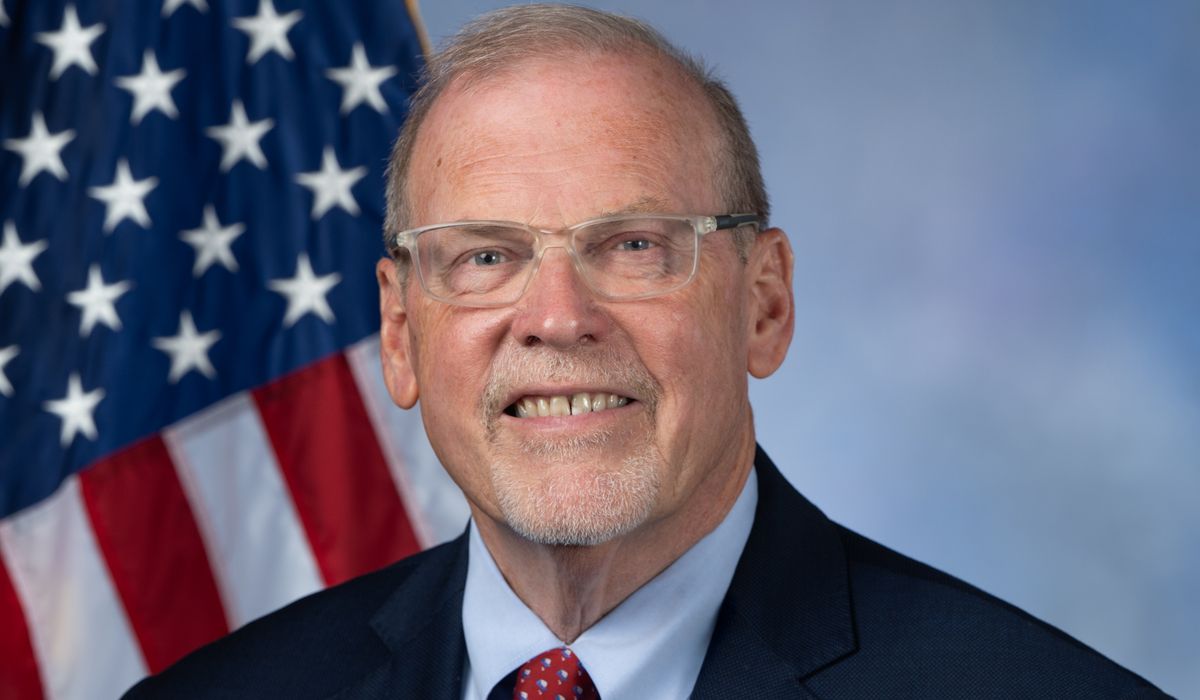
Representative Morgan Griffith represents Virginia’s 9th Congressional District and chairs the Health Subcommittee of the House Energy and Commerce Committee.


