

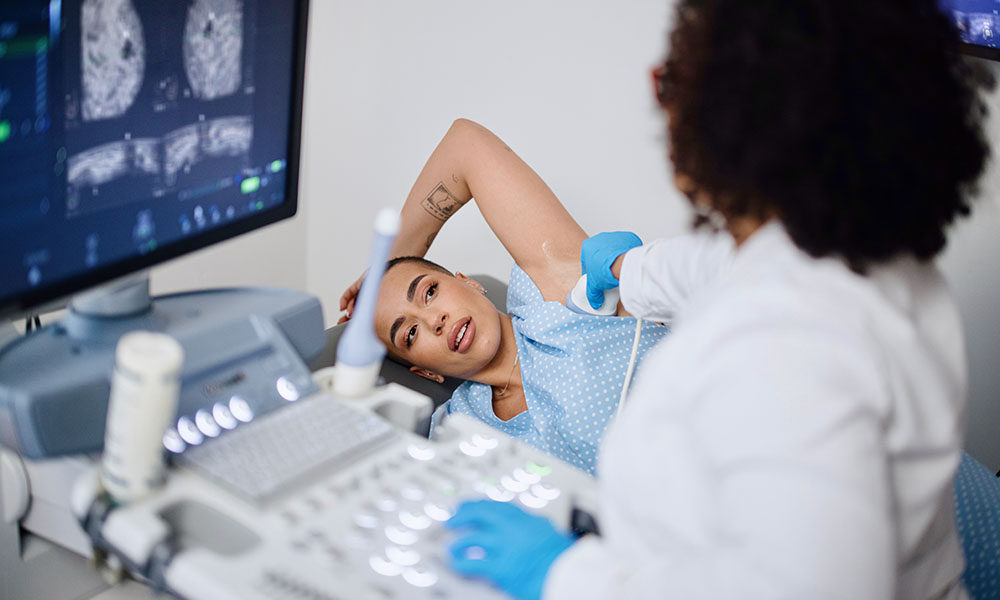
 Researchers in imaging sciences and electrical and computer engineering at the University of Rochester are partnering to develop machine learning ultrasound to detect malignant breast tissue. (Getty Images)
Initial results show 98% accuracy in predicting malignant tissue.
Mammography is the gold standard for breast cancer diagnosis, but it is not reliably accurate in all cases, especially in people with dense breasts. At the University of Rochester, Avice O’Connell ’77M (Res), Professor of Imaging Sciences at the Medical Center, and Kevin Parker, Professor of Electrical and Computer Engineering at the Hajim School of Engineering & Applied Sciences, want to do a better job. I was thinking Together with Ji-hye Baek, a PhD student in electrical and computer engineering, they launched a research project incorporating ultrasound and machine learning of previously detected masses. The end result is nearly 98% accuracy in predicting breast cancer in these masses.
Mammography sensitivities vary from 40% to just over 90% for dense breast tissue. “90% sounds good, but more accuracy means more women can be helped,” he says.
The findings were published last November in the journal Machine Learning: Science and TechnologyParker’s team used a combination of ultrasound and feature-based machine learning techniques to detect breast cancer, adding a color overlay map to indicate the likelihood of malignancy.
mammography and breast ultrasound
Mammography and ultrasound are the two main methods of breast cancer diagnosis. Mammography relies on an X-ray system to take pictures of breast tissue. Breast ultrasound, as the name suggests, produces images (sonograms) of breast tissue from sound waves. A handheld wand called a transducer scans the breast with sound waves, and the resulting sound echoes create an image.
As the researchers point out in their paper, ultrasound is cheaper, more portable, and radiation-free than mammography, making it a desirable tool, especially in developing countries. However, currently ultrasound is only used as a complement to standard mammography. As O’Connell explains, an ultrasound will find many lumps in the breast, most of which are not cancer. “Mammography machines need new methods to reduce the number of false-positive biopsies,” she says.
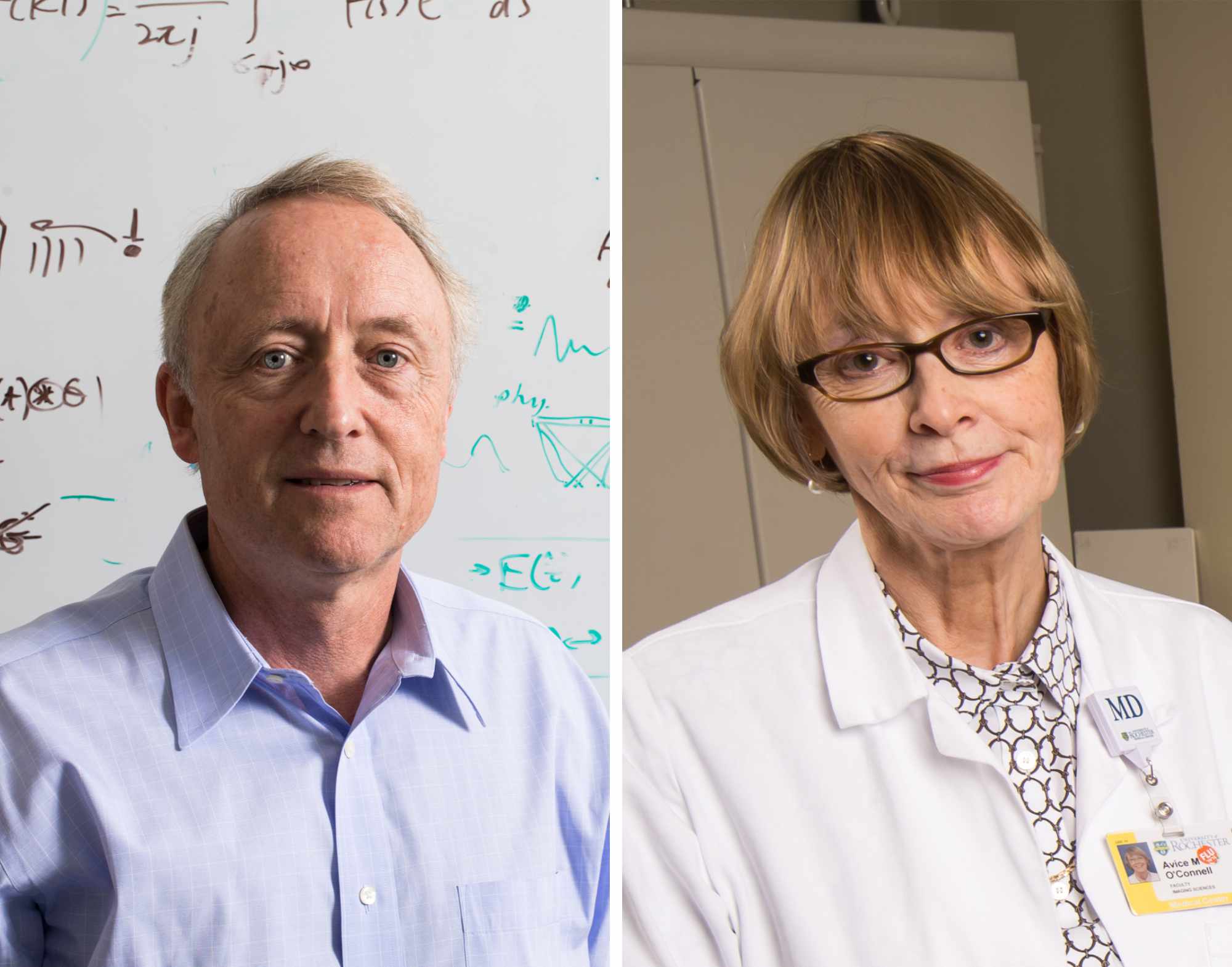
Interdisciplinary partnerships: Kevin Parker (left), professor of electrical and computer engineering, and Avis O’Connell, professor of imaging sciences, are working to improve breast cancer diagnosis.
Ultrasound outperforms mammography for imaging dense breast tissue
Improving breast cancer screening and diagnosis is an area of active local and national research. For example, at the Medical Center and its Wilmot Cancer Institute, his own 3D ultrasound system has been individually developed and evaluated for patient care.
Improved diagnostic ultrasound is especially important for women with dense fibroglandular tissue. According to the National Cancer Institute, this includes almost half of women over the age of 40 who get mammograms. “For them, mammogram sensitivity is about 50 percent for her,” she says Parker. “Using advanced ultrasound, we may be able to reach accuracies of the 90th percentile and beyond.”
Parker believes their system also has unique features that simplify the process. While some researchers have looked at the many features of the breast—some as many as 30—Rochester’s team focused on his five major biophysical features, including the distribution of cells, blood vessels, and proteins. is focused on
Machine Learning Ultrasound: A Promising New Way to Improve Diagnosis and Reduce False Positives
The team’s approach involves machine learning, a form of artificial intelligence (AI). From data entered by researchers, the computer develops algorithms to learn patterns and better recognize cancerous tissue. A new image generated by the algorithm shows the likelihood of malignancy within a lesion, with a color overlay of blue and green for benign tissue and red for likely malignant tissue. .
Parker and O’Connell are pleased with an accuracy of 98%, noting that this was achieved in just 121 scans of suspicious breast lesions from patients at the University of Rochester Medical Center.
“We plan to use much larger data sets in the next phase of our research,” says Parker.
Given the need for more data, it’s hard to say how quickly a framework for computer-assisted ultrasound can be put to practical use. Further studies with more patients are needed.”
But that’s how machine learning-based tasks work. Computers become “smarter” with more data, generating more accurate algorithms that translate into better diagnoses and, in the case of breast cancer screening, more lives saved.
Improving diagnostics in developing countries
Ultrasound is portable and cheaper than mammography, making it a desirable tool in developing countries. But it still requires an experienced sonographer.
In another research paper published in PLOS Digital Health, Tom Marini ’17M (MD), Clinical Instructor in the Department of Imaging Sciences at the Medical Center, Parker, O’Connell and coworkers discussed volume sweep imaging (VSI) and A type of ultrasound called ultrasound uses artificial intelligence to provide an automated, inexpensive diagnosis of breast masses. Because VSI does not require an experienced sonographer, we expect this approach to be effective in low- and middle-income countries where access to breast cancer diagnosis and care is difficult.
read more
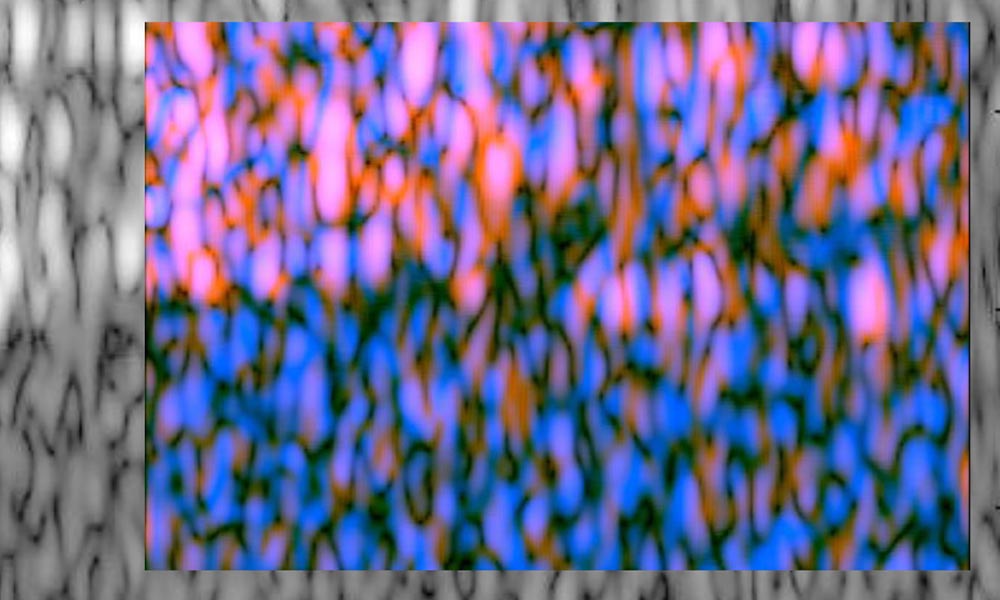 Breakthrough adds new colors to ultrasound.
Rochester Engineering Professor Kevin Parker has devised a method to distinguish fine details in medical ultrasound images that are now displayed as indistinguishable objects in shades of gray.
Category: Science and technology


