Visit almost any job site and ask some simple questions.
“What is the biggest supply chain risk you currently face?”
You’ll soon hear different answers.
One team points to inventory exposure. Another flag causes delays for suppliers. Some emphasize the volatility of demand.
None of them are wrong.
But none of them have the whole picture.
That’s the reality many global organizations face today. Critical operational insights exist everywhere, but rarely in one place, in real time, and in a format that enables immediate action.
What starts as a visibility problem quickly becomes a coordination challenge. And in a global company, accessibility becomes an issue.
Different regions interpret signals differently. Teams work from disconnected systems. Insights come too late. Language barriers further slow down decision-making.
The result is more than just operational friction. Execution is delayed at enterprise scale.
The real problem isn’t the data, it’s timing and accessibility
Most organizations already have vast amounts of operational data within their ERP systems, supplier platforms, inventory applications, transportation systems, forecasting tools, dashboards, reports, and more.
Individually, these systems perform well. Collectively, they often fail to answer the following questions that operational leaders most urgently need answered:
- What is important now?
- Why is it important?
- What action should I take next?
The problem isn’t a lack of data. The problem is that data, context, and decision-making cannot be integrated into a single operational experience.
In practice, this creates a well-known problem.
- Inventory issues surface after the impact occurs
- Supplier risk remains buried in disconnected workflows
- Demand signal does not match execution plan
- Teams spend more time interpreting reports than acting on them
And in a multinational environment, disagreements increase.
The same operation signal may be interpreted differently depending on region, function, and language.
This introduces delays where speed is most important.
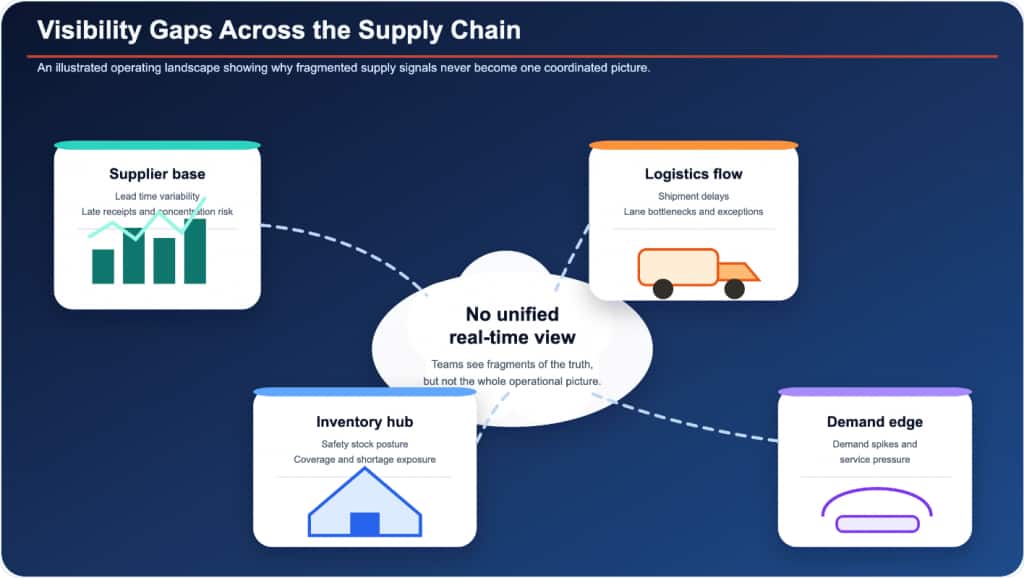
Figure 1. Disaggregated supply chain domain: Inventory, supplier risk, demand forecasting, and logistics operating independently without unified real-time visibility.
Instead of asking:
“How can we build better dashboards?”
I asked something more fundamental.
“What happens when dashboards are no longer the right operating model?”
What if the missing layer is not another reporting tool, but an intelligent operational interface that connects:
- data
- context
- decision
- and act
…in real time?
What if users could interact conversationally with production systems?
What if you could naturally ask questions in your own natural language using voice or text?
And what if you could build that experience quickly using existing company assets, rather than a multi-year transformation effort?
That became a thought experiment.
We have introduced strict restrictions.
- No new data warehouse required
- No large engineering programs
- No long deployment cycles required
Build a working AI supply chain tower in less than 8 hours using existing Oracle E-Business Suite data, SQL views, lightweight APIs, AI-assisted development tools, and Oracle Cloud Infrastructure (OCI) native services.
Not slide decks, mockups, or concept demos, but fully functional operational systems.
It completely changes the conversation.
When enterprise-grade systems can be assembled so quickly, technology availability is no longer the limiting factor. It becomes the imagination of the organization.
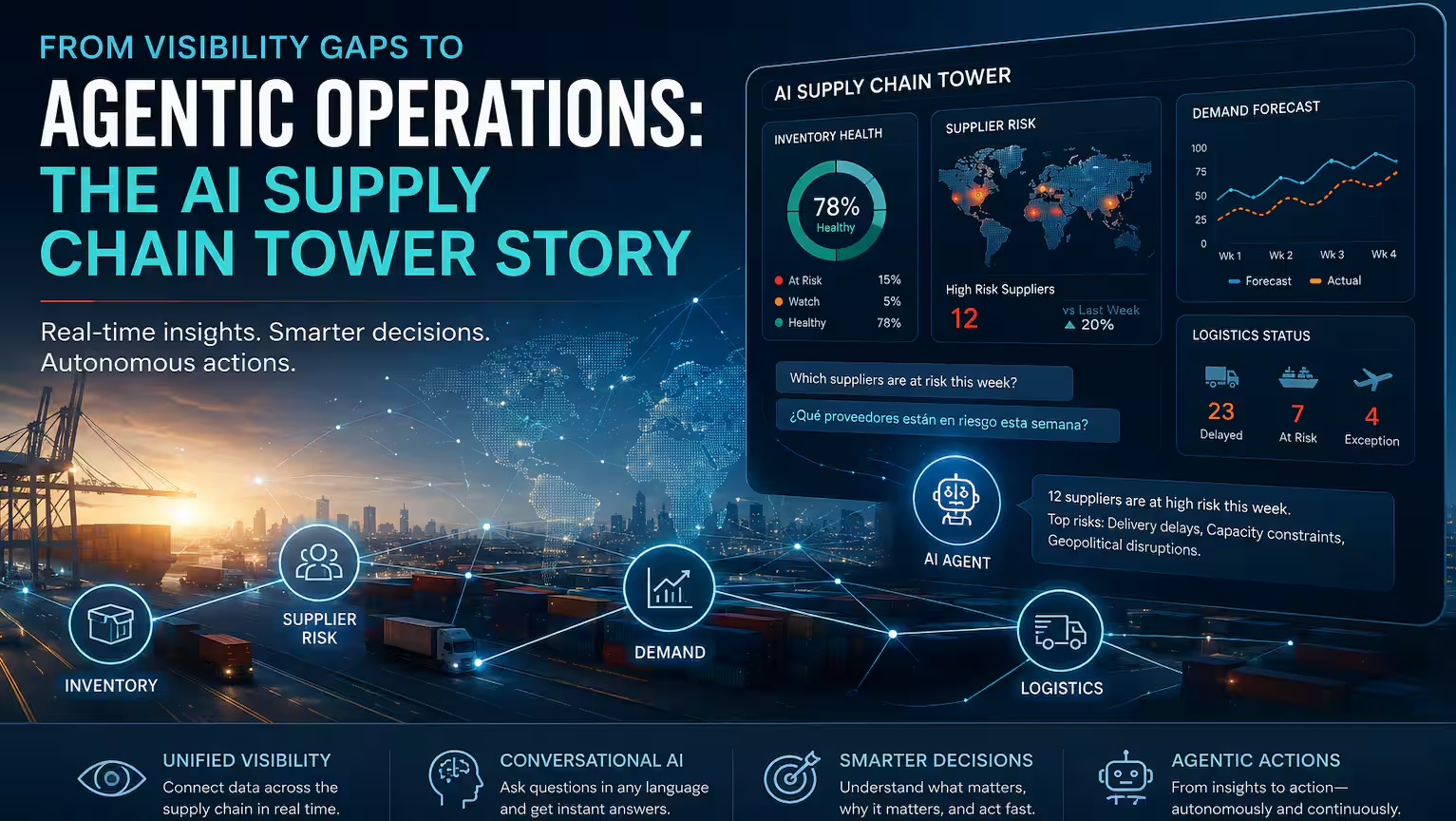
At first glance, this experience resembles a modern dashboard.
But under the hood it works completely differently.
The platform continuously surfaces operational signals, understands relationships between data points, and allows users to interact using natural language.
Users can ask:
“Which suppliers are at risk this week?”
or:
“Do you certify Esta Semana?”
…and instantly receive SQL-based insights based on the same context.
There is no report export. There is no manual data stitching. No need to wait for an analyst’s interpretation.
The system responds in real time depending on the user’s language and operating context.
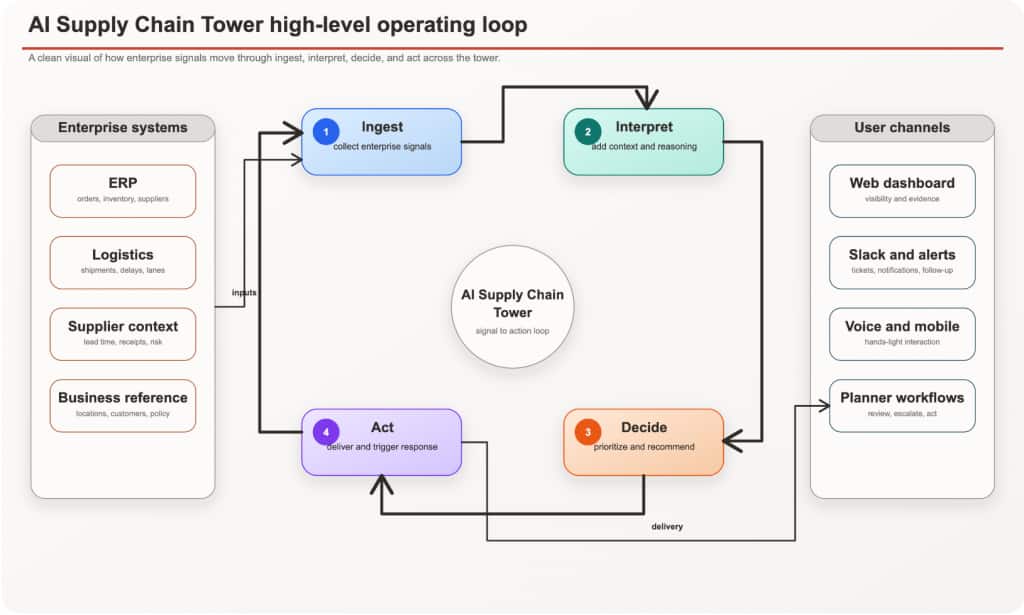
Figure 2. An intelligent operational loop that connects enterprise data ingestion, interpretation, decision support, and action execution.
Traditional enterprise systems primarily answer the following questions:
“What’s going on?”
The answer for agent-operated systems is:
“What is important now, why is it important, and what should happen next?”
The difference is important.
Instead of jumping between tools, escalating issues through layers of analysis, and waiting for reports to converge, users can:
- ask a question
- Understand the root cause
- Validate your inference
- and take action
…within a single workflow.
The operational experience becomes continuous rather than piecemeal.
Building such a system doesn’t necessarily require a large engineering organization.
AI-assisted development dramatically changes the speed at which enterprise solutions are delivered.
Using modern development frameworks, reusable APIs, orchestration layers, and what many now refer to as “vibe coding,” we put together solutions through rapid configuration rather than traditional heavy engineering cycles.
This is not about replacing developers. It’s about enabling teams to iterate faster, experiment safely, and go from idea to working prototype in hours instead of quarters.
That shift is important.
Because organizations that learn faster will increasingly outperform those that just plan longer.
Predictive AI models generate outputs, and agents act based on context. The difference is important.
Agents can:
- Interpret operational intent
- Connect between enterprise systems
- Dynamically select the right tool
- explain the reasoning
- adjust actions
- guide decision making
These move beyond analysis to operational realization.
This is especially valuable in global supply chains because it also allows agents to ensure consistency across languages, regions, and business functions.
The experience becomes more unified even though the underlying systems remain distributed.
Users interact conversationally rather than navigating through dashboards and menus.
Planners can ask:
“Why is this supplier flagged?”
The system responds as follows:
- contextual reasoning
- Operation signal support
- Underlying SQL logic
- Recommended next action
That transparency is important. Because trust in enterprise AI cannot be built through automation alone. It is constructed by explainability.
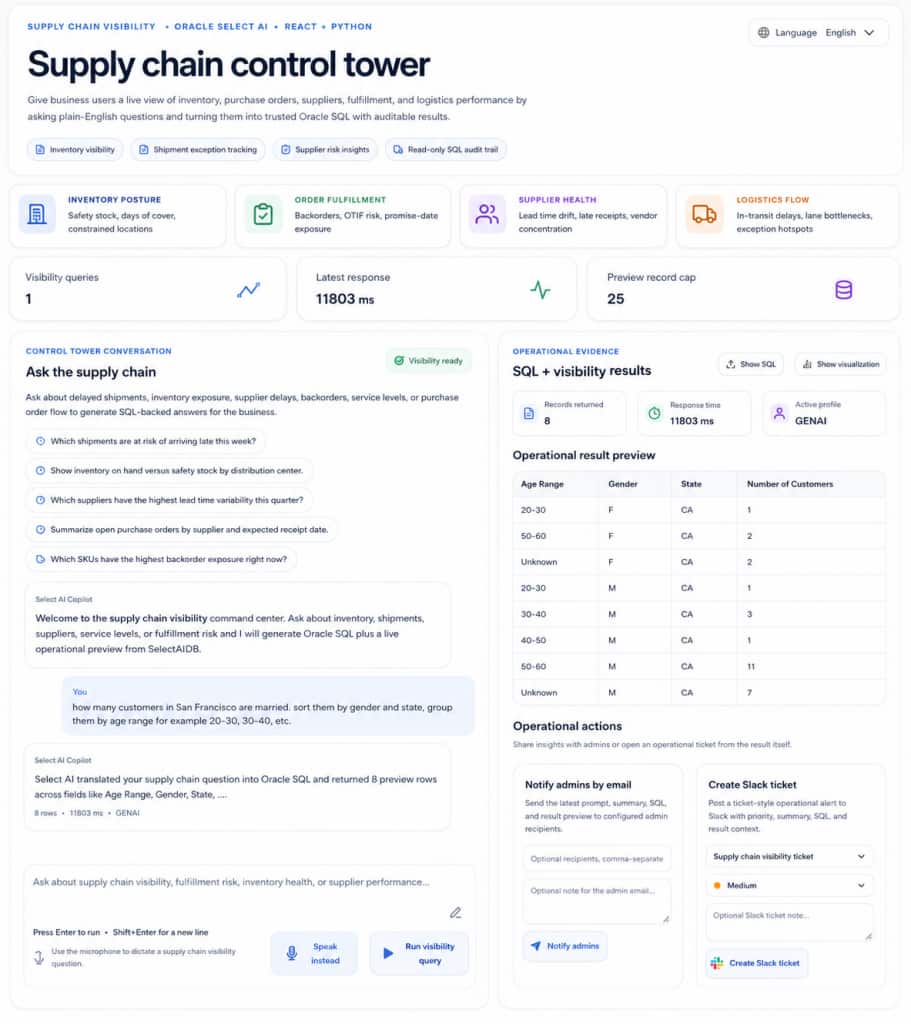
Figure 3. A conversational interface that transforms natural language requests into operational insights based on SQL.
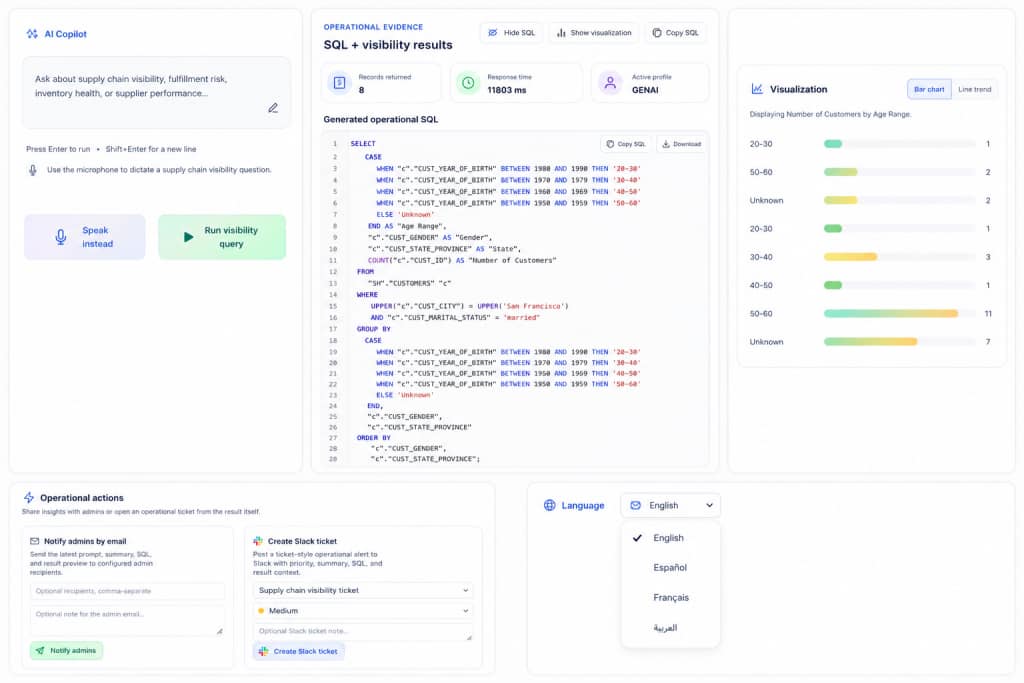
Figure 4: Highlight features that provide a better user experience
Trust comes from transparency
One of the biggest barriers to enterprise AI adoption is trust.
Users should understand:
- Where insight is born
- How was the conclusion reached?
- Whether the recommendations are based on actual operational data
That’s why all insights in the AI Supply Chain Tower are traceable.
Users can inspect:
- source data
- Generated SQL
- support logic
- and inference path
The system does more than just provide answers.
It exposes the operational evidence behind them.
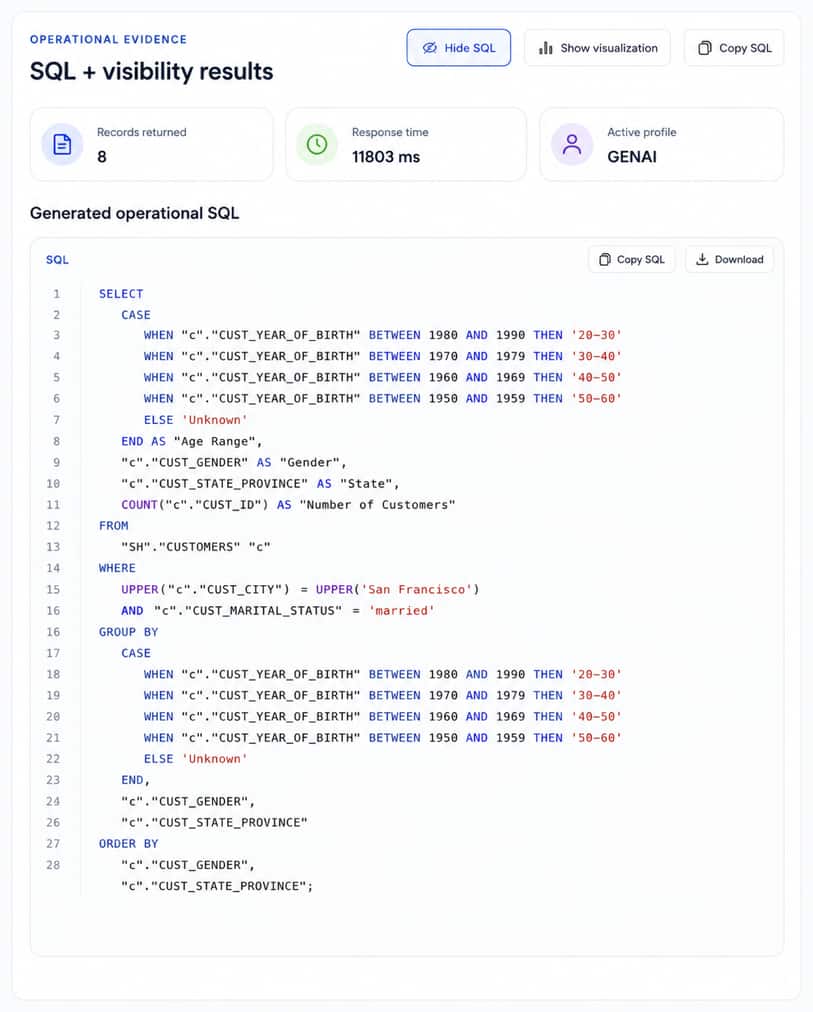
Figure 5. Traceable SQL and data lineage to support explainable operational intelligence.
This architecture is intentionally lightweight.
- SQL views provide real-time enterprise data access
- Node.js handles the business orchestration logic
- React enhances user experience
- MCP and SSE enable real-time connectivity
- Private Agent Factory manages agent behavior and policy enforcement
- OCI provides a unified infrastructure foundation
The design philosophy was simple. “Reduce complexity, minimize data movement, maintain real-time responsiveness, and maintain enterprise governance.”
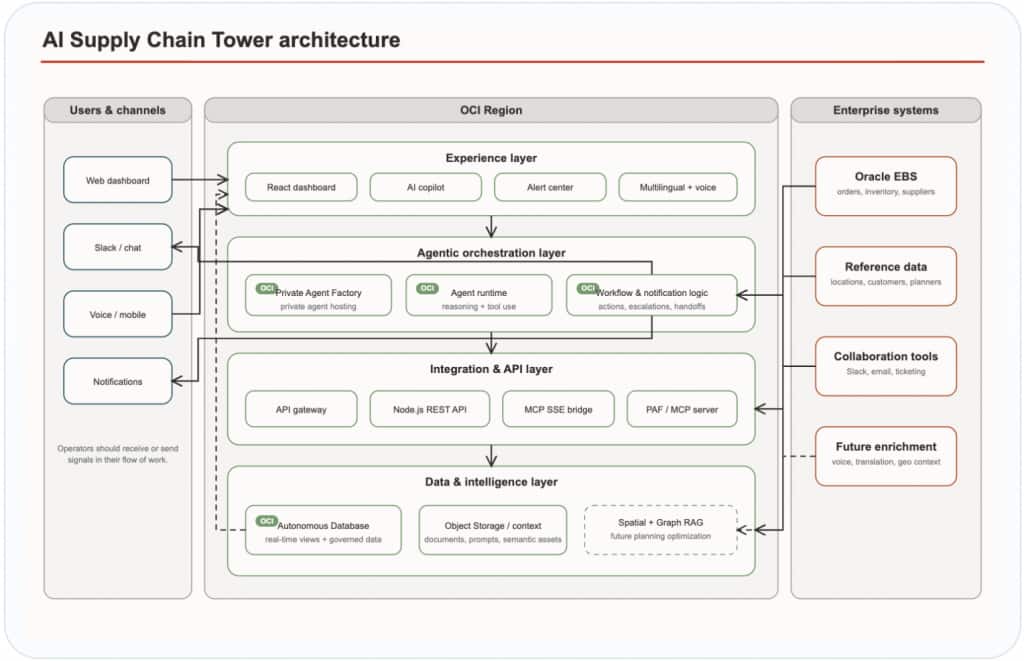
Figure 6. An OCI-based architecture that connects enterprise data, APIs, agents, and conversational user experiences.
At this point, most organizations ask:
“Can we build this somewhere?”
Technically yes.
But the challenge isn’t assembling individual components. The challenge is to make them work together as a managed, scalable, enterprise-grade system. This is where OCI becomes strategically important. OCI reduces architectural friction through a unified data and AI platform. Autonomous Database allows relational, JSON, graph, and analytical workloads to coexist in a unified environment.
This reduces:
- Duplicate data
- Unnecessary ETL moves
- integration overhead
- and operation delay
With OCI Generative AI services and native SQL integration, you can directly translate natural language into explainable operational queries.
Private Agent Factory introduces governance, traceability, and policy control over agent behavior.
The platform is also designed for hybrid and multicloud deployment models, allowing organizations to scale intelligently without rebuilding their underlying architecture.
The benefits go beyond infrastructure. It’s architectural unity.
The AI supply chain tower was built in less than eight hours, not because we cut corners, but because the platform reduced friction at every layer.
- The data was already where I needed it
- Natively integrated AI services
- Built-in governance functionality
- Real-time performance worked immediately
- Infrastructure provisioning simplified
OCI became a natural result of rapid iteration, rather than a specialized effort. And it fundamentally changes what enterprise teams can realistically prototype, test, and operate.
Your organization doesn’t need any more dashboards. You need operational systems that unify enterprise data, understand context, explain reasoning, and empower people to take immediate action across teams, geographies, and languages.
The technology to achieve this already exists. What is changing now is how quickly organizations choose to operationalize it. The future of supply chain operations is not about static visibility. This is intelligent and explainable agent execution. And that future may arrive much sooner than most organizations expect.