
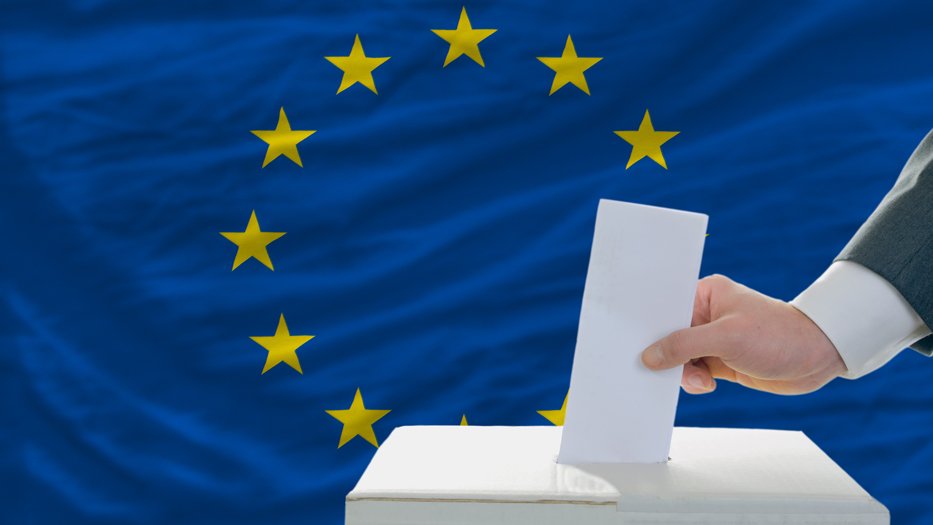
Brussels | European Parliament (EU) lawmakers on Wednesday backed a proposal to ban AI apps that generate unauthorized sexual images and deepfakes. The proposal is part of ongoing efforts to reform European AI law and is expected to be voted on in Parliament on March 26th.
The proposal aims not only to strengthen technical oversight, but also to regulate the social and ethical impact of AI applications. Lawmakers emphasized that protecting public safety and privacy must remain a priority. The move reflects recent EU-wide measures to curb child sexual abuse content, establishing clear controls over AI-generated sexual content.
Parliament’s chief negotiator, Michael McNamara, said: “This ban is consistent with the public’s expectations. Regulation of stripping apps is an urgent need of our time. The vote will reveal the extent of consensus behind this proposal.”
FCRF launches Premier CISO certification as demand for cybersecurity leadership grows
Recent controversies such as Elon Musk’s xAI chatbot Grok’s production of sexual content on X and intimate deepfakes have sparked regulatory scrutiny across Europe and Asia. These incidents have highlighted the social and ethical risks posed by uncontrolled AI applications.
Lawmakers also supported delaying some rules on high-risk AI systems until Dec. 2 next year, saying the standards may not be finalized by Aug. 2, potentially creating uncertainty for companies. EU member states supported this delay to ensure practical and clear implementation of the regulation.
Experts noted that the gradual implementation of the AI Law will ensure transparency and accountability. First, risk assessment and control standards are established, followed by increased monitoring of high-risk applications. This approach aims to prevent abuse, privacy violations, and broader societal harm.
Legal analysts said the proposal offers the EU an opportunity to set a global ethical example in technology governance. It also requires companies and AI developers to maintain accountability for their services.
After the parliamentary vote, MPs and EU governments will need to negotiate and reach an agreement on the amendments. The aim is to make AI laws effective and practical, while maintaining a balance between technological innovation and public safety.
Cybersecurity experts have warned that the lack of effective controls over uncontrolled AI applications could increase social and legal problems. This proposal sends a strong signal that the EU prioritizes the security, privacy, and ethics of AI.
This measure not only ensures the protection of citizens, but also sends a clear message about the responsible and ethical use of AI technologies in Europe. Detailed discussions will be held in the coming months with EU governments and the technology industry to strengthen AI law enforcement and compliance.



