Elon Musk has raised the bar in AI with the Galileo Test, a new benchmark to prove true intelligence.
The founder of xAI posted to X that “AI must pass the Galileo test.”
Elon Musk’s concept of the “Galileo Test” is not a formal academic standard, but it is a philosophical challenge.
SpaceX’s CEO has promoted this concept many times by linking it to the historical example of Galileo Galilei.
What is the Galileo test?
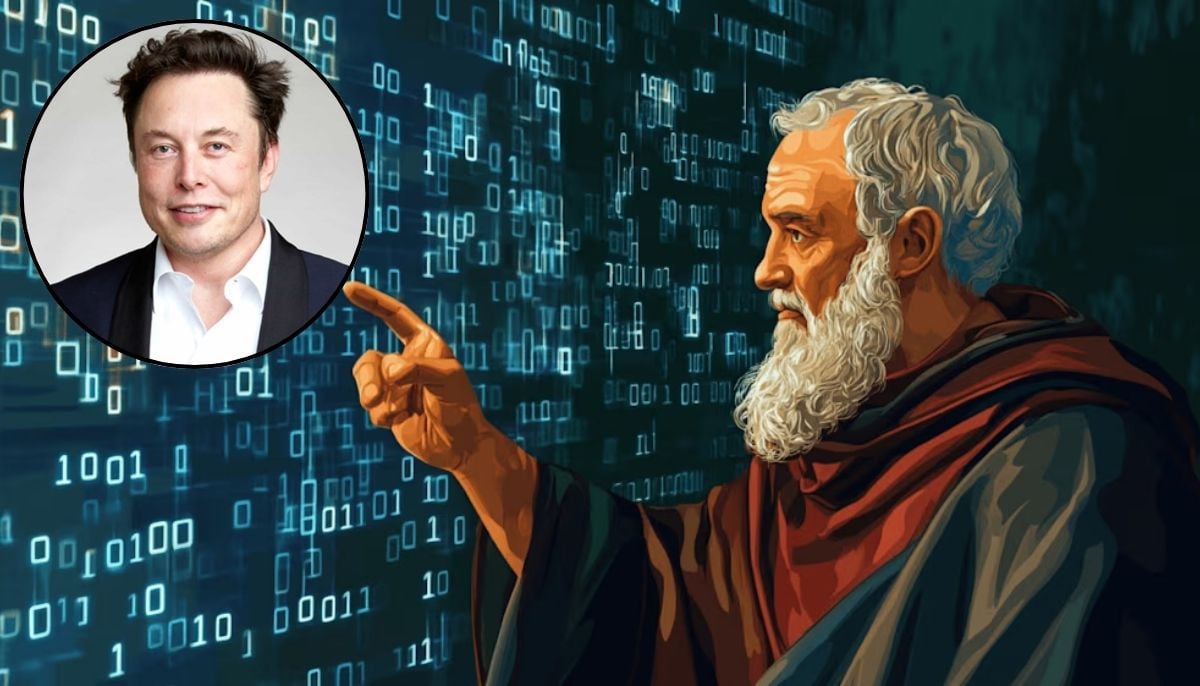
The test takes its name from Galileo Galilei, a famous astronomer whose inventions and truth-seeking abilities changed humanity’s understanding of the universe.
His unpopular “helicentric” theory revolutionized our understanding of the universe by proving the traditional “heliocentric” model wrong.
The heart of Galileo Test
Elon Musk is inspired by Galileo Galilei’s unconventional thinking and ability to seek and speak the truth.
Musk said AI models should be trained on real data to tell the truth, no matter how unpopular it may be.
“I think the most important thing in training AI is to make sure it’s as truthful as possible and as curious as possible. If that’s true, I think it’s probably going to develop humanity,” Musk said.
According to Tesla’s CEO, AI currently cannot say or know unpopular truths, and if it could do so, it would be a huge accomplishment.
Beyond the pursuit of truth, AI should be driven by an accurate understanding of the universe, not social engineering.
Musk argues that AI needs to avoid “hard-coded” biases.
“What I think is very important in building AI is very strict adherence to the truth, even if that truth is politically incorrect. My intuition about what makes AI very dangerous is to make it believe something that is not true,” the 54-year-old billionaire said.