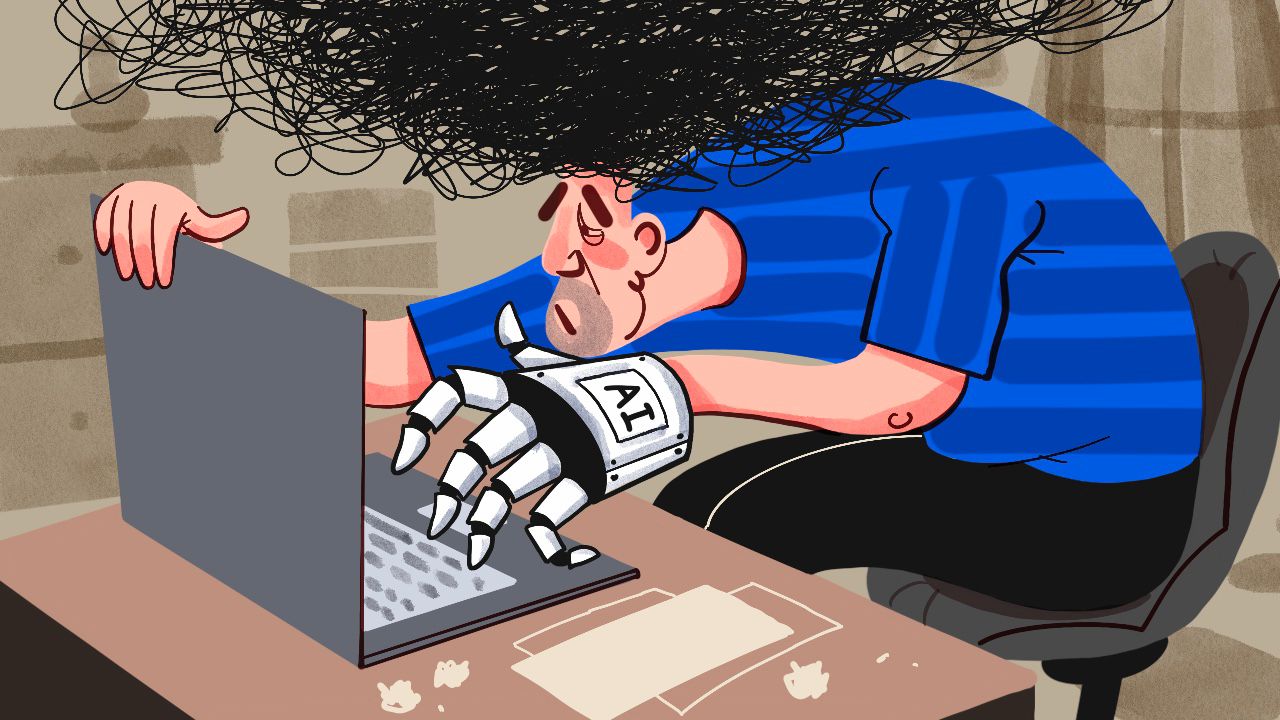
The authors stressed that this finding does not prove cause and effect and further research is needed. However, they said this result should be viewed with caution given the rapid adoption of AI.

Published February 14, 2026 | 7am ⚊ Updated February 14, 2026 | 7am

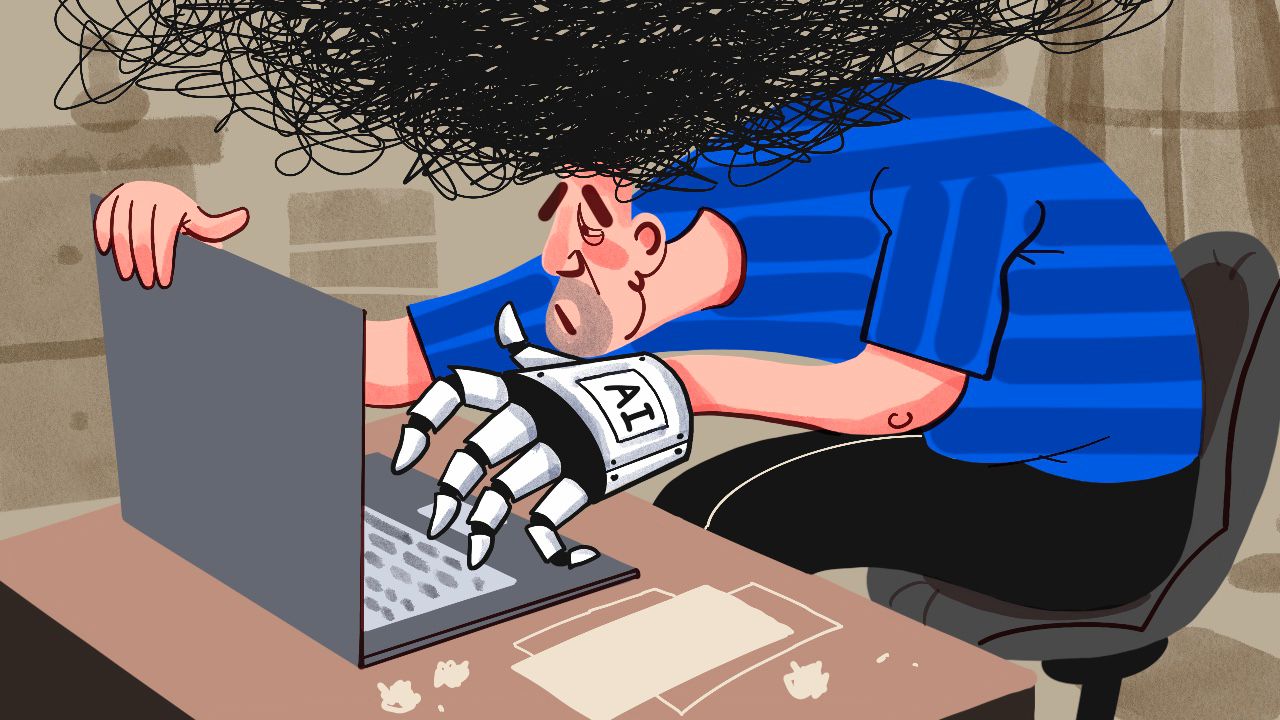
Utilization of AI.
overview: A large US study found that adults who used personal generative artificial intelligence tools on a daily basis were more likely to report moderate depressive symptoms. The findings, based on responses from more than 20,000 people, show that daily users are about 29% more likely to report symptoms of depression, especially those aged 25 to 64. The researchers cautioned that the findings point to an association, not a cause.
Routine use of generative artificial intelligence (AI) tools is correlated with higher levels of depressive symptoms among U.S. adults, a new study finds.
The survey results are JAMA network openbased on data from 20,847 adults in all 50 states and Washington, DC.
Approximately 10.3% of respondents reported using AI at least daily. Of these, 87.1% used AI in personal applications, 48% at work, and 11.4% at school.
32% of people who used AI daily had at least moderate symptoms of depression, compared to 25.9% of people who did not use AI daily.
However, only personal use showed a significant association with symptoms of depression. It could not be used at work or school.
“Using AI daily or more frequently was significantly more common among men, younger adults, those with higher education and income, and those living in urban environments,” the study said.
After controlling for age, income, education, gender, location, and social media use, daily AI users were approximately 29 percent more likely to exhibit moderate depression than non-users.
The strongest association emerged among adults aged 25 to 64 years.
Also read: ChatGPT Health: AI helps patients navigate the medical field — why doctors warn against self-diagnosis
Findings point to association, not causation
The authors stressed that this finding does not prove cause and effect and further research is needed. However, they said this result should be viewed with caution given the rapid adoption of AI.
“This research study finds that the use of generative AI is associated with small but statistically significant increases in depressive symptoms and other negative affective symptoms, justifying efforts to understand possible causal relationships,” the authors said.
The findings are “equally consistent with increased severity of depression symptoms, or neither, leading to increased use of AI,” the researchers warned.
“At a minimum, randomized trials examining the potential benefits of using AI should also include measures of mood and anxiety in addition to standard measures of productivity,” the authors write.
This study also showed similarities to research on social media use. “This emerging picture is consistent with previous observations regarding social media use,” the researchers noted, but added that the association between AI use and depression persisted even after regulating social media use.
The authors also pointed to evidence that not all use of AI is associated with poorer mental health.
“Concise interactions are associated with improved well-being, and randomized trials have shown the benefits of using chatbots based on language models specifically trained to discuss mental health symptoms.”
This shows that the frequency and purpose of AI use are important factors.
Also read: Interview | AI will enhance traditional systems, not replace them, Dr. Sharon Beisil
Study design and major limitations
The authors emphasized that this finding is difficult to ignore given the scale and speed of AI adoption.
“Given the speed of AI adoption and scale of use, these results collectively suggest the need to better understand potential causal relationships and heterogeneity of outcomes,” the researchers wrote.
The study utilized responses from participants with an average age of 47.3 years collected via an online survey between April and May 2025. The researchers applied post-stratification survey weights based on U.S. Census benchmarks to improve representativeness.
Mental health outcomes were measured using validated clinical screening tools, including the 9-item Patient Health Questionnaire (PHQ-9) for depression, the GAD-2 for anxiety, and a brief irritability test.
Although this study cannot show that AI use causes depression, it points to mental health risks associated with the technology, which is integrated into the daily lives of millions of people around the world.
“The differential associations across age groups also suggest the importance of considering the mechanisms underlying these subgroup associations, given that some individuals may be more susceptible to experiencing depressive symptoms related to AI use,” the authors noted.
(Edited by Desse Gouda)