Hollywood’s biggest power brokers are lining up against Seedance 2.0, ByteDance’s new text-to-video generator that can produce photorealistic clips from short prompts. Studios, unions and industry groups say the tools have already allowed rampant misuse of actors’ likenesses and blockbuster intellectual property, intensifying legal and ethical battles that have been simmering even before AI’s recent breakthroughs.
Industry backlash intensifies over Seedance 2.0 rollout
According to a report in the Wall Street Journal, ByteDance plans to roll out SeaDance 2.0 to Jianying Editor users in China and bring the model to CapCut worldwide. Early social media posts featured 15-second clips imitating A-list actors and iconic franchises, prompting immediate condemnation from Hollywood groups and rights holders.
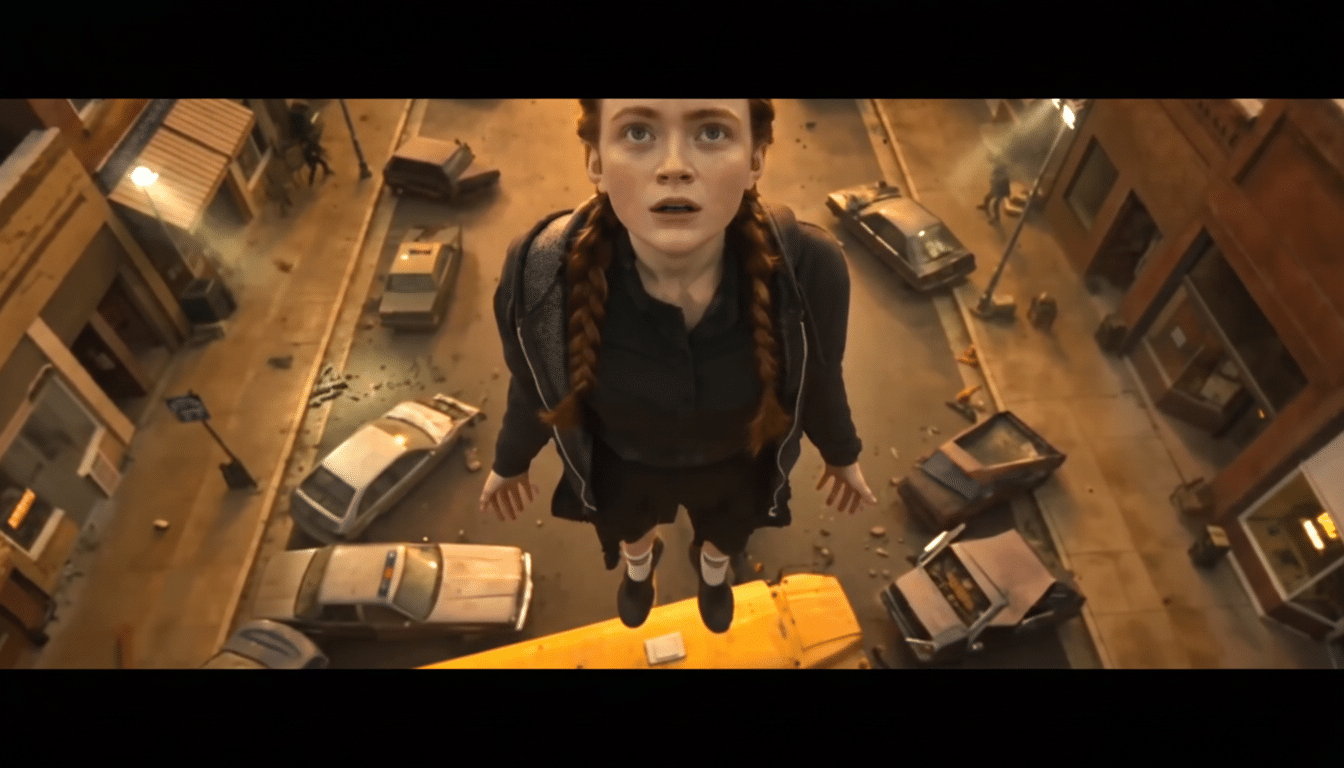
The Motion Picture Association accused Seadance 2.0 of failing to prevent unauthorized use of copyrighted works, calling the product a direct threat to creators and the millions of jobs the film industry supports. The Human Artistry Campaign, backed by trade unions and guilds, warned that unrestricted generative video tools risk turning creative labor and identity into unauthorized raw material. SAG-AFTRA expressed support for the studio’s action, citing growing concerns among performers about the use of digital replicas and unauthorized portraits.
According to Axios, Disney issued a cease-and-desist letter to SeaDance, alleging that characters such as Spider-Man, Darth Vader, and Grogu appeared in the film without permission. Variety reports that Paramount has sent a similar request, claiming that some of SeaDance’s results are indistinguishable from the studio’s film and television properties. ByteDance has not released detailed guardrails or full disclosure of training data for Seedance 2.0.
What Seedance 2.0 does and why it’s alarming studios
Similar to OpenAI’s Sora demo, Seedance 2.0 can transform short text prompts into short, cinematic sequences, including consistent camera movement, plausible lighting, and stylistic flourishes that mirror the familiar series. Although clips are currently limited to 15 seconds in length, their fidelity is high enough that even fragments can evoke protected characters, costumes, and set pieces. As a result, this model attracts both attention and litigation.
Industry veterans say the power-to-friction ratio is the new shock. Teaser level content now has two lines of text replacing the entire visual effects workflow. Without robust IP filters, celebrity-like detection and provenance markings, studios fear Seadance will perpetuate a gray market for “quasi-official” content, eating away at licensing revenue and confusing viewers.
Legal Interests: Copyright and Portrait Rights
There are two collision points. First, the output. If a model produces footage that reproduces a protected character or unique production design, the rights holder may claim direct or contributory infringement. Second, Input: If training relies on copyrighted videos without permission, litigation may test whether such use constitutes fair use or requires a license. This issue is being actively considered by the U.S. Copyright Office in its ongoing AI policy work.
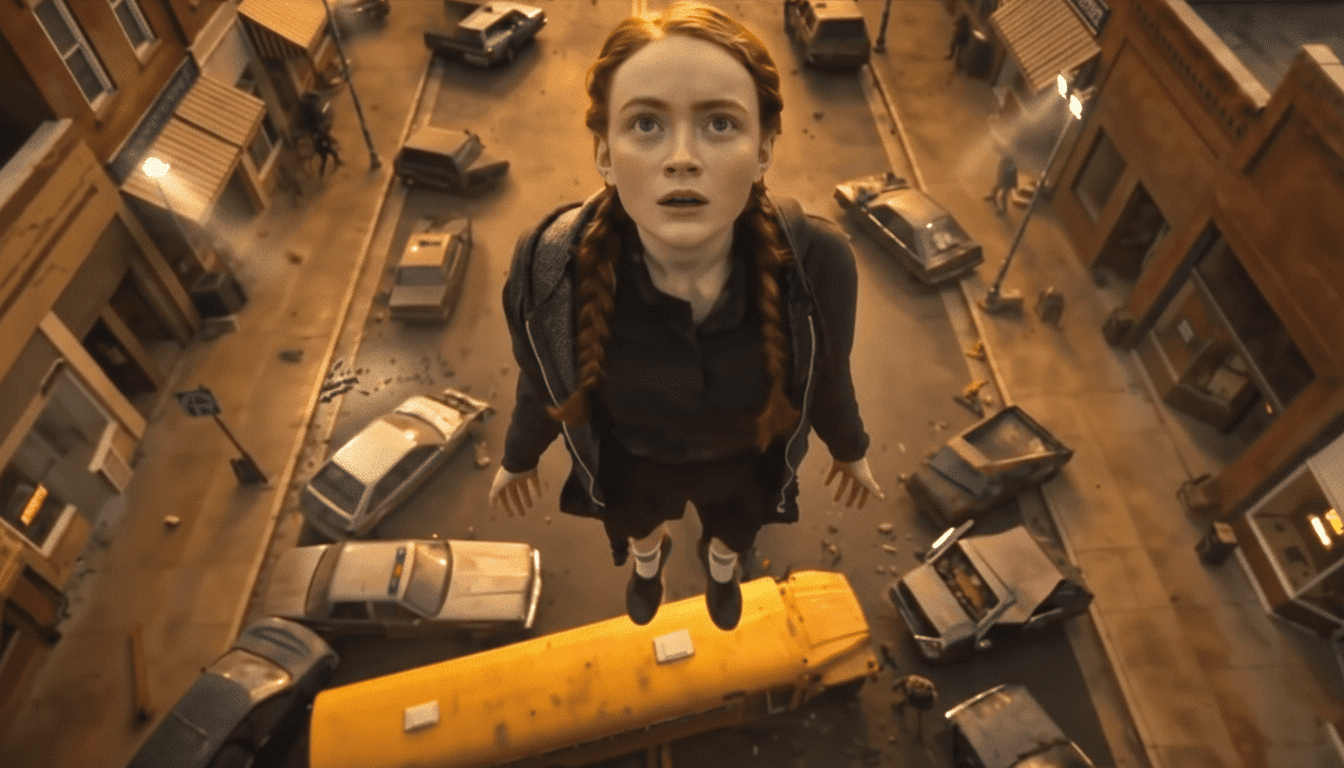
Moral rights add pressure. States like California and New York have granted strong protections for names, images and likenesses, and the bipartisan NO FAKES Act has been proposed in Congress that would create national rules for AI-generated replicas. In the EU, AI legislation will promote platform transparency and opt-out regimes for copyrighted training data. China’s deep synthesis rules already require watermarking and consent for certain similar uses, a standard that could be relevant to ByteDance’s domestic operations.
The studio points to increasing scale to highlight the risks. CapCut is one of the most installed editing apps worldwide, according to third-party app intelligence companies, meaning Seedance’s integration could rapidly push unlicensed content across social platforms. While the MPA regularly notes that film and television support millions of American jobs, studies cited by policymakers estimate that digital piracy drains tens of billions of dollars a year, a context that Hollywood is sure to bring to court if negotiations stall.
Future Directions: Seadance Licensing or Litigation
There is precedent for détente. Disney has reportedly challenged multiple AI providers over the use of their IP, despite having licensing agreements in place with select partners. Such agreements allow for attribution through carefully selected legal style packs, watermarks, and standards such as C2PA. Platform math is tough. Rapid adoption drives growth, while rights-respecting pipelines enable brand-safe monetization and reduce existential regulatory risk.
Public sentiment may prompt compromise. Pew Research Center found that a majority of Americans feel more anxious than excited about the impact of AI, and high-profile deepfakes have already shaken trust in the media. Studios and unions will use this background to advocate for consent-first reproduction and machine-readable proof of origin for all AI videos.
What to watch next as Seedance 2.0 faces increased scrutiny
Currently, all eyes are on whether ByteDance will strengthen SeaDance’s filters before expanding globally. Think blocklists for protected characters, stricter celebrity-like detection, watermarking, and removal appeal processes. As rights disputes intensify, app stores and social platforms may also consider their enforcement policies.
The bigger story is not just legal, but strategic. As generative video races toward consumer scale, the winners will be those that combine technical capabilities with reliable rights handling. Seedance 2.0 shows how fast the frontier is moving. Hollywood’s backlash shows how costly it is to go beyond that without consent.