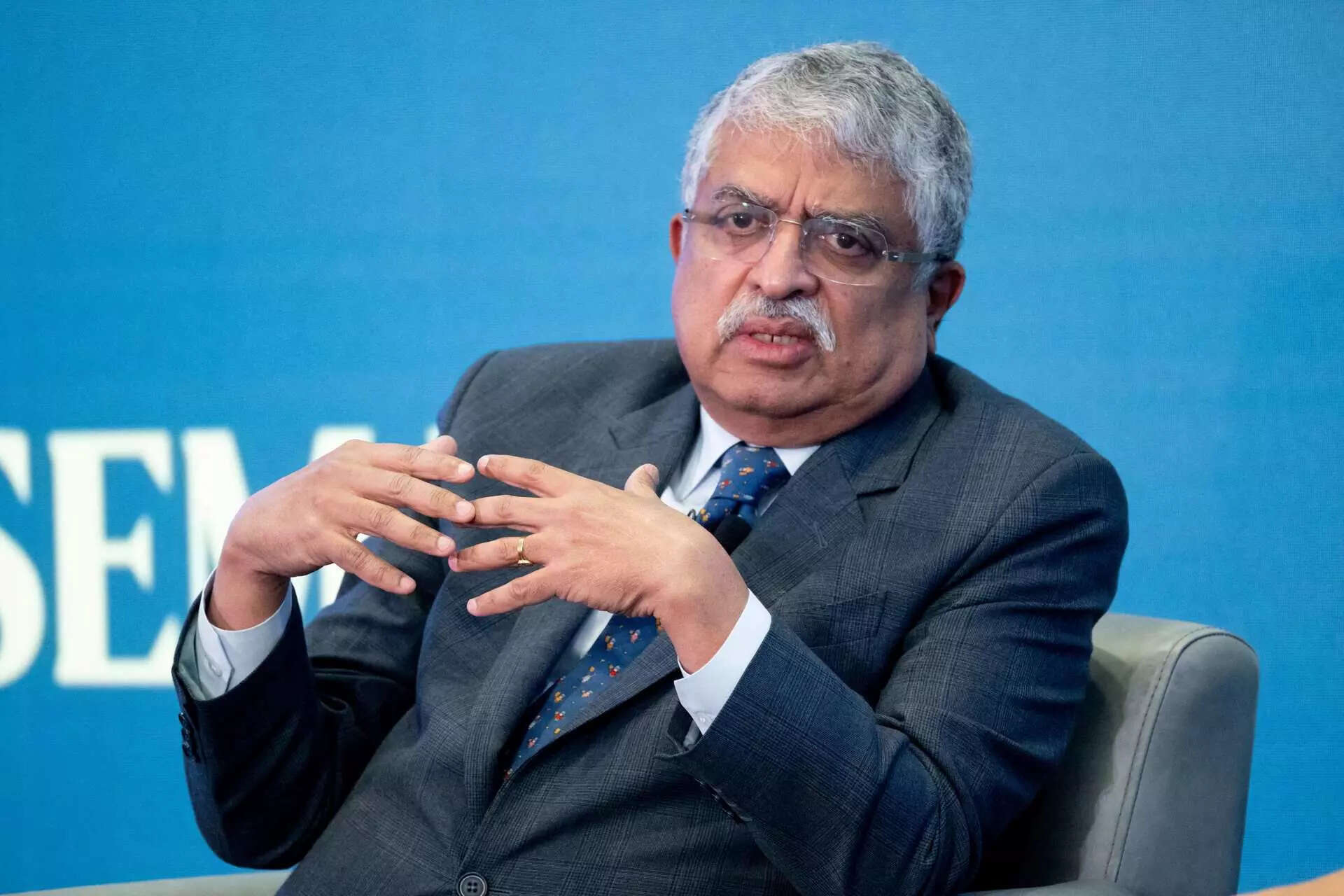
 Infosys Chairman Nilekani stressed the importance of “future-proofing” AI infrastructure.
To keep up with rapidly evolving technology, companies need to “future-proof” their AI infrastructure and avoid getting bogged down in outdated technology, Infosys Chairman Nandan Nilekani said. As countries around the world regulate artificial intelligence (AI), companies need to develop applications to comply with various regulations, he wrote in Infosys' annual report.
“Given the dizzying pace at which the technology leaderboard changes, enterprises need to 'future-proof' their AI infrastructure with appropriate abstractions so they can easily switch models and avoid getting stuck in technological dead ends,” Nilekani said.
He further said companies need both AI foundries for experimentation and AI factories for scale.
“AI architecture must facilitate a combined approach of left-brain analytical thinking and right-brain intuitive approaches. Resource constraints will necessitate a transparent way to identify the highest value AI use cases,” he said.
Nilekani said clarity is beginning to emerge from the confusion and noise of the past 18 months and the gloomy period for the GenAI revolution is over.
“Although there was initial AI doomsaying, raising the risk of human extinction due to advances in AI such as artificial general intelligence (AGI), things have calmed down. AI has great potential, if explored and advanced within the guardrails of responsibility.”
“Many of the doomsayers calling for broad AI regulation have proven to be protectionists who simply want to limit the benefits of generational AI to a few companies and investors,” he said.
Nilekani said there would be no scenario where there is “one model to rule them all.”
The real power of AI comes from configuring all the different models and tools to get the best solution, he said.
“This is not all that different from previous generations of technology. Moreover, the rise of powerful open source AI models is accelerating the adoption of AI to solve tough business and societal challenges.”
“There may be concentration risk in the hardware and cloud infrastructure space, but as we move into real use cases, a thousand flowers will bloom,” he said.
He said the gains from automation should lead to a redeployment of talent to new areas with new opportunities.
“Whether it's building an AI-first enterprise or accelerating today's massive talent augmentation, we must learn from applying AI to ourselves,” he said.
Change must be embraced, not resisted, he added.