What’s the story?
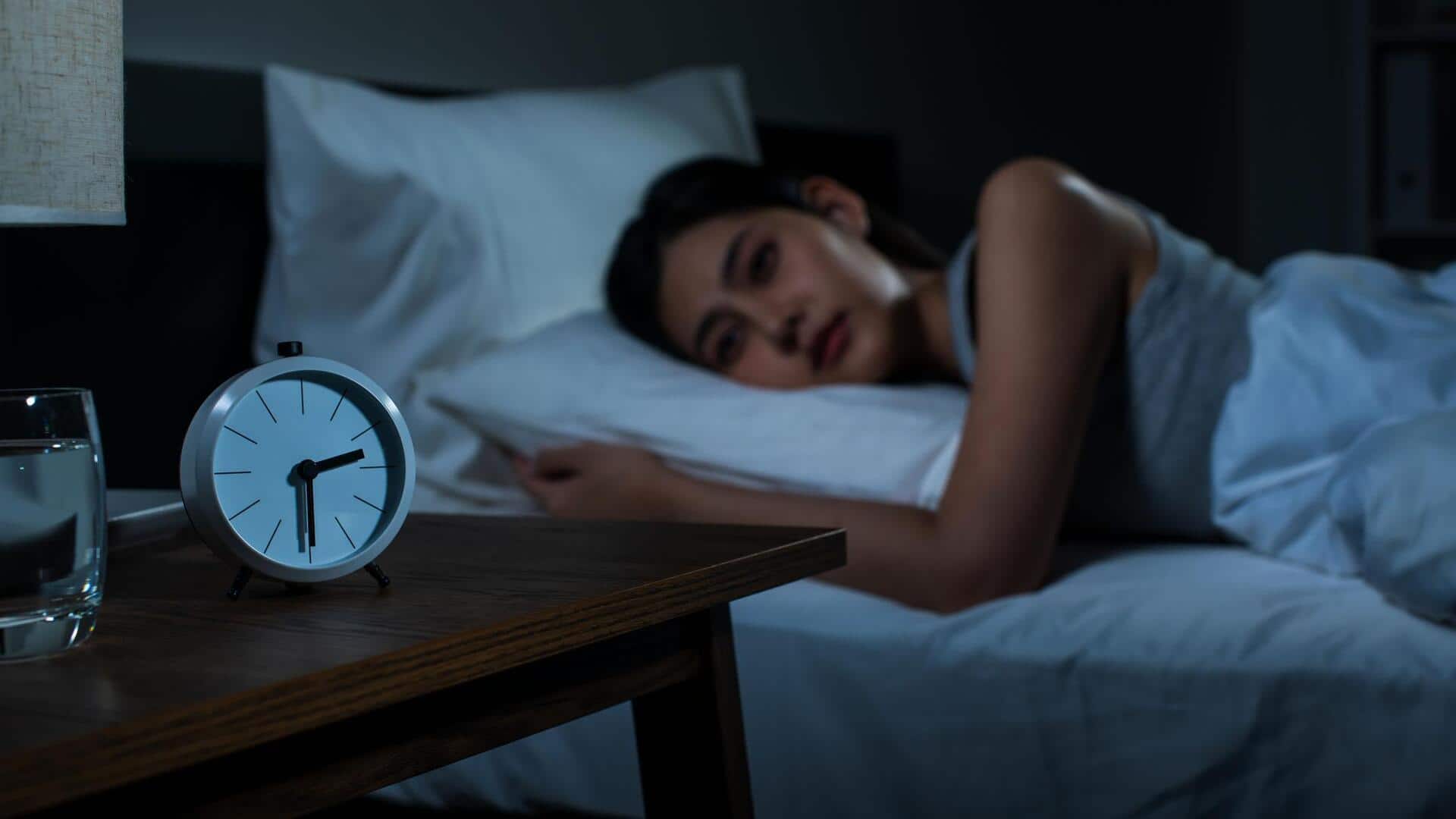
In 2026, artificial intelligence is revolutionizing an individual’s sleep quality through advanced analytics, real-time monitoring, and personalized interventions. These innovations are available through wearables, apps, and smart devices. Go beyond basic tracking to provide personalized recommendations to improve your sleep patterns and health. Cutting-edge innovations include non-invasive neural guidance systems and AI-enabled mattresses that automatically adjust conditions to optimize recovery.
LumiSleep’s neural guidance system
One of the coolest innovations announced at CES 2026, LumiMind’s LumiSleep uses real-time EEG to detect the brain’s sleep onset patterns and responds with personalized acoustic signals through real-time neural coupling modulation technology. It supports a natural transition to sleep without forcing relaxation, and provides closed-loop interactions that are processed entirely on-device to ensure privacy and accuracy.
Eight Sleep’s AI-powered mattress
On the back of a $100 million investment in its AI roadmap, Eight Sleep launches an AI-powered mattress. Use large-scale language models to create a digital twin of your users and simulate results in real-time to proactively predict and adjust sleep conditions such as temperature and altitude. In this way, the device moves from a passive tracker to an active therapist, delivering optimized recovery with verifiable results.
Contactless Sleepal AI lamp
The Sleepal AI lamp offers a contactless option by combining sleep tracking with sunrise simulation and guided relaxation modes. It analyzes your rest patterns without the use of wearables, and creates an ideal bedtime environment that improves sleep quality by emitting soft lighting that stimulates the release of neurotransmitters that reduce insomnia and stress.
Prescription digital therapy for insomnia
Prescription digital treatments such as Somryst and SleepioRx offer FDA-cleared cognitive behavioral therapy for insomnia through mobile apps. Somlist offers a nine-week program that uses techniques such as sleep restriction and stimulus control, and has achieved remission rates of more than 40% in trials. Meanwhile, SleepioRx received Medicare reimbursement in 2025 for broader access.
Machine learning personalization in wearables
Consumer wearables will benefit from machine learning personalization by analyzing metrics such as sleep efficiency from the device. This generates custom advice, such as keeping your bedroom cool (18-20 degrees Celsius), a consistent schedule, and cutting out caffeine 6 hours before bed. Pilot data confirms that these are better than general tips and correlate with improved Pittsburgh Sleep Quality Index scores.