

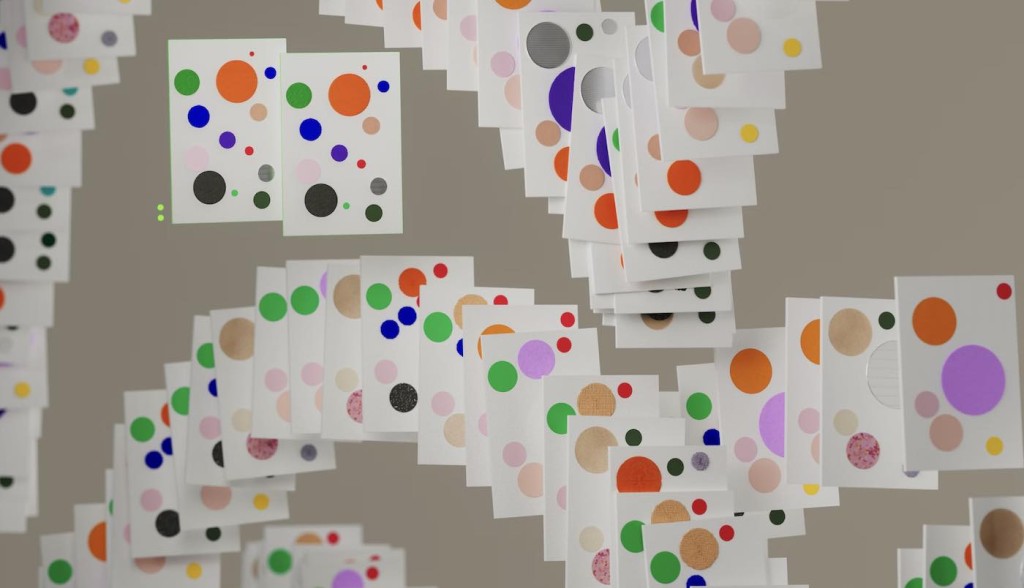
An AI-powered supercomputer has discovered an antibiotic that could be used to treat the world’s most drug-resistant superbug.
Artificial intelligence has proven to be a great tool for combating antimicrobial resistance, which the World Health Organization has listed as one of the top 10 global public health threats facing humanity.
In this case, scientists from Canada and the United States used “deep learning” to identify antibiotic molecules that can kill Acinetobacter baumannii, one of the most dangerous antibiotic-resistant bacteria. Notoriously difficult to eradicate, A. baumannii causes infection in vulnerable hospitalized patients, such as premature infants and those with compromised immune systems.
This bug can survive for long periods on surfaces such as door handles, cupboards, and beds, and can cause pneumonia, sepsis, and meningitis, all of which are potentially fatal.
This superbug is unbeatable due to its ability to extract DNA containing antibiotic resistance genes from other species of bacteria in its environment. But an AI algorithm predicted a compound that would beat it.
The researchers named the newly discovered compound abaucin and demonstrated its efficacy in experiments with infected wounded mice and laboratory-grown bacterial cells.
also just discovered: 80 years of neglected antibiotic re-emerges as highly effective against resistant bacteria
The AI process used will have access to hundreds of millions, possibly billions, of molecules with potential antibacterial properties, thus accelerating the discovery of cures for other potentially deadly diseases, including MRSA. There is also a possibility.
Traditional molecular screening techniques are time consuming, costly and limited in scope.
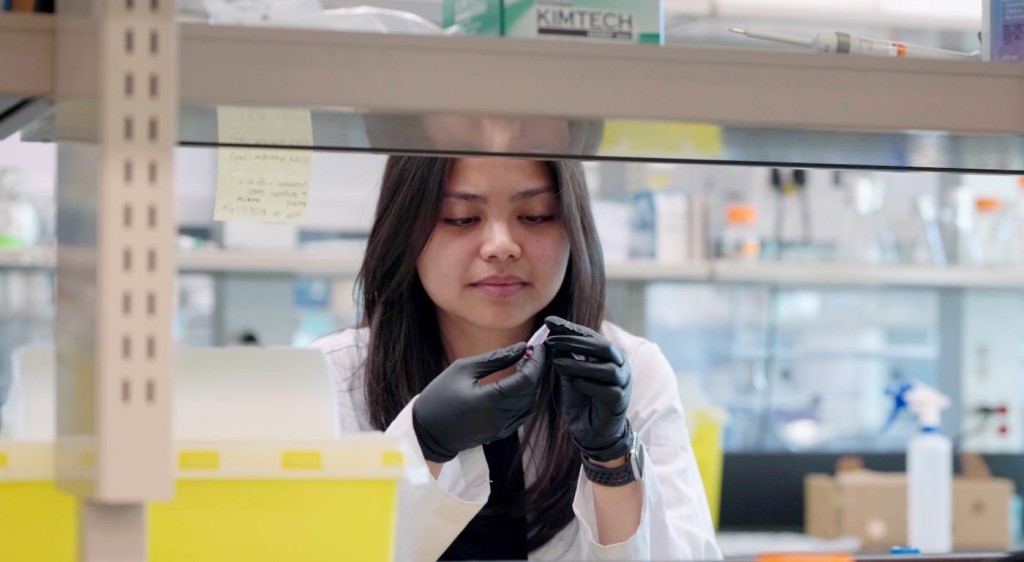
“AI allows us to rapidly explore vast regions of chemical space, greatly increasing our chances of discovering fundamentally new antimicrobial molecules,” said lead author Jonathan Stokes, Ph.D., McMaster University, Ontario. said.
Co-author Professor James Collins of the Massachusetts Institute of Technology (MIT) agreed. “We know algorithmic models work. It is now critical that these methods be broadly adopted to discover new antibiotics more efficiently and at a lower cost.”
The study, published this week in Nature Chemical Biology, describes abaucin as particularly promising because it targets only A. baumannii, which is unlikely to cause pathogens to rapidly develop drug resistance. This is an important discovery.
check out: New AI predicts lung cancer risk up to 6 years ahead, like finding the ‘needle in the haystack’
Most antibiotics are broad-spectrum in nature, killing all bacteria, but also disrupting the gut microbiome, opening the door to many serious infections, including C difficile.
“We know that broad-spectrum antibiotics are suboptimal and that pathogens have the capacity to evolve and adapt to any tricks we throw at them,” Stokes added. “AI techniques can greatly improve the discovery rate of new antibiotics and reduce costs.”
Check out the news report below from CTV…
Spread this life-saving news to the world on social media…


