According to the World Health Organization, cardiovascular diseases are becoming increasingly common among young people between the ages of 20 and 29, as metabolic diseases such as obesity, hypertension, hyperlipidemia, and diabetes are on the rise among young people around the world.
Meanwhile, advanced cardiac evaluations that aid in early detection and treatment typically require high-tech diagnostic equipment and specialized care, but are often only available at major hospitals in large cities. This makes detailed, non-invasive cardiac monitoring difficult, especially for at-risk individuals who would benefit from such evaluation.
Researchers are currently studying how artificial intelligence (AI) can help overcome these barriers.
An international team of scientists led by Patricia Angela R. Abu of the Ateneo de Manila University School of Information Systems and Computer Science (DISCS) has developed an AI model that accurately predicts how effectively the heart pumps blood. This is a measure known as the cardiac index (CI), which includes physiological measures such as heart rate, stroke volume index, and cardiac output. Clinicians use CI to assess cardiac function and determine treatment.
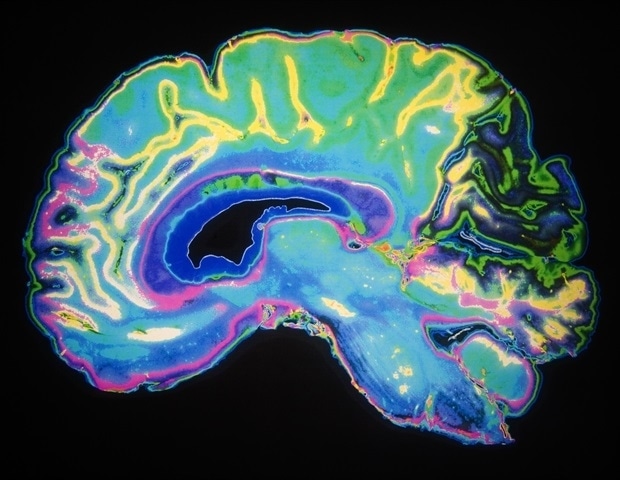
Like an artificial brain, this new AI model ponders physiological indicators from non-invasive sensor stickers placed on the patient’s skin. The system has a classification accuracy of 97.78%, demonstrating the potential for a simpler and more accessible approach to monitoring heart health.
This innovative use of AI offers a promising alternative to traditional monitoring procedures that require specialized hemodynamic analyzers, controlled clinical settings, and specialized medical professionals.
By leveraging cutting-edge algorithms to analyze basic health data collected from non-invasive sensors, AI researchers are helping make advanced monitoring more practical and widely available in medical settings where specialized equipment and expertise are lacking.
These discoveries point to a future where advanced cardiovascular assessments are no longer confined to the walls of large hospitals and specialty clinics. They suggest that reliable cardiovascular assessment does not necessarily require complex or resource-intensive procedures, as demonstrated by the model’s superior performance with fewer inputs. The researchers plan to test the approach in a more diverse population and are also looking to further reduce the number of measurements required.
sauce:
Ateneo de Manila University
Reference magazines:
Chan, C.-H. others. (2026). Robust non-invasive cardiac index prediction using feature integration and data augmented neural networks. bioengineering. DOI: 10.3390/Bioengineering13040477. https://www.mdpi.com/2306-5354/13/4/477