summary
Luma AI has introduced the Ray3, a video generation model that claims to be the first to produce studio-quality HDR (high dynamic range) video.
Ray3 supports 10, 12, and even 16-bit color depths and allows you to export results as EXR files, making it easier to integrate with professional editing and color workflows. This model can also convert standard SDR video to HDR.
“Inference” ability and visual control
One of the most notable features of Ray3 is the ability of Luma AI to “inference” – the ability to think in both images and language, and to follow complex instructions and evaluate their own output. According to the company, Ray3 criticizes early drafts and can be repeated until it meets a bar of a certain quality.
Video: Luma AI
advertisement
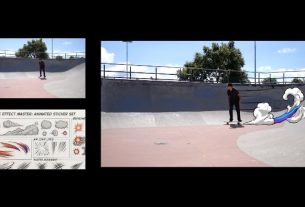
This inference ability allows for visual control. Users can guide movement, objects, or camera framing by directly sketching images instead of typing text prompts.
Video: Luma AI
Ray3 introduces a draft mode that generates rough video previews at a low cost, up to 5 times faster. These drafts can be upgraded to a full 4K HDR “Hi-Fi” quality on the second pass.
The company emphasizes the higher fidelity and realism of the Ray3. This includes rendering cloud scenes, light interactions and reflections, motion blur, and improved character consistency. This model is already available for free from Luma AI's Dream Machine app.
Luma AI has released several short films made with Ray3 as a creative tool “built to tell stories” and has released several technology-made short films. However, unlike Google's VEO 3, it cannot natively generate audio.
recommendation