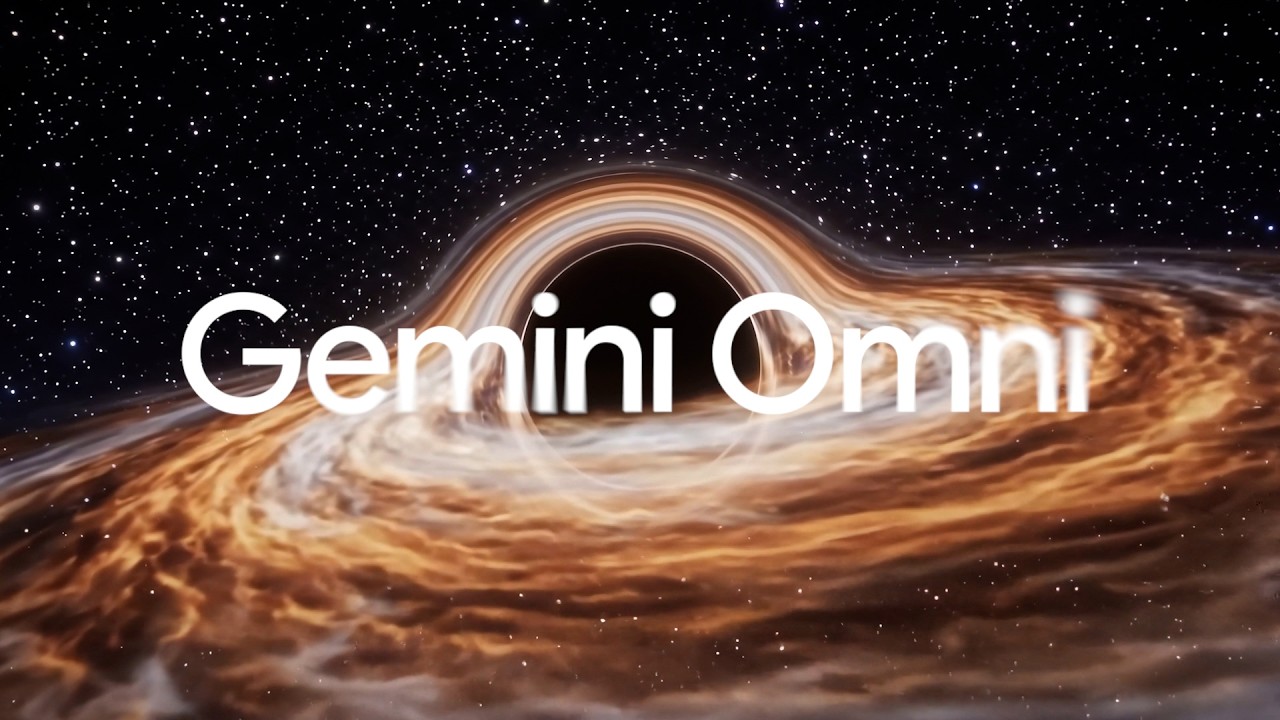
Google’s Nano Banana brings AI photo generation capabilities that can create images that resemble real humans. And now Google is giving the same treatment to generated videos. During Google I/O, the tech giant announced Gemini Omni, a new AI that allows users to generate videos from existing videos, photos, and text.
Like Gemini 2.5 Flash Image (better known by its viral codename Nano Banana), Gemini Omni aims to preserve the likeness of the person in the inspiration photo or video, a challenge that has historically been difficult for generative AI.
Gemini Omni – a name as mouthful as Nano Banana – can generate 10-second video clips with audio using existing photos, videos, text prompts, or a combination of the three. Google calls it “Like Nano Banana, but for video.”


The ability to generate videos from existing videos allows users to reimagine their footage. Google says Gemini Omni can transform characters, objects, and environments “without losing the thread of the original scene.” This includes changing the camera angle as well as the style of the video.
This announcement especially comes after OpenAI shut down its video generator Sora. Google has announced that Omni will replace its previous video generator Veo within the Gemini app.
One of the reasons Google says Omni is the video version of Nano Banana is because the new AI tool uses avatars. Similar to Nano Banana, Google says digital avatars allow creators to generate videos that look like themselves.
watch on
I tried generating my own images with Nano Banana when it first launched, and the experiment was both impressive and a little scary. The images obtained from that experiment are still unforgettable.
As Google says, the ability to produce videos that look like real humans probably comes with some risks. The announcement is already raising questions, introducing yet another “AI slop” at a time when many social media users are already complaining about AI-generated content.
On a Reddit forum, one user said it took him the entire duration of his Pro plan to create four videos. “Censorship is very strict,” another person commented, suggesting that at least some guardrails are in place to prevent AI from being misused, such as generating fake political news or graphic content.
But the slew of AI-related announcements coming out of Google I/O also include additional ways for users to detect whether something is generated by AI. The Gemini app already has the ability to detect AI-generated images and videos that use SynthID watermarks, and Google is now rolling out this feature to search. It will also be added to Chrome “in the coming weeks.”
Videos generated by Omini are marked with a SynthID watermark. This means that a check using the Gemini app, Gemini in Google Chrome, or Google Search will show that the video was generated by AI.
you may also like
Ready to create professional videos? These are the best budget video blogging cameras.