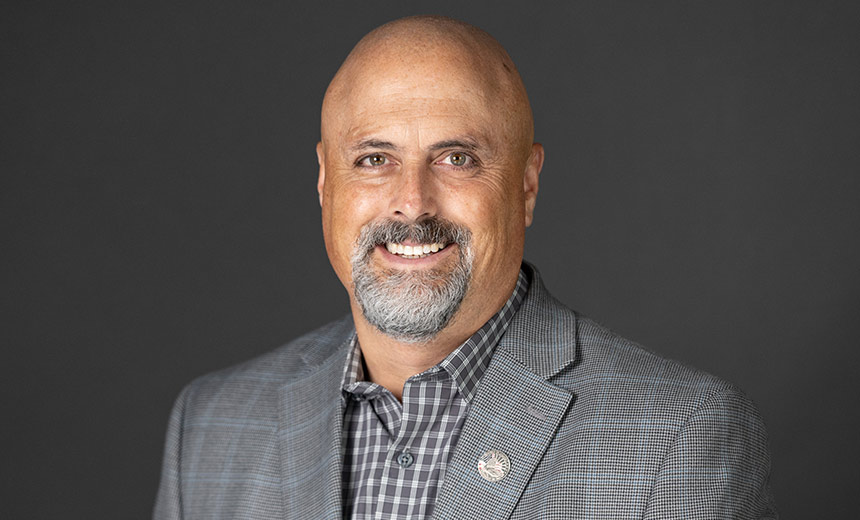
Whether the use of artificial intelligence in healthcare is safe and accurate depends on the governance and trust framework surrounding it, said Dave Bailey, vice president at healthcare privacy and security consultancy Clearwater. This is especially true in clinical settings where mistakes or hallucinations can directly impact patient care.
“The autonomous use of AI in clinical decision-making can be very risky, and organizations deploying AI need to understand that they have processes in place, test the data, and trust the data,” he said.
If a nurse identifies an error in an AI-generated clinical summary within the electronic medical record, a process and plan must be in place to address the issue before a potentially dangerous medical incident occurs.
“How do you respond to these things? It’s really important to understand how your organization uses them. [AI] And if you ultimately cannot trust the data, you need to develop a plan to ensure those adverse events are avoided. ”
And while it’s one thing to have governance over the implementation of AI systems, it’s equally important to manage governance and risk around the lifecycle of the technology and its use, he said.
“What do you do after you get in?” he asked. “Monitoring models and results, and helping organizations provide indicators when models drift or hallucinate, will require the use of emerging technologies.”
In the interview (see audio link below photo), Bailey also said:
- Evolving threats and risks associated with the use of AI in healthcare.
- The use of AI in healthcare to improve cybersecurity and the associated risks.
- Other important AI trust and governance issues for healthcare entities to consider.
Bailey is Clearwater’s Vice President of Consulting Services and Strategy, where he leads enterprise-level cybersecurity and risk management services for healthcare organizations nationwide. He has over 24 years of experience in cybersecurity, 14 of which were focused in healthcare. Mr. Bailey previously served for 13 years as a communications and intelligence officer in the United States Air Force, with leadership assignments spanning the Department of Defense, domestic bases, and overseas operations.