
Creating content every day has been the hardest part of growing on social media. No matter how many ideas I had, turning it into a video took hours of scripting, editing, and production. As our audience grew, we needed more content to maintain momentum.
Things changed when we started using AI to create a week’s worth of videos in a single session. Instead of spending hours creating a single video, I now batch produce 7 videos designed for TikTok, Instagram, and X in about an hour. The result is consistent content scheduling, faster experimentation, and significantly increased opportunities for creating viral hits.
Why AI content creators are now dominating social media
AI-generated content has become one of the fastest growing categories across TikTok, Instagram, and X. Whether it’s a cinematic short film, an alternate history scenario, an AI influencer, a fantasy world, or a humorous “what if” story, new AI videos are garnering millions of views every week. The reason is simple. AI allows creators to create content that was previously impossible, too expensive, or too time-consuming.
More innovative content
One of the main drivers of this growth is novelty. Social media platforms reward content that grabs attention quickly, and AI-generated videos often show viewers something they’ve never seen before. Creators can look to simple ideas like “What would happen if ancient Rome had smartphones?” or “What would happen if a cat ran a company’s office?” Create visually appealing videos within minutes. These unusual concepts naturally spark curiosity, leading to increased watch time and stronger engagement.
Lower barriers to production
Another reason AI content is thriving is because the barriers to production are lowering dramatically. Traditional video creation often requires cameras, actors, locations, editing skills, and a significant investment of time. AI removes many of these limitations. Solo creators can now create cinematic content without the need for a production team. This opened the door for thousands of creators to compete with much larger accounts.
Tools used to create AI short films
My goal is always to reduce friction. The fewer tools you have to switch between, the faster you can go from idea to published video.
My typical content stack includes:
- AI script generation tool
- AI image generation tool
- Image animation and video generation tools
- video editing software
- social media scheduling platform
Lately I’ve been using Loova. This is because most of these steps are integrated into one platform. Instead of moving files between multiple applications, you can generate scripts, visuals, and videos from one dashboard.
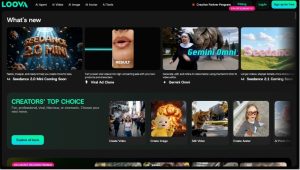
Creating an AI short film primarily uses:
- AI image generator to create cinematic scenes and characters
- Image to Video AI tool to animate still images
- Text-to-video AI tools to quickly generate video concepts
- Editing tools for pacing, captioning, and final touches
Having everything in one place significantly reduces production time and makes batch content creation much easier.
How to create 7 AI videos in 1 hour
The biggest change in my process was getting out of the habit of creating one video at a time.
Instead, create entire batches of content around a theme. This allows you to stay focused and generate multiple videos while maintaining a consistent visual style.
Generate 7 video concepts and scripts
Start by brainstorming seven different concepts for the week.
Rather than creating seven unrelated videos, I usually choose one theme and explore it from different angles. This makes it more relatable to your audience while giving each video its own hook.
For example, if my theme is “What would happen if animals lived like humans?” weekly concepts might include:
- The first day the cat came to the office
- Dogs participating in a cooking show
- Squirrel running for mayor
- penguin influencer
- Bear’s morning routine
- fox starting a podcast
- animal talent contest
Once you have a concept, use AI to generate short scripts, scene descriptions, and narration ideas.
The goal is to create enough diversity so that at least one concept has strong viral potential.
Generating reference images
After writing the script, create visual assets for each concept.
What is essential here is an AI image generator. Instead of spending time searching for visuals, generate custom scenes that match the exact story you want to tell.
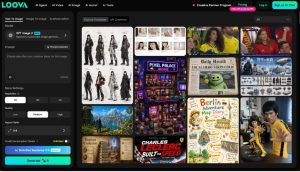
My focus is on:
- consistency of character
- cinematic lighting
- Recognizable visual storytelling
- strong emotional expression
- Vertical configuration suitable for platform
For short-form content, visuals need to convey the idea immediately. If viewers can’t grasp a concept within a few seconds, retention usually goes down.
Convert images to videos
Then use image transformation AI tools to animate the images.
This is where the static scenes start to feel like a real short film.
Typically you would add something like this:
- character movement
- camera motion
- facial expression
- Environmental impact
- cinematic transitions
For quick experiments, we sometimes use AI tools that convert text to video to generate entirely new scenes without first creating images. This is especially useful for quickly testing multiple hooks.
The goal is not to create Hollywood-quality animation. The goal is to create engaging videos that people keep watching.
Edit and adjust the final video
Once the clips are generated, assemble them to create a complete short video.
Pacing is the focus at this stage, as retention is often the strongest predictor of performance.
I usually:
- Tighten scene transitions
- Add a caption
- Improve hook delivery
- Insert sound effects
- Adjust timing for platform-specific audiences
Many creators over-edit their content. I like to keep my videos simple and focused on the core story.
Publish on TikTok, Instagram, and X
The final step is distribution.
The core video remains the same, but we’ve tweaked it for each platform.
TikTok typically rewards stronger hooks and a faster pace. Instagram Reels tend to favor cleaner visuals and strong storytelling. Combining your videos with concise explanations and discussion-driven captions often improves X performance.
Schedule all 7 videos at once to cover the entire week.
My weekly AI video content plan
Monday — Unexpected AI Scenario
Monday is designed to grab your attention right away. I create videos based on amazing “what if” scenarios that seem impossible but believable enough to spark curiosity. For example, we might create a video imagining what life would be like if a cat ran a corporate office or dinosaurs lived in modern cities. These videos often have high watch times because viewers want to see how the story unfolds.
Tuesday — Character Storytelling
On Tuesdays, we’ll focus on one AI-generated character and build a short story around them. The goal is emotional engagement. When viewers identify with your characters, they’re more likely to watch through and share your content. For example, you might create a story about a lonely robot trying to make his first friend, giving your audience a character they can immediately relate to and root for.
Wednesday — Transformation video
Transformation videos consistently perform well across social platforms. Create content that shows dramatic changes, such as character evolution, futuristic transformations, and scene transformations. For example, you might transform an ordinary city street into a futuristic cyberpunk world, or show how a character evolves from a novice to a legendary hero within seconds. These videos naturally encourage repeat viewing.
Thursday — Cinematic Mini-Story
Thursday’s content is usually more ambitious. I create short, cinematic stories with a clear beginning, conflict, and resolution. Maybe you’ll make a video about a robot trying to rescue a lost puppy. There is a clear challenge and an emotional reward by the end. Even if it’s only 30 seconds or less, a simple narrative structure can significantly improve audience retention.
Friday — Adapting the trend
Friday is a day dedicated to trends. Take a format, sound, or storytelling style that already works well and recreate it using AI-generated visuals. This allows you to quickly participate in trends without traditional production constraints. For example, if a popular transition trend on TikTok is gaining momentum, you can quickly generate AI scenes that follow the same format while adapting it to your own content theme.
Saturday — Comedy and Entertainment
Weekend viewers are often interested in lighthearted content. Saturday’s videos focus on humor, unexpected situations, and absurd AI-generated scenarios that encourage comments and shares.
Sunday — a highly shareable concept
Sunday’s videos are designed with reach in mind. I focus on concepts that provoke reaction, discussion, and debate. You might create a video where you ask your audience to choose between two amazing results generated by your AI, and then explain their choice in the comments. The goal is to maximize share and expand content distribution beyond your existing audience.
Analyze performance and improve results
Publishing is only half the process.
The real advantage comes from studying performance and identifying patterns.
Each week, we track:
- Viewing time
- Average viewing time
- completion rate
- stock
- keep
- comment
- increase in followers
Over time, trends become apparent.
Some storytelling styles are consistently better than others. Certain hooks produce higher holding power. Certain visual styles encourage more shares.
AI lets you create content quickly, so you can immediately turn those insights into new experiments for the next week.
This process becomes a continuous cycle of testing, learning, and improving.
final thoughts
The biggest lesson I learned is that viral content is often a numbers game. The more quality ideas you can test, the more likely you are to find something that resonates.
AI does not replace creativity. Get creative faster by eliminating production bottlenecks.
By combining scripting, image generation, video creation, and editing into one process, you can now create seven days’ worth of content in about an hour. Tools like Loova make this possible by integrating features such as an AI image generator, image-to-video AI, and text-to-video AI into one platform.
For creators looking to grow on TikTok, Instagram, or X, the ability to produce more content without sacrificing quality is becoming a huge competitive advantage. Creators who learn how to combine creativity and AI-powered production will be in the best position to expand their reach in the coming years.
FAQ
Can AI-generated videos go viral?
yes. Viral success depends more on the idea, hook, and audience engagement than on how the video was produced.
How long does it take to make an AI short film?
With an optimized setup, creators can create multiple short videos in less than an hour.
What types of AI videos perform best on social media?
Videos based on story-driven content, change, surprising scenarios, humor, and trends often perform especially well.
Do I need video editing experience to create AI videos?
Basic editing knowledge is helpful, but modern AI tools automate much of the production process.
Which platform is best for AI-generated content?
TikTok, Instagram Reels, and X all present great opportunities, but content formats will need to be adjusted slightly for each platform.
Can even beginners successfully create AI videos?
absolutely. AI has significantly lowered the technical barriers to video creation, making it easier for new creators to publish consistently and test ideas quickly.


