

A viral artificial intelligence-generated video showing Tom Cruise fighting Brad Pitt has sparked a major copyright conflict between a Hollywood studio and the Chinese tech giant that runs TikTok.
Surrealistic deepfakes produced by ByteDance’s new Seedance 2.0 AI video model have drawn heavy criticism from Disney, the Motion Picture Association, and major entertainment unions. The studio says the tool appears to reproduce copyrighted scenes and characters without permission. At the center of the backlash is Disney, which sent a cease-and-desist letter to ByteDance, accusing it of illegally using its intellectual property.
writer and producer of dead pool and deadpool 2 shared the clip with X with the caption, “I hate to say it. Maybe it’s over for us.”
In a report first published by Axios, Disney claimed Seadance 2.0 was stocked with a “pirated library of Disney copyrighted characters” and featured franchises such as: star warsMarvel, family guy “As if it were free public domain clip art.”
“ByteDance’s de facto usurpation of Disney’s intellectual property is intentional, pervasive, and completely unacceptable,” Disney’s lawyers said in the letter.
Tom Cruise and Brad Pitt’s deepfakes are just one example that has come under scrutiny. The user reportedly instructed Seedance 2.0 to generate a scene similar to the following: avengers/endgameAlternate Ending on Netflix stranger thingsand other famous Hollywood establishments.
The speed with which the Cruz vs. Pitt video spread online has heightened concerns across the industry. The film association has called on ByteDance to stop what it calls widespread copyright infringement.
In just one day, Chinese AI service Seedance 2.0 was able to misappropriate U.S. copyrighted material at scale… By launching a service that operates without meaningful protections against copyright infringement, ByteDance is ignoring established copyright laws that protect the rights of creators and support millions of U.S. jobs.
The debate comes amid increased scrutiny of artificial intelligence in entertainment. The Human Artistry Campaign, which includes SAG-AFTRA and the Screen Directors Guild of America, describes SeaDance 2.0 as a threat to creators around the world.
“Stealing the work of human creators and replacing it with AI-generated slop is destructive to our culture,” the group said. “Stealing is not innovation.”
This controversy also has political implications. TikTok’s U.S. operations were spun off into a separate joint venture last month after Congress passed a bill requiring ByteDance to sell its U.S. operations, citing national security concerns.
Now, the company faces a different kind of pressure from Hollywood studios, which argue that copyright laws are essential to protecting the U.S. film and television industry. Disney has taken action against AI platforms before. In December, it sent a cease-and-desist letter to Google over prompts that generated characters owned by Disney. Google’s AI tools, including Gemini, then began restricting certain character-based prompts.
At the same time, Disney employed AI under controlled conditions. The company recently signed a reportedly $1 billion licensing agreement with OpenAI, allowing it to use certain characters within OpenAI’s video generation tool Sora. Industry observers note that the main differences are licensing and compensation.
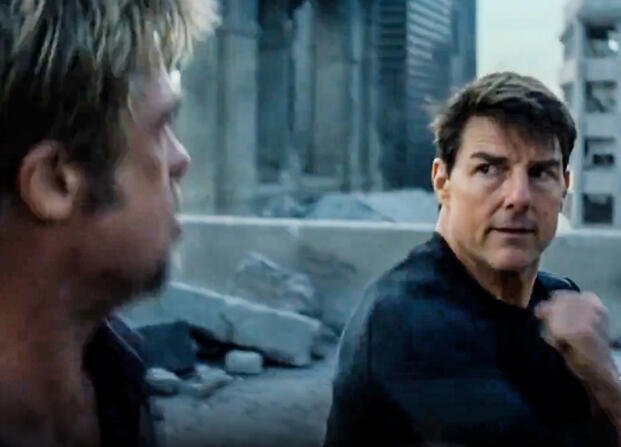
The Cruise vs. Pitt deepfake may have made headlines, but the broader question is whether AI companies can train on copyrighted movies and generate content from them without studio approval.
For Hollywood, the stakes are high. Studios argue that U.S. copyright protection supports millions of jobs across production, post-production and distribution. They warn that AI systems that can instantly recreate decades of film content could undermine its economic foundations.
For ByteDance, Seedance 2.0 represents an aggressive expansion into the fast-growing generated video market. Tom Cruise and Brad Pitt’s AI video has become more than just viral entertainment, as Disney makes a formal legal request and industry groups seek enforcement. This is now a test case in the escalating battle between Big Tech and Hollywood over who controls the future of cinema in the age of artificial intelligence.


