
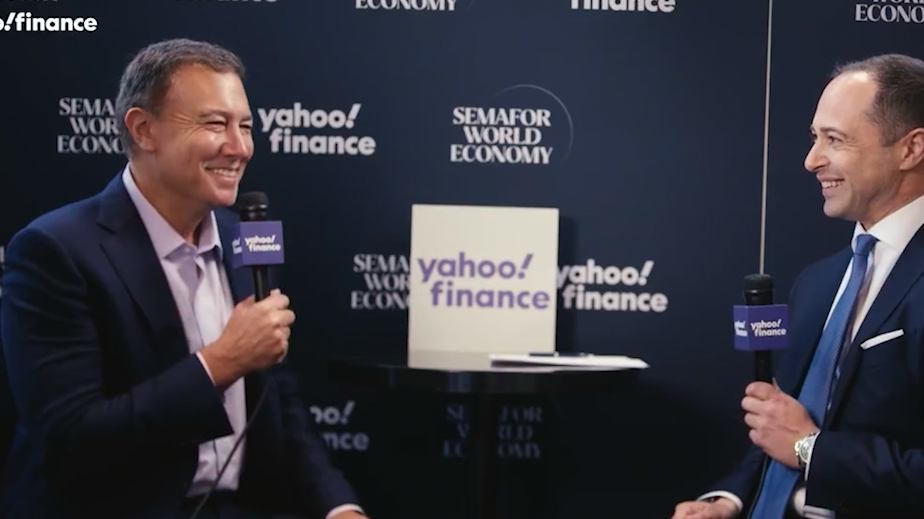
00:00 Speaker A
People unanimously appreciated what we were aiming for in providing a unique interface with unique and relevant results on top of Yahoo data. You know, we’re not just doing the same thing as other chatbots, we’re not even sure how we’re presenting it. Somehow, my personality has come out. And I think publishers, especially journalists, appreciate the spirit of Yahoo Scout. That means we’re serious about sending traffic downstream, in the spirit of the original search engine. You know, it’s called the social contract of search.
00:30 Speaker A
We’re trying to re-establish that with Yahoo Scout because not only is it really important for publishers, but our partner in Yahoo Finance, we’re an aggregator, and we’re sending a lot of traffic downstream. Yahoo itself is among the top 20 companies in terms of search results being retrieved by chatbots. So there’s some skin in the game as well. However, we believe it is very good for users to be able to understand the downstream sources providing these answers to obtain more information or check the veracity of the results.
01:05 Speaker B
What’s the next iteration of it?
01:07 Speaker A
Well, I really blew it. Step one was launching Yahoo Scout, our search engine, on day one and also launching our intelligence platform. So Yahoo Scout is now part of every product we run. It’s part of Yahoo Finance and it’s also part of Yahoo Fantasy Sports. This is part of Yahoo Mail. We released a product called Planner that extracts action items from emails. This eliminates the need to comb through and sift through the contents. That was one big thing.
01:42 Speaker A
And just a few weeks ago, we launched My Scout. This is somewhat in the spirit of the old My Yahoo, which was a poor personalized portal for those who have been using Yahoo for years. Now, My Scout uses AI to create almost the same product on the fly. So this is very dynamic and not just static categories like finance, sports, news, etc. You can actually create new categories, create your own portal, update it throughout the day called My Scout, and set it up right on the scout.com home page.
02:22 Speaker B
How many times has Yahoo gone through the transformation process?
02:24 Speaker A
I think the first stage is over. I don’t know if it’s an innings or not, but the business turnaround has passed Phase 1 with great success. You know, we restructured the company, focused on all, all new strategies, sold a lot of companies, closed certain ones. And in the second phase, all new product launches began. Therefore, all products we operate are new and upgraded. So we’re now in the third phase, and I think it’s time to start attacking. I think Yahoo Scout is probably a good example. Yahoo DSP, as you know, our advertising technology platform is leading in this space. The technology is better, the underlying data is better, and the customer service is better. Therefore, we place great importance on partnering with all the companies that rely on us for their presence on the Internet through advertising.
03:20 Speaker A
So, you know, we’re in the entrepreneurship phase. It’s strange for a company that’s been around for 30 years to want to be entrepreneurial again, but I think that’s an opportunity we’ve had by pivoting.
03:32 Speaker B
I can’t tell you how many people said, “Brian, I’m worried about Mithos.” Well, are you afraid of mythos? And that’s what Anthropic’s model is and what it means for the internet as a whole over the next few years, or frankly two months from now.
03:55 Speaker A
I think there are certainly things to be concerned about, but I also think there’s probably a lot of hype going around. Throughout the long history of the Internet, I believe that the people who create these models and the people who regulate these models have to be very strict in how they manage them. Well, Yahoo is downstream from that, right? We’re extracting value. As you know, we partner with Anthropic for Yahoo Scout. We are not regurgitating results. 100% original results. We are just using their lightweight model to process the data. Um, but, yeah, I mean, I think the world as a whole obviously has some holes that we don’t want to step into.


