
Spotify Technology SA has announced several new initiatives, from concert ticket perks to a major AI-generated music licensing deal, which the Swedish audio streaming company said will fuel its growth over the next four years.
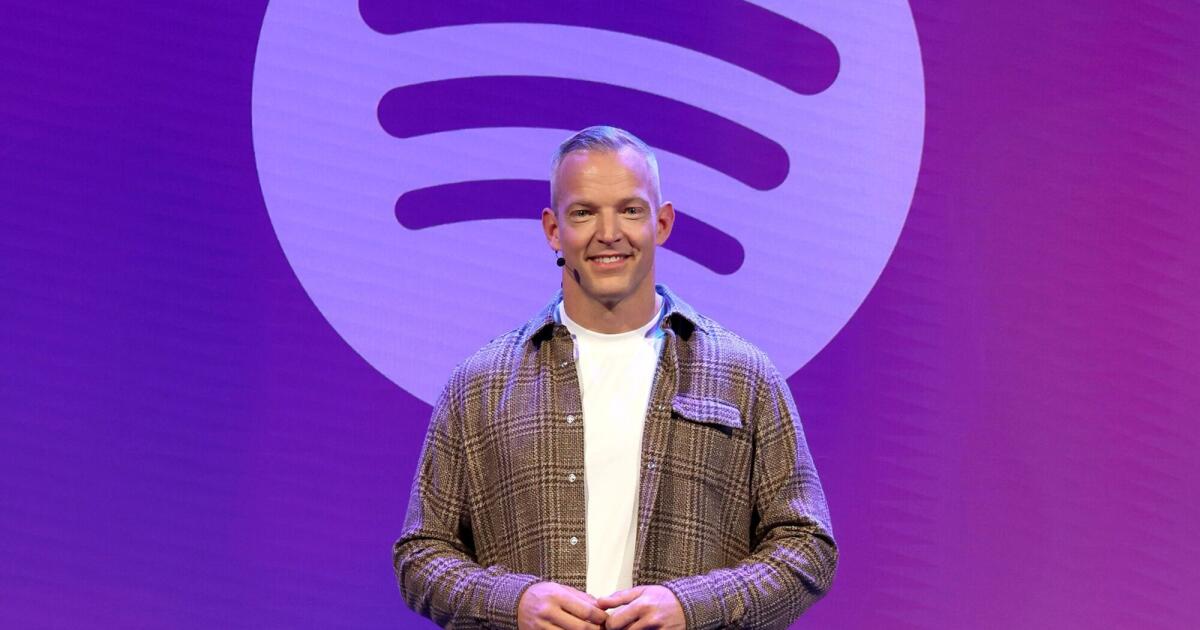
At its first Investor’s Day, led by new co-chief executives Gustav Söderström and Alex Norström, Spotify outlined a vision that revolves around features that allow people to personalize their listening experience, whether they’re enjoying music, podcasts, audiobooks, or working out. Investors liked their story and drove up Spotify’s stock price by 18% during the presentation.
Spotify addressed one of Wall Street’s biggest concerns about artificial intelligence by announcing a major new licensing deal with Universal Music Group NV. The deal will allow Spotify to launch tools that allow fans to create covers and remixes of their favorite songs by artists and songwriters who opt in. The generative AI-powered tool will be available as a paid add-on for Spotify premium users. The companies say this will create an additional revenue stream for Spotify and create a new revenue stream for artists and songwriters on top of what they already earn on the platform.
Spotify has been working with the music industry on how to leverage the power of AI and consumer interest without infringing on artist rights. Last October, the company announced an agreement with major record labels to use AI in a “responsible manner,” but did not say at the time what those tools would be.
“This generation doesn’t need to threaten the future of music,” said Charlie Hellman, head of music at Spotify. “We have built a system that is legal, trusted and coordinated so we can ensure that value is returned to the people who created it.”
In another big announcement, the company announced plans to team up with Live Nation Entertainment Inc. to give Spotify subscribers the option to purchase two tickets to their favorite stars’ concerts before they go on sale to the general public. The move could help Spotify overcome some of the problems fans have had with buying face-value tickets by beating ticket resellers, while encouraging customers to remain subscribers even as they raise their monthly fees.
Fans have long complained about the ticket sales process for live performances, which often pits people against bots and scalpers, often leading to high prices and sold-out tickets.
“It’s frustrating for fans,” said Rene Volker, head of live events. “It’s frustrating for artists, too, looking out into the crowd and wondering if the fans who built my career are really here.” The new ‘book’ perk is designed to ease some of that tension. “There’s no need for a racing bot. There’s no need to scour online for pre-sale codes. We only hold two tickets,” she said.
Thursday’s presentation was aimed at reassuring investors and proving that Spotify can still innovate. Wall Street was skeptical about the company’s ability to stay ahead of competitors while containing costs, especially when it comes to AI. Those concerns have weighed on the stock this year, sending it down 25% by Wednesday’s close. Although the company makes most of its revenue from subscriptions, executives sought to reinforce the idea that other means are needed to generate revenue beyond monthly fees, and that people are willing to spend more for certain features.
The company outlined growth goals through 2030, including a mid-teens compound annual growth rate, a gross profit margin of 35% to 40%, and an operating margin of over 20%. Spotify remains committed to its long-term goals of 1 billion subscribers, $100 billion in revenue and gross profit margins of at least 40%, executives said.
Spotify views its podcast and audiobook capabilities as complementary to music, and said the combination of multiple disciplines has helped expand its community and convert users from free listeners to paid subscribers. More than 500 million people now stream video podcasts on Spotify, an increase of nearly 50% from a year ago. And in just a few years, Spotify has captured about 20% of the U.S. audiobook market, executives say. The company says people use Spotify nearly every day for all three categories: music, podcasts, and audiobooks.
Giving people the tools to personalize their listening experience helps keep people in the Spotify world and creates what executives describe as “all-day users.”
For example, with Personal Podcasts, you write a prompt in the Spotify app and the AI creates your own podcast accordingly.
“We see this more as a daily overview and recommendation engine than a replacement for listening to your favorite podcast,” Söderstrom said in an interview. He noted that 60% of Spotify’s users in mature markets don’t yet listen to podcasts, so features like personal podcasts could encourage them to jump into the medium.
The company said its podcast business has been profitable for the past two years.
Spotify’s Audiobook+ tier lets you listen to over 15 hours of audiobooks allotted to you each month for an additional fee. The company says it has 1 million subscribers and expects annual revenue to reach $100 million. To capitalize on this demand, Spotify will start selling more audiobook hours to Super Users. Additionally, podcasters will be able to offer memberships, giving subscribers access to special episodes and other content. Spotify will receive an undisclosed portion of the revenue from memberships.
Carman writes for Bloomberg.


