

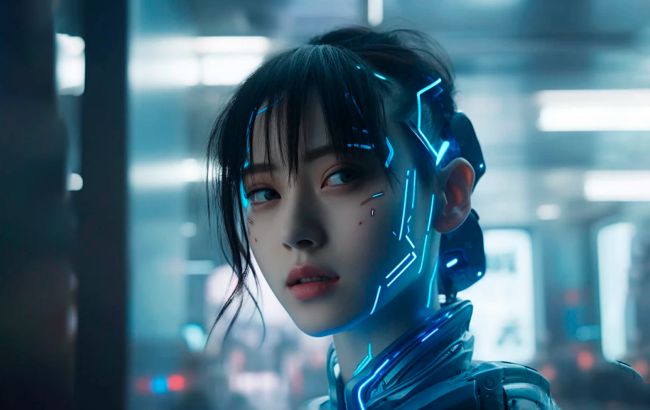
The South African Actors Guild (SAGA) has expressed concern about the growing use of artificial intelligence in film and television, warning that it is already on the brink of replacing performers in an industry with few regulatory safeguards.
The concerns echo those raised in the United States, where actors have long warned that AI could replace or duplicate human roles without adequate compensation.
Jenna Ortega talks about the dangers of AI in film:
“I hope it becomes mental junk food and you get to a point where you see it on screen and you feel sick and you don’t know why. I know it’s going to sound awful, but I think sometimes you need to take something away from the audience in turn… pic.twitter.com/mdAIWqlRxO
— Variety (@Variety) November 29, 2025
The issue became global three years ago when SAG-AFTRA went on strike over the invasive and unethical use of AI in production.
SAGA chairman Jack Devnarain said the risks were even greater in South Africa because the local entertainment sector was largely unregulated.
“South African actors are well aware of the dangers of what artificial intelligence does,” he said. He added that discussion groups are already meeting to consider the impact of AI on careers and job security.
Debnarain warned that AI-related job losses are already occurring across the creative sector.
Unlike the United States, South Africa does not have a formal union structure or policy framework to negotiate protections for performers.
“We don’t have a mechanism to voice our grievances and talk about unemployment and the negative effects of artificial intelligence,” he added.
He stressed that the actors are not anti-technology, but against its unethical use.
“We have no objection to the use of AI. We have serious objections to the misuse of AI,” he said.
This includes deepfakes, unauthorized copying of images and sounds, and productions that do not compensate performers if their likenesses are reused.
According to SAGA, AI is already widely used in commercials, dubbing and audio productions in South Africa, and there are increasing instances of actors’ likenesses being copied without their permission.
“AI is already being used to copy people’s appearance, images, and voices,” Devnarain said.
The guild is calling for urgent industry-wide dialogue and formal protections to protect job opportunities and artists’ rights before the technology causes serious erosion across the industry.


