

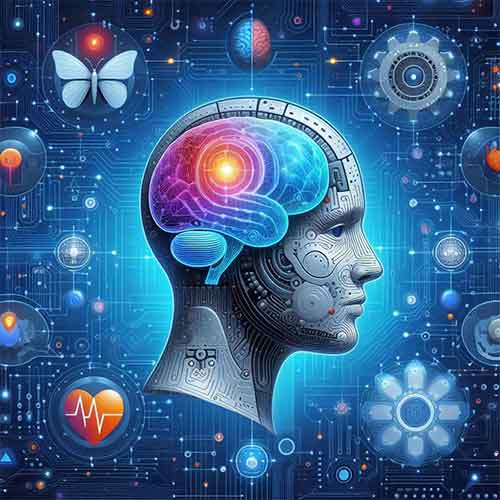
Mental health AI is rapidly emerging as one of the most influential yet sensitive applications of artificial intelligence.
From conversational chatbots that provide emotional support to advanced algorithms that can identify early signs of depression, anxiety, and burnout, AI is positioned as a scalable response to a global mental health crisis fueled by rising demand and a shortage of trained professionals.
AI-powered tools provide 24-hour access to support, reduce bias through private, non-judgmental conversations, and enable early intervention by analyzing patterns in voice, text, behavior, or wearable data.
The potential benefits are huge.
In workplaces and educational institutions, AI systems can help provide early warning of burnout risk, and in healthcare settings, they can assist clinicians with triage, continuous monitoring, and personalized care pathways.
But limits are just as important.
Mental health is deeply personal and shaped by cultural, social and emotional context.
AI models trained on biased or incomplete data risk misunderstanding and harm, especially among diverse linguistic, community, and neurodiverse populations.
Importantly, AI cannot replicate human empathy, lived experience, or clinical judgment.
Privacy and trust remain central issues.
Mental health data is one of the most sensitive forms of personal information and requires strict safeguards around consent, data minimization, security, and accountability.
The future lies in expansion, not replacement.
When designed and managed responsibly, mental health AI can expand access and support clinicians while keeping human care at the center.


