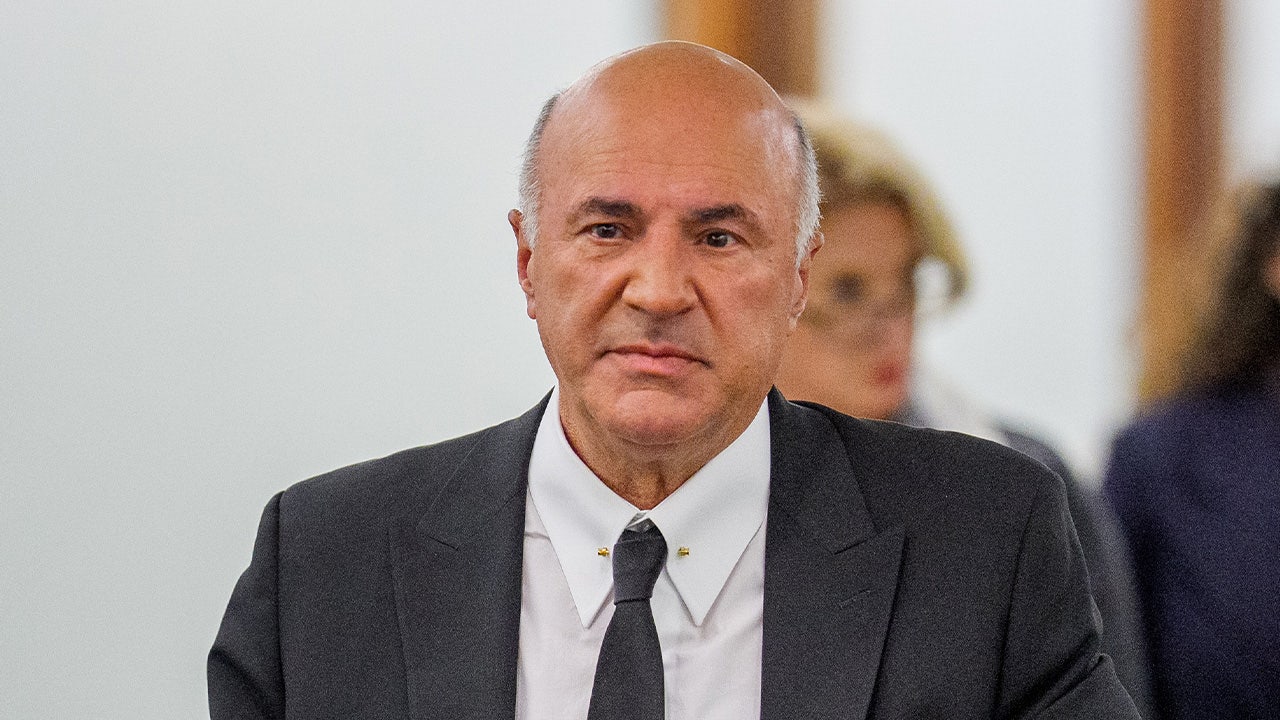
O’Leary Ventures Chairman Kevin O’Leary talks about the rapid profitability of artificial intelligence companies on “The Bottom Line.”
“Shark Tank” investor Kevin O’Leary says he is willing to scale back development of artificial intelligence data centers in Utah after top state lawmakers called for significant cuts and additional environmental protection measures, according to a report.
O’Leary told NBC News on Wednesday that he is open to scaling back the proposed Stratos data center project after Utah Senate President J. Stuart Adams called for a 75% reduction in square footage.
“We have no other choice,” O’Leary told NBC News at the Washington AI Network’s AI Honors Celebration.
The project is being promoted as one of the largest AI-focused data center developments in the world and will span approximately 40,000 acres in Box Elder County.
Kevin O’Leary details massive Utah AI data center to counter Chinese technology dominance
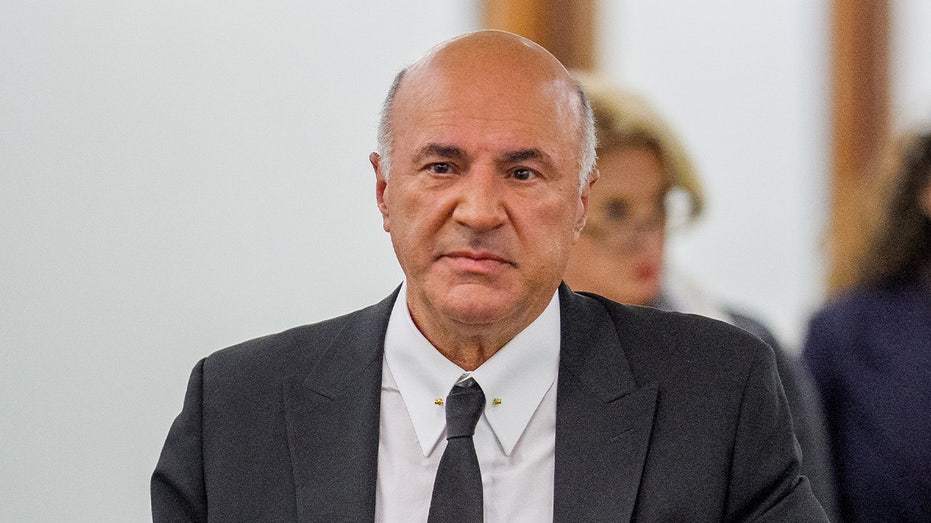
Kevin O’Leary, chairman of O’Leary Ventures, arrives to address the House Select Committee on Joint Hearing of the Senate Committee on Aging and the Chinese Communist Party on April 9, 2025 in Washington, DC. (Andrew Harnik/Getty Images/Getty Images)
In a letter sent Monday, Adams asked O’Leary to reduce the project area to about 10,000 acres and take additional environmental protection measures before moving forward.
“I wrote a letter directly to Kevin O’Leary requesting that the area of the proposed data center project be reduced by 75% from 40,000 acres to approximately 10,000 acres,” Adams said in a statement.
The Republican Senate president also called for stronger safeguards, greater public transparency and protection of Utah’s natural resources.
FOX NEWS AI Newsletter: Backlash over mystery company’s data center
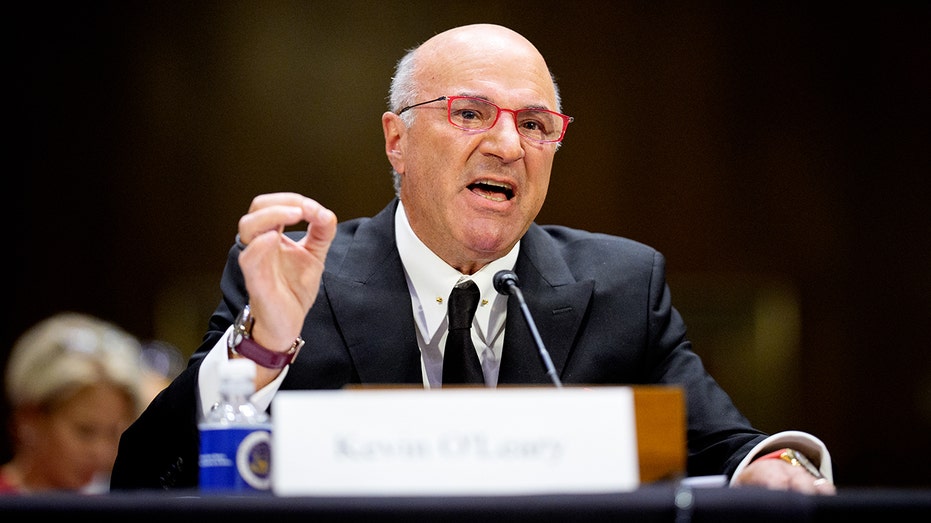
Kevin O’Leary, chairman of O’Leary Ventures, speaks at a joint hearing of the Senate Committee on Aging and the House Select Committee on the Communist Party of China on April 9, 2025. (Photo by Andrew Harnik/Getty Images/Getty Images)
In his request, Adams said the project should commit to using the latest technology to minimize water consumption, diverting excess treated water to the Great Salt Lake, and entering into agreements with state officials to protect wildlife habitat and farmland.
“Utah can pursue economic opportunities while protecting our water, air, wildlife and communities,” Adams said. “We can and must do both.”
O’Leary suggested the demand may have been driven by political pressure, as opposition to the project continues to grow.
Kevin O’Leary says there are only two cryptocurrencies worth owning

High-tech data center with server racks (license/image)
“I know he did it for political reasons,” O’Leary told NBC News. “He has to deal with those issues and so do I.”
Residents and environmentalists have expressed concerns that the project could place potential demands on water supplies, power infrastructure and nearby communities.
Mr O’Leary had previously dismissed some of these concerns as misinformation and accused opponents of spreading false claims about the project.
US bans new foreign-made consumer internet routers over security concerns
“All of these people have a right to information,” O’Leary told NBC News. “Why are they profiting off of false initiatives? Who is spending all this money to put all these falsehoods and outright misinformation and lies out there and incite these people?”
Adams noted that several legislative committees are considering how large-scale development could impact Utah’s water supply, energy systems, land use and environmental resources.
CLICK HERE TO GET FOX BUSINESS ON THE GO
Utah is also investing more than $1 billion in water conservation and infrastructure projects while increasing oversight of large developments, Adams said.
O’Leary told NBC News he plans to formally respond to Adams by Friday with details of the proposed amendments.