Music has always been a deeply emotional experience, but turning sound into compelling visuals has traditionally required time, skill, and expensive production tools. From hiring a motion designer to learning complex video software, creating music videos and visualizers has long been out of reach for many independent artists and creators.
But in recent years, AI music video generators have begun to change this. Tools like Beatviz demonstrate how artificial intelligence can transform raw audio into expressive visual art, lowering barriers to entry while opening up new creative possibilities.
Challenge to music visualization
In the digital age, visual storytelling is becoming increasingly important. Platforms like YouTube, TikTok, and Instagram favor video-first content, even for music releases. However, many musicians face a common dilemma. While you can produce music independently, visual content often requires a different skill set and budget.
Traditional music visualization requires manual synchronization of visuals to rhythm, tempo, and mood. This process is not only time-consuming, but also technically demanding. As a result, many creators either omit visuals entirely or rely on generic templates that fail to reflect the specificity of the music.
AI music video generators aim to address this gap by automating the connection between sound and vision.
At the core of the AI music video generator is audio analysis. Rather than treating a song as a single file, the AI system splits the audio into multiple layers of information. These typically include rhythm, tempo, amplitude, frequency distribution, and emotional tone.
By identifying patterns such as beats, drops, and changes in intensity, the system understands the structure of the music. This allows visuals to respond dynamically rather than remaining static or repetitive. As the music gets louder, so does the visuals. As the rhythm tightens, the movements become sharper and more energetic.
Beatviz follows this general approach and uses audio-driven signals as the basis for visual generation.
Map sound to visual movement
Once the audio features are extracted, the next step is translation. Here, AI moves beyond analysis to creative interpretation.
The AI music video generator maps musical characteristics to visual parameters such as motion speed, color shifts, shape deformations, and transitions. For example, a strong baseline can cause larger and heavier movements, while higher frequencies can influence lighter and faster visual elements.
Rather than applying a single fixed rule, modern systems continually adapt as the track progresses. This results in visuals that respond to the music moment by moment and feel synchronized and alive.
The goal is not to tell a literal story, but to create a visual rhythm that reflects the emotional flow of the sound.
Style, customization and creative control
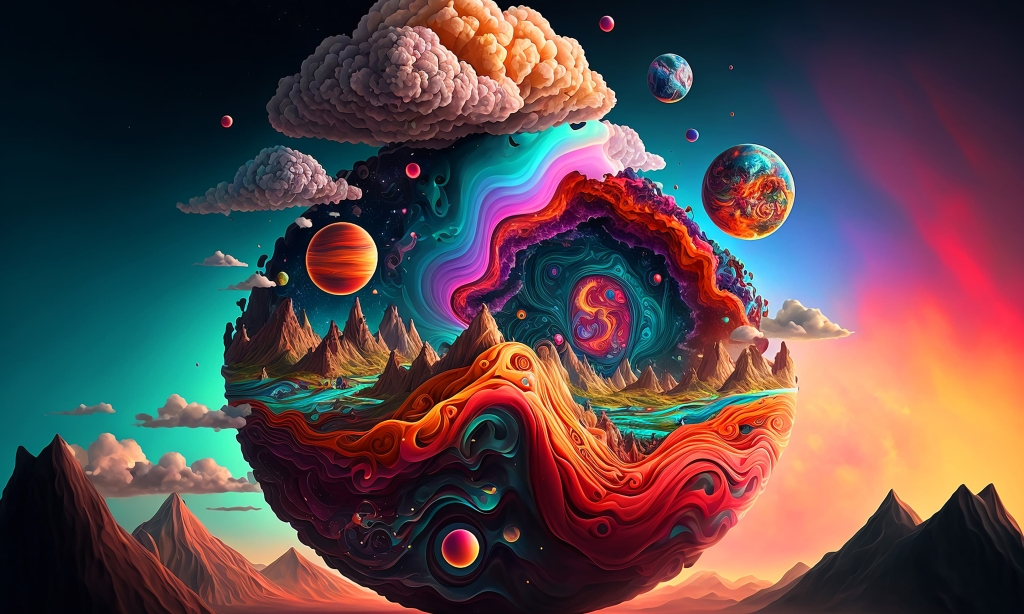
One common concern with AI-generated visuals is the loss of artistic control. Early automation tools often produced repetitive or generic results. A new AI music video generator tries to strike a balance between automation and customization.
beatbizFor example, creators can influence the visual outcome through style choices, color palettes, and overall aesthetic direction. AI handles the sync and motion logic, and creators guide the visual identity.
This hybrid approach positions AI as a creative collaborator rather than a replacement. Artists remain responsible for mood and intent, but AI accelerates execution.
Why an AI music video generator is important for creators
The rise of AI music video generators reflects broader changes in creative technology. Tools are increasingly designed to empower individuals rather than studios.
For independent musicians, visual artists, podcasters, and content creators, this means faster turnaround times and lower production costs. Songs can be released with a visual companion in hours rather than weeks, making it easier to stay relevant in a rapidly changing digital space.
Equally important, these tools encourage experimentation. When the cost of failure is low, creators are more likely to explore new sounds and visual styles.
Beyond promotion: Visuals as part of the music experience
Music visualization is no longer just a marketing asset. In live streams, digital albums, and immersive online experiences, visuals have become part of how audiences consume and remember music.
AI music video generators like Beatviz demonstrate how technology can enhance this experience by making the visuals more responsive and emotionally aligned with the sound. Instead of static images or looping animations, the audience encounters visuals that make them feel connected to the music itself.
This change hints at a future where music can be experienced visually in real time, rather than just being heard.
For the future
As AI models continue to evolve, music visualizations can become more adaptive and personalized. Future systems may respond to listener interaction, the environment, and even emotional feedback.
For now, tools like Beatviz are offering a real glimpse into this future, showing how AI music video generators can bridge the gap between sound and visual art. By transforming audio into movement and form, we redefine how creators express music in a visually-driven world.
In doing so, AI is expanding the ways in which creativity can be expressed, rather than replacing it.