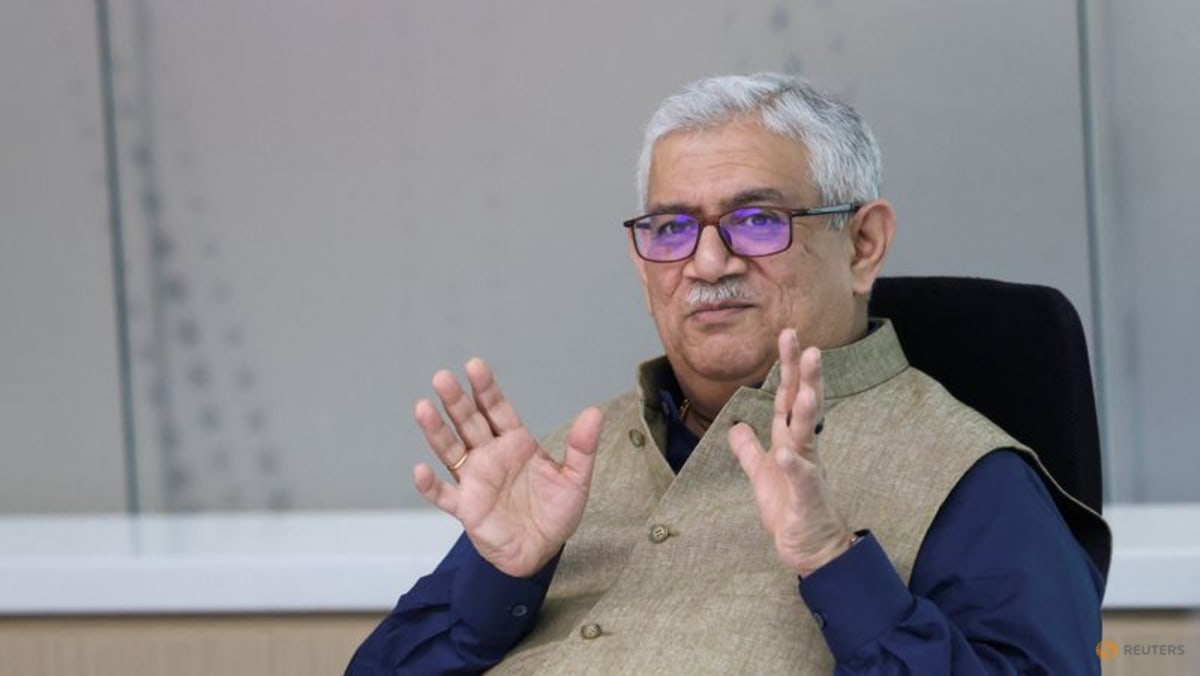
BENGALURU, May 25: If India wants to become an AI powerhouse, government, business and academia need to work together to improve skills and drive policies, an IBM executive said. This technology threatens the country’s status as a global services hub.
IBM India chief Sandip Patel told Reuters on Monday that the South Asian country’s large young workforce could give it an advantage in the global race to adopt and leverage technology that companies say can boost productivity.
“The demographic bounty is here, and it’s a phenomenal opportunity to unlock,” Patel said. “We will have a workforce of 350 million AI-trained people working here and around the world.”
More than half of India’s approximately 1.4 billion people are under the age of 30, giving the world’s most populous country a vast young workforce. The country also produces millions of engineers each year, who now face the threat of AI tools that can automate tasks such as coding.
IBM in December pledged to equip 5 million people in India with skills in AI, cybersecurity and quantum computing by 2030, but said about 30% of India’s available technology talent had the AI skills businesses needed. The company is working with the government on skills improvement initiatives.
Patel also said stronger intellectual property protection is needed for India to become a force for generating monetized technology, adding that companies need greater assurance that intellectual property developed in India will be maintained across borders and remain commercially viable.
Patel said IBM is expanding into tier-2 cities closer to its hiring hubs and customer base, helping it leverage talent beyond India’s saturated technology hub.
Within two years, the company’s presence in the southern city of Kochi has grown to nearly 4,000 employees, and it recently expanded to Lucknow.