Scientists at Argonne National Laboratory have revealed a new method to detect defects in metal parts manufactured by additive manufacturing
For over a decade, the construction industry has relied on additive manufacturing to create architectural models, prototypes, and end-use parts. This process of building parts layer by layer using a 3D printer allows users to quickly build geometrically complex parts, automate production processes, and use specific materials depending on the application. can.
Additive manufacturing has the potential to increase worker safety and productivity in the construction industry, but structural defects formed during the construction process prevent this approach from being widely adopted. was.
Researchers at the U.S. Department of Energy’s (DOE) Argonne National Laboratory recently developed a new method to detect and predict defects in 3D printed materials that could revolutionize the additive manufacturing process.
Find defects with detailed imaging
In their study, scientists from Argonne University, the University of Virginia, and several other institutions used a variety of imaging techniques to detect pore formation in 3D-printed metals in real time. The metal samples used by the researchers were created using a process called laser powder bed fusion, in which the metal powder is heated with a laser and melted into a suitable shape. However, this approach often leads to pore formation that can impair part performance.
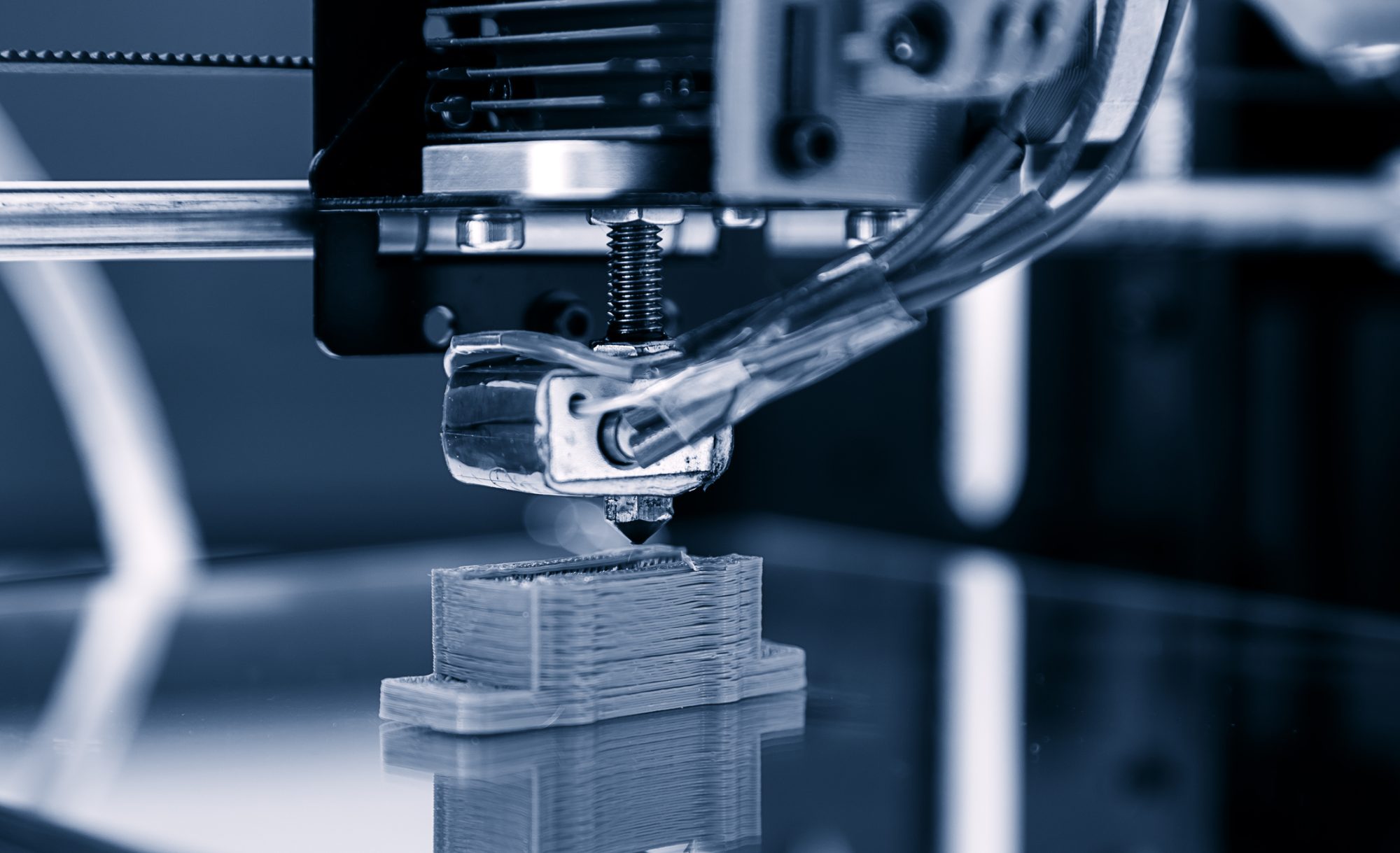
Many additive manufacturing machines have thermal imaging sensors that monitor the build process, but these sensors only image the surface of the part being built and can miss pore formation. . The only way to directly detect pores inside dense metal parts is to use an intense X-ray beam such as Argonne’s Advanced Photon Source.
Argonne’s X-ray tool can take more than one million images per second, allowing researchers to observe pore formation in real time. He then compared his X-ray images of pore generation with the thermal images produced by the additive manufacturing machine. They found that pores formed within metal parts caused distinct heat signatures on the surface, which could be detected with a thermal camera.
Prediction of pore formation by machine learning
Once the researchers identified thermal signatures that could be detected by an additive manufacturing machine, they trained a machine learning model to predict the formation of pores in 3D metals. They validated the model using radiographic data. This data was found to accurately reflect pore generation within the metal samples used.
They then tested whether their model could detect thermal signals and predict pore formation in a new set of samples. Scientists have found that their new method can predict pore formation almost perfectly in real time.
Improvements to existing commercial systems
Many additive manufacturing machines on the market already have sensors, but they are not as accurate as the methods researchers have developed. However, instead of building a new additive manufacturing machine, this method can be easily implemented in existing commercial systems with thermal cameras.
By incorporating this new method into current machines, users can identify where pores are being generated during the printing process and provide the information needed to adjust parameters or stop the build altogether. will be In some cases, machines can automatically stop producing parts if critical defects are detected early in the additive manufacturing process, saving the user time, materials and money.
This new method also benefits the user by saving time during the inspection process after the part is printed. Specifically, the machine creates a log file that records where porosity defects in the part may exist. Inspectors can use this log file to look at specific locations rather than analyzing every aspect of the part.
The ultimate goal of developing this approach is to create a system that not only detects defects during the additive manufacturing process, but also repairs them.
The researchers plan to study sensors that can detect other types of defects in the future. They want to develop a comprehensive system that can tell users not only where defects can occur, but also what types of defects they have and how to fix them.
Argonne National Laboratory
Phone: +1 630 252 2000
www.anl.gov
Youtube