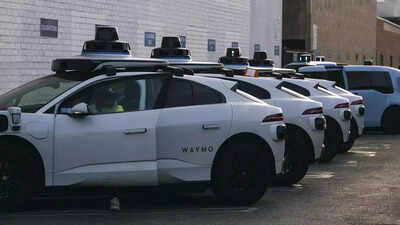
Waymo is using DeepMind’s Genie 3 artificial intelligence (AI) model to create a realistic digital environment in which its self-driving cars can train for rare and difficult driving scenarios. The Alphabet-owned self-driving company recently published a blog post announcing the new Waymo World Model. This AI model builds on Genie 3’s ability to build virtual environments from text prompts. The system produces synthetic driving footage and depth perception data as if captured by an on-board camera or LIDAR sensor.In a statement to Bloomberg, a Waymo spokesperson said: “Traditional AV simulation models are limited by the on-road data they collect.” and a new world model “It will allow us to investigate situations that our fleet has never directly observed.”Waymo’s system can also convert real-world vehicle camera datasets into scenes and depth maps for vehicle simulation. The company said the combination will increase the reliability of self-driving car systems in unusual scenarios and help expand Waymo’s self-driving services to more markets.“This strengthens Waymo’s ability to safely expand its services to more locations and new driving environments.” the spokesperson added.Last week, Google DeepMind’s Genie 3 model attracted a lot of attention for demonstrating its world-building capabilities. It also caused stock prices to fall for companies that provide game development and graphics creation tools.
how google DeepMind’s Genie 3 model helps Waymo
Incorporating Google’s Genie 3 model could give Waymo a boost in its plans to expand into about 12 cities this year. Simulation is just one of the tools the company uses to prepare autonomous systems for specific situations and verify their safety, the spokesperson said. In December 2025, the company announced that “There is no substitute.” For real world driving experience. Alphabet recently reported that Waymo took more than 20 million self-driving trips in the same month.But a company spokeswoman declined to comment on whether the company had simulated crashes involving stopped school buses or large-scale power outages like the one that disrupted operations in San Francisco last year. Still, she took note of Waymo’s global model “You can simulate virtually any scene.”Waymo is currently under safety investigation by US authorities following a series of software incidents in recent months. The National Highway Traffic Safety Administration and National Transportation Safety Board are investigating multiple incidents in Austin where Waymo failed to stop parked school buses. These violations also led the company to issue a voluntary recall of its software.Beyond Waymo, other robotaxi operators and AI companies are looking for additional data sources to improve their models. Nvidia, which provides chips and AI models to self-driving technology developers, has partnered with ride-hailing company Uber to collect millions of hours of robotaxi-specific driving data to power the training and validation of driverless models.SoftBank Group-backed Wave, which plans to pilot robotaxis on the Uber platform in the UK this year, has unveiled a unique global model that generates synthetic driving data. Elon Musk’s Tesla said it had developed a similar simulator. A larger training dataset is very important for Waymo and will help avoid such incidents.