
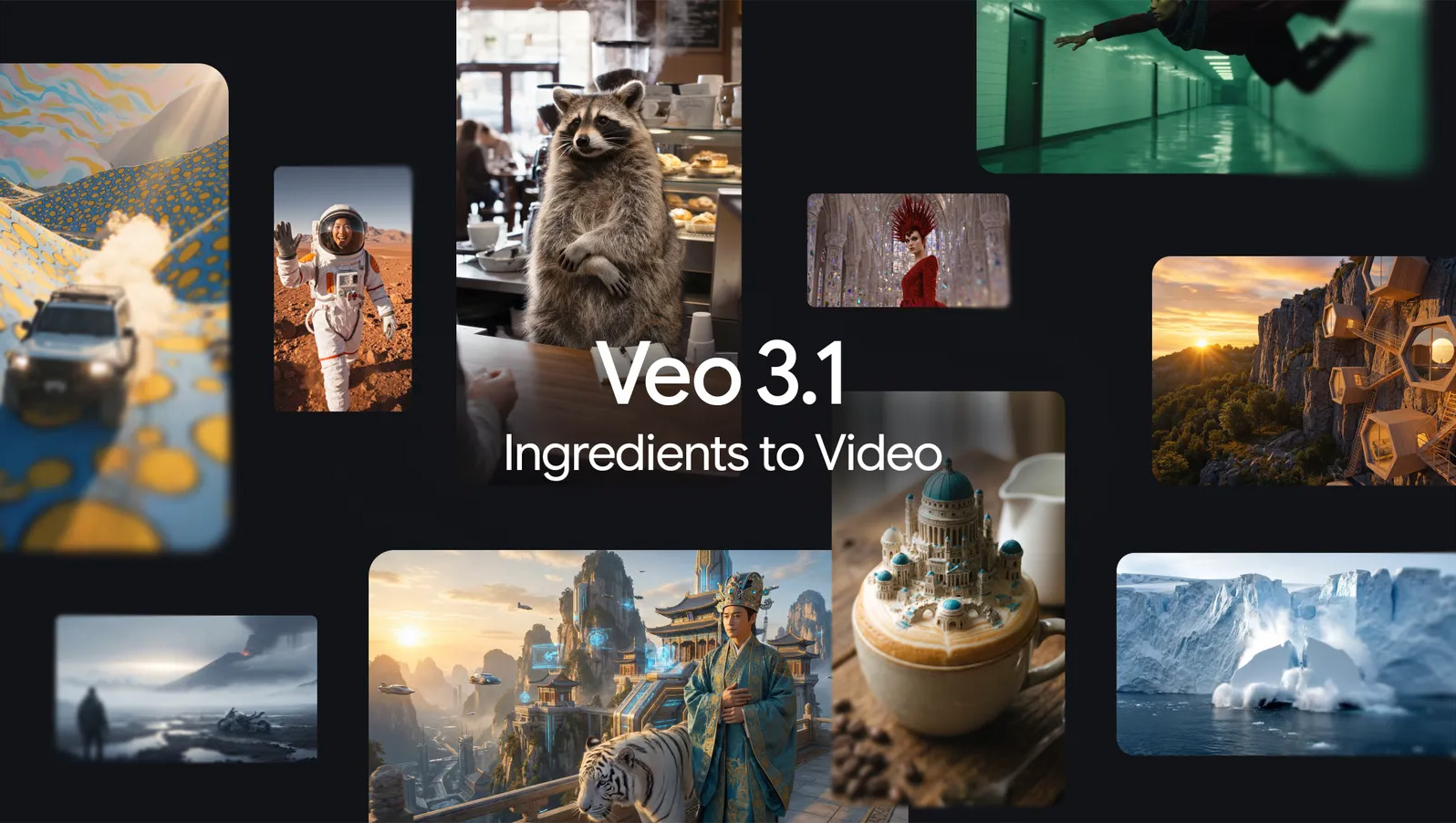
The latest update to Google’s Veo 3.1 AI model introduces exciting new features for video creators. This update brings native support for vertical video generation from reference images, making it easier to create content optimized for social media platforms like YouTube Shorts, Instagram, and TikTok. By powering AI-driven video creation, Google enables creators to create more engaging, platform-ready content with less effort.
Vertical video output: a game changer for mobile content
With the release of Veo 3.1, Google is making a big move towards supporting vertical video formats. This feature allows users to generate 9:16 video directly from AI, eliminating the need for post-production cropping or resizing. Given the dominance of short-form mobile video platforms like TikTok, Instagram Reels, and YouTube Shorts, this update is a timely enhancement for creators looking to stay ahead of the curve in mobile video production.
Vertical video formats free creators from having to manually adjust their content for different platforms. Whether it’s for promotional materials, influencer content, or casual social posts, you can easily create perfectly sized videos and save tons of time.
Reference image for more control and consistency
Veo 3.1 introduces the ability to upload up to three reference images to help the AI generate your video. This means users can provide specific visual cues, such as a character’s appearance, background, or specific style, which the AI will use to create a video that is visually consistent and matches the user’s creative vision.
This level of control adds a layer of customization that makes AI video generation more accessible to creators who want a specific look or aesthetic for their videos. It also addresses one of the common challenges with AI-generated content: maintaining continuity between different scenes and shots.
Seamless content creation
With the help of reference images, Veo 3.1 not only improves the quality of individual scenes, but also ensures that the overall video flow feels natural. This makes it easier for creators to create a coherent narrative or ad series without having to manually piece together content in post-production.
Upscaling and quality improvement
Base video generation is 720p, but Veo 3.1 supports upscaling to 1080p and 4K resolution in certain environments such as Flow and Vertex AI. This enables users to create high-quality content for professional use while benefiting from the short turnaround time inherent in AI-driven production.
This upscaling feature is especially useful for creators and brands who want to maintain high production standards without sacrificing the speed and efficiency of AI-driven video creation.
Broad ecosystem integration
In line with Google’s broader strategy, Veo 3.1 integrates across a variety of tools including Gemini, YouTube Shorts, and Google’s own Flow and Vertex AI. This seamless integration allows users to leverage the power of Veo 3.1 across a variety of platforms and services, streamlining the workflow for content creators who use multiple tools for video editing, production, and distribution.
For users who are already part of Google’s ecosystem, this integration makes Veo 3.1 a very convenient choice for video generation, ensuring workflows are integrated between the tools you already use.
comment:
Google’s Veo 3.1 update is a solid step forward for AI-driven video tools, especially for creators focused on short-form, mobile-first content. The ability to generate vertical videos from reference images makes content creation faster and more efficient, and integration across Google’s ecosystem makes it even more useful for users who already use other Google services. As mobile video consumption continues to rise, updates like this position Veo 3.1 as a critical tool for creators looking to meet the demand for engaging, high-quality video.


