
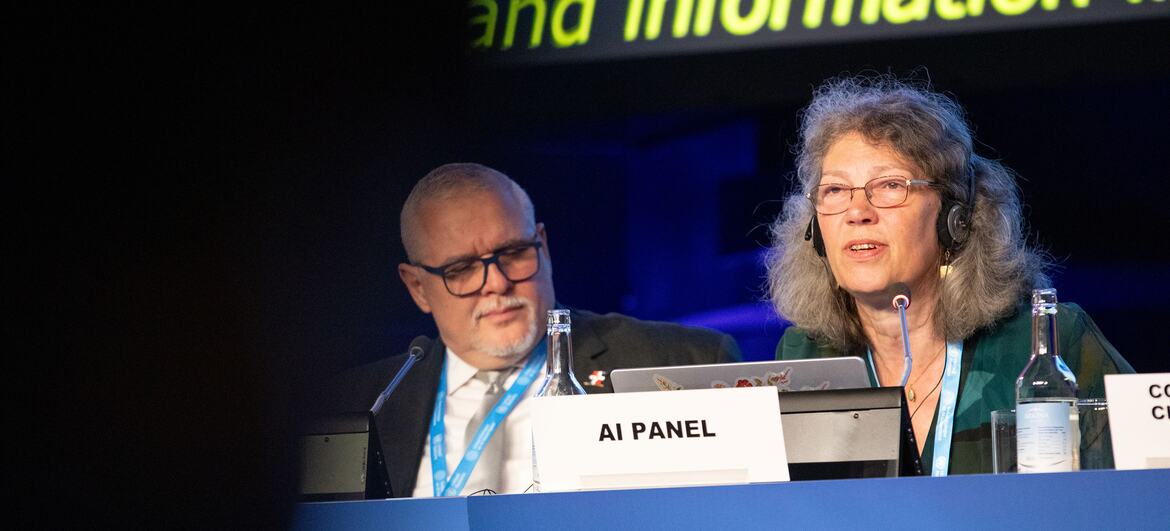
“In 11 countries in the Global South, up to one child per classroom reported that AI was used to create sexually explicit deepfakes. There is a sharp increase in AI-generated child sexual abuse material to NCMEC, the US CyberTip line” said Sonia Livingstone of the Independent International Global Science Panel on AI.
Livingstone highlighted other key findings from the panel’s first preliminary report mandated by the UN General Assembly, arguing that the evidence of AI-related violations against individuals, vulnerable and disadvantaged groups is “much more convincing” than the benefits.
That’s because technology is used.”Creating and amplifying persuasion and deception, spreading disinformation, and creating distrust. ”she claimed that personal data is being “harvested, manipulated, misused and exploited” by self-learning systems.
universal problem
The UN believes that all countries should be involved in deciding how the technology is managed, because AI can bring harm or good.
The first Global AI Dialogue will be held in Geneva on the sidelines of the AI for Good Summit hosted by the United Nations International Telecommunication Union (ITU), followed by the second summit in New York next May.
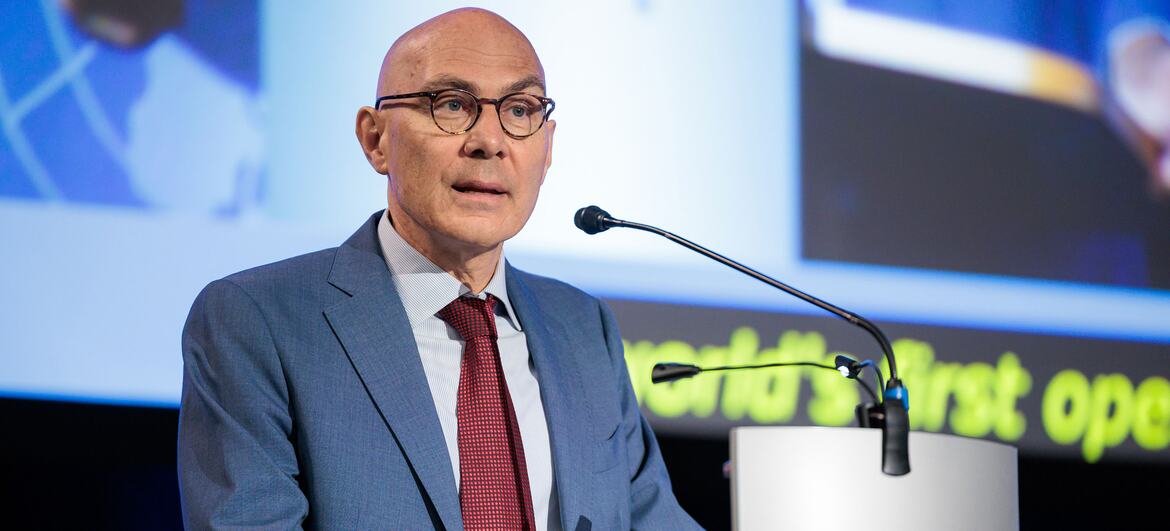
One way to ensure that AI serves humanity, rather than harming it, is to build equity, accountability and human oversight into its design, development and deployment, argued Volker Türk, the UN High Commissioner for Human Rights.
“We don’t see safety standards for pharmaceuticals, cars and aircraft as obstacles to progress; they are the reason people trust these technologies in the first place,” he stressed.
power grab
Among the many unresolved governance issues, one of the biggest is the energy-hungry data centers that power today’s AI platforms, prompting calls for industry-wide transparency from the United Nations Secretary-General.
“Anyone with a cell phone, mobile service, or laptop can connect to the cloud and derive some benefit from AI. The impacts, the negative effects that we’re seeing are very localized.” said Sasha Luccioni, co-founder of Sustainable AI Group.
Some of the world’s most marginalized people are already suffering from “increasingly dire conditions in terms of water, energy and carbon emissions, and in terms of health impacts,” she said.
In addition to the challenge of deciding how to measure the environmental impact of AI, Jhalak Kakkar, a digital policy expert at the Center for Communication Governance at National Law University, Delhi, is concerned about: risks exacerbating existing inequalities in the Global South.
“How do we address the impact that economic and other value is being created so far from the most affected communities?”
code block
It is also becoming increasingly clear that as the development of AI accelerates, legislative checks and balances will be difficult to maintain.
”We need to open the AI black box” argued Morocco’s Amal El Farah Segrushni, explaining that large language models utilize around 180 billion parameters when running 24/7, adding: “Very few lawyers or sociologists are in a position to understand exactly what is going on.”
“Even AI researchers may not have the tools to understand the complexity of these algorithms.”
Trends in online abuse
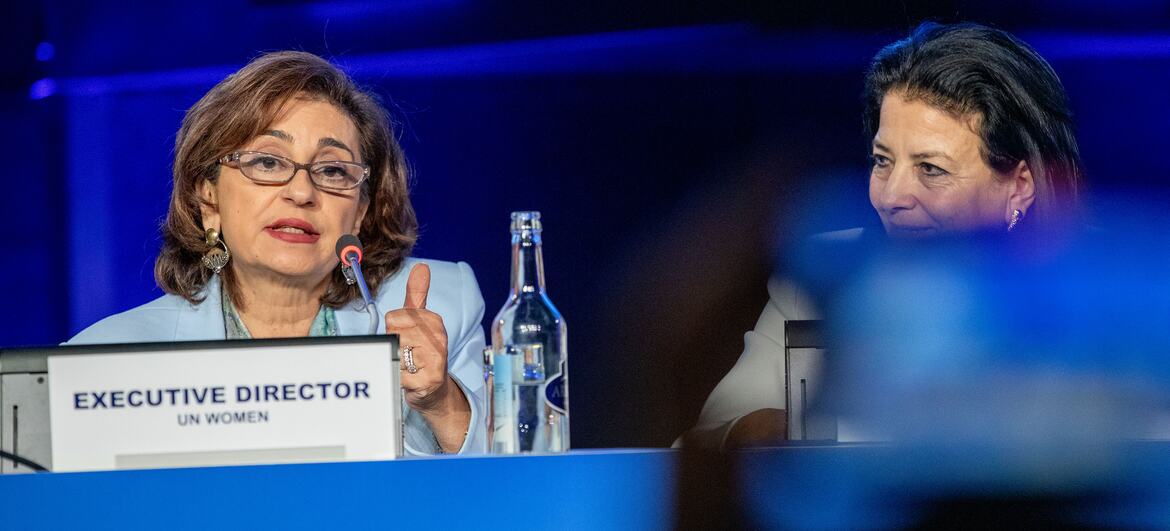
Currently, one in four female human rights defenders, activists and journalists participating in a survey commissioned by UN Women, the United Nations gender equality agency, said they had experienced AI-assisted online violence. 6% said they had been the victim of a deepfake or digitally manipulated image. ”Much of this remains undocumented, unnoticed, and unreported.” said Sima Bahaus, UN Women Executive Director.
Related to this is the fact that “women are largely underrepresented when you look at who’s building AI,” making up only 30 percent of the global workforce in the technology industry, the agency’s director highlighted. According to the report of the Independent International Scientific Committee on AI: 88% of leading AI researchers are male.
universal argument
of Global dialogue on AI governance It exists to ensure that the priorities of all countries are included, not just the most technologically advanced. The United Nations strongly believes that the benefits of AI must be shared by everyone.


