
The introduction of enterprise AI has fundamentally expanded the cybersecurity attack surface, turning data pipelines, model training environments, identity management systems, and supply chains into prime targets that traditional security architectures were never designed to protect against.
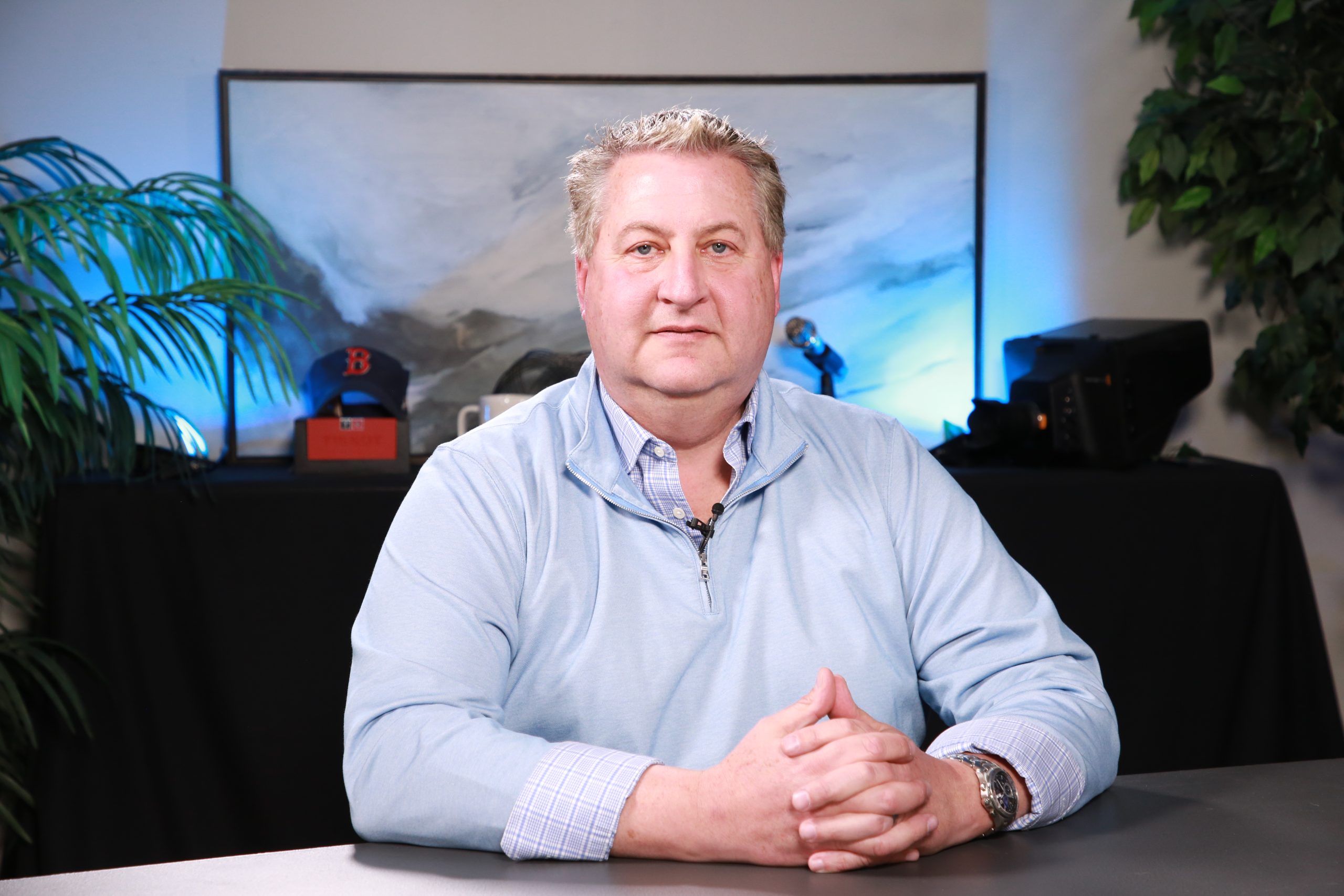
The transition from traditional applications to AI factory infrastructure introduces new types of exposures that organizations are only just beginning to consider. This will be the most important challenge at this year’s Dell Technologies World. According to Steve Keniston (pictured), senior cybersecurity evangelist for portfolio marketing at Dell Technologies Inc., traditional applications may have had a single point of entry, but AI factories now have a chaotic, interconnected set of vulnerabilities across model inference and training data to drive injection and agent workflows.
“AI changes the whole game,” Keniston says. “There’s model inference. There’s model training data. There’s systems that can do things like prompt injection. There’s identity management that you have to consider. These things are changing very quickly. There’s a set of things that are really changing in terms of the attack surface that you have to make sure that you’re locking down as you build this brand new application. With every new application, there’s a new attack surface.”
Kenniston spoke with theCUBE’s Dave Vellante at the “Securing the AI Factory with Dell Technologies and Intel” event during an exclusive broadcast on theCUBE, SiliconANGLE Media’s livestreaming studio. They discussed how AI factories are expanding and transforming enterprises’ attack surfaces, why security needs to be built into systems from day one, and how the human element in recovery is often overlooked. (*Disclosure below.)
Enterprise AI deployments require design-in security, not bolt-on
The urgency of securing AI factories is driven home by real-world enterprise AI deployments. Dell’s services organization currently reports that approximately 85% to 90% of AI projects are abandoned mid-implementation because the security team was not included from the beginning. According to Keniston, this is a sign that security is taking a backseat.
“What it says is it’s still bolted on,” he said. “The last thing you want to do is get to the 5-yard line and have a security guard say, ‘Stop, stop, stop. We haven’t vetted this. We haven’t vetted this. We don’t understand what’s going on.'” What you want to make sure is: [security is] That’s part of it. ”
Our approach treats the AI factory as a single, integrated security surface rather than a collection of individual components. Validated across compute, networking, storage, and data layers, closing the gaps where breaches typically occur. The same thinking extends to the supply chain, with customers now asking integrity questions at nearly every briefing, up from just 1 in 20 two years ago, Keniston said. Zero Trust completes the strategy and allows security teams to think beyond the firewall toward granular identity control of who has access, when, and from where.
“At Dell, we build security into everything we do, from our supply chain to the chips to the devices that reach our customers,” said Kenniston. “where [it] When such systems fail, security falls between the cracks. ”
Stay tuned for the full video interview that is part of SiliconANGLE and theCUBE’s coverage of the “Protecting the AI Factory with Dell Technologies and Intel” event coverage.
(* Disclosure: TheCUBE is a paid media partner for the “Protecting the AI Factory with Dell Technologies and Intel” event. Neither Dell, the sponsor of theCUBE’s event coverage, nor any other sponsor has editorial control over theCUBE or SiliconANGLE content.)
Photo: SiliconANGLE
Support our mission of keeping content open and free by joining the theCUBE community. Join theCUBE’s Alumni Trust Networka place where technology leaders connect, share intelligence, and create opportunities.
- over 15 million viewers of theCUBE videospowering conversations across AI, cloud, cybersecurity, and more
- 11.4k+ theCUBE Alumni — Connect with over 11,400 technology and business leaders who are shaping the future through our trusted, unique network.
About SiliconANGLE Media
Founded by technology visionaries John Furrier and Dave Vellante, SiliconANGLE Media has built a dynamic ecosystem of industry-leading digital media brands that reach more than 15 million elite technology professionals. Our new, proprietary theCUBE AI Video Cloud leverages theCUBEai.com neural networks to deliver breakthrough advances in audience interaction, helping technology companies make data-driven decisions and stay at the forefront of industry conversations.

