
To help you understand the trends surrounding AI and other emerging technologies and what to expect in the future, the experienced Kiplinger Letter team will keep you updated on the latest developments and predictions. (Get a free issue of Kiplinger Letters or subscribe.) Subscribe to get all the latest news first, but we'll publish many (but not all) of our predictions online in the coming days. Here is the latest information…
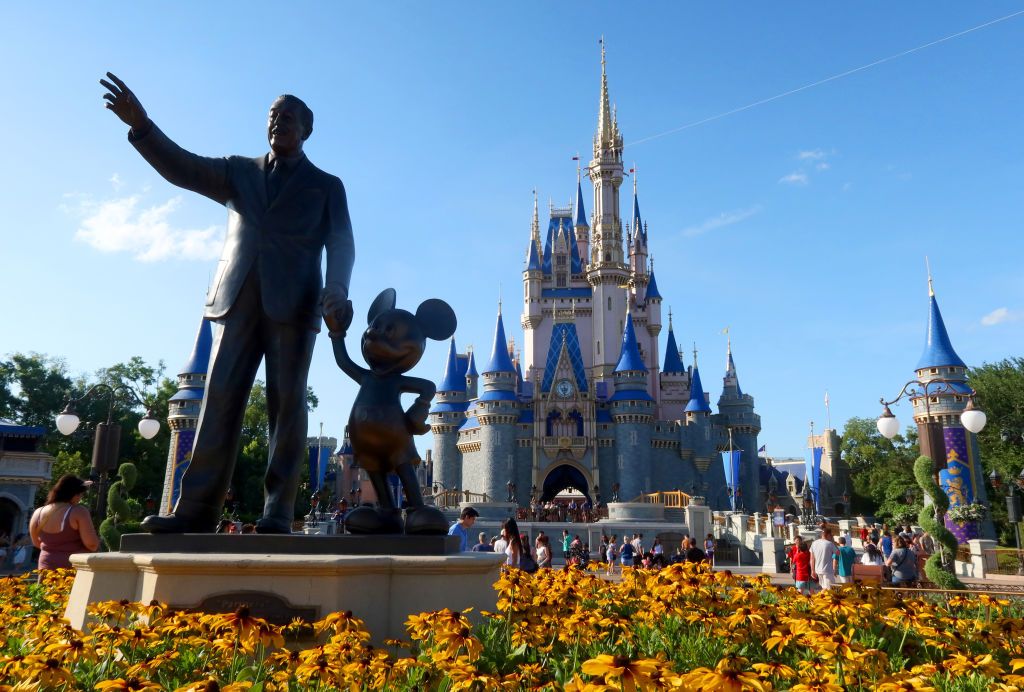
My childhood dream came true. You can now control Mickey Mouse, Yoda, Cinderella and Iron Man. At least in 30 second increments.
In a new deal, Disney will license more than 200 characters to OpenAI's Sora, a social media site for short AI videos. Users can create images and videos of up to 30 seconds by entering a simple text description. (Please note that character voices cannot be used.)
This move is a big win for partner OpenAI, but poses big risks for Disney. Concerns that generative AI could disrupt Hollywood prompted Disney to strike an early deal. This is also an attack on Google, which Disney sees as a bigger AI threat. Google has removed AI-generated videos featuring Disney characters from YouTube after Disney recently sent them a cease-and-desist letter.
Disney's announcement begins by saying, “This agreement is an important step in setting meaningful standards for responsible AI in entertainment,” underscoring the company's defensive stance.
This is an effort to both protect intellectual property and embrace AI, but it's unclear whether Sora's guardrails will always hold up. When Sora launched in October, I wrote about the looming flood of AI video apps and copyright issues: “OpenAI is entering a minefield of trying to police certain content and figuring out where to draw the line, especially for teenage users.”
Disney's brand could be harmed if users were able to generate offensive videos and OpenAI was unable to quickly remove them. Sora's launch featured a slew of copyrighted material in users' videos, drawing the ire of Hollywood.
Disney did not disclose financial terms of the licensing agreement, but did say it would invest $1 billion in OpenAI and become a customer of its tools. If OpenAI's valuation continues to rise, Disney will own a portion of it. With the arrival of Disney characters in early 2026, Sora's popularity is expected to skyrocket. However, Disney's revenue from the three-year deal is expected to be minimal.
“This deal does nothing to alleviate the media and entertainment industry's concerns about disruption from artificial intelligence,” Morningstar analyst Matthew Dolgin wrote in a Dec. 11 research note. But it underscores the power and adaptability of Disney's intellectual property, Dolgin wrote.
Its adaptability could accelerate the growth of serious competitive threats in Sora. The rise of major online platforms such as Facebook has been fueled in part by publishing and media companies offering free content to reach new online audiences. Consider that YouTube, which combines user-generated and professionally produced videos, will generate nearly $40 billion in revenue in 2024 and is currently the leader in TV time with a 13% share.
Disney has announced that it will make some of the Sora videos created by users available on its Disney Plus app. But it's not likely to be very popular. The company wants to build interactive AI video tools in-house and may be working on them. But competing with Sora and other AI video apps, not to mention Facebook and Instagram, is a difficult and expensive challenge. Disney and other media companies are also looking to a future where fans use AI to create personalized episodes and feature-length films featuring iconic characters. The question is: Can media companies handle it in-house, or should they outsource it to AI companies like OpenAI or Google?
As the most powerful media brand with a treasure trove of iconic characters, Disney's deal sets the stage for other media companies to share IP with AI companies and social media sites. Look for a flurry of similar agreements in early 2026.
This prediction was first published in the Kiplinger Letters, which has been published since 1923. This is a concise weekly forecast of business and economic trends and expectations from Washington to help you understand what's coming next to help you get the most out of your investments and money. Subscribe to the Kiplinger Letter.
just from $107.88 Kiplinger Personal Finance $24.99
Become a smarter, more informed investor. Please subscribe from $107.88 $24.99 plus get up to 4 special issues
Click on the free question
Sign up for Kiplinger's free newsletter
Profit and prosper with the best expert advice on investing, taxes, retirement, personal finance and more straight to your email.
Profit and prosper with the best expert advice straight to your email.


