
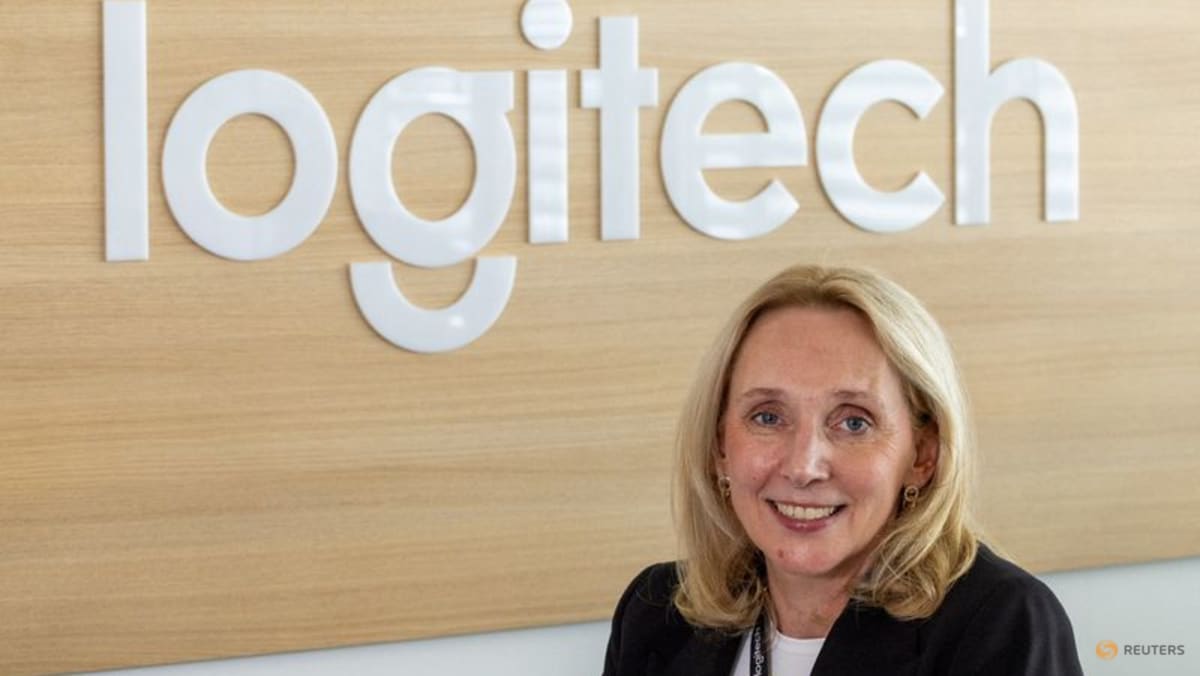
ZURICH, May 8: Logitech International will increase spending on product development and marketing this year, CEO Haneke Faber said, amid growing concerns that the Iran war could slow the global economy.
The Swiss-U.S. maker of keyboards, mice and video conferencing equipment is betting on gaming, business customers and artificial intelligence-enabled devices to maintain growth after cutting costs last year to offset the impact of U.S. President Donald Trump’s tariffs.
The boost comes despite supply disruptions in the Middle East, complicating shipments and expected to reduce sales by about $15 million in the current quarter, after suffering a $5 million hit in the three months to the end of March.
Logitech expects the momentum from the fourth quarter to carry over into the current quarter, with the company aiming for revenue growth of 2% to 4% on a constant currency basis to between $1.19 billion and $1.215 billion.
“We can and should invest,” Faber told Reuters. “The world is rapidly changing with AI, offering so many opportunities.
“We ended last financial year on a very strong financial footing, so we have the firepower to do that,” she added.
Logitech plans to maintain total operating expenses for the fiscal year toward the high end of a long-term range of 24% to 26% of sales, up from 24.8% for the 12 months ending March 2026.
Gaming and business demand appears resilient
Research and development spending to produce new devices was slightly below last year’s levels, but is expected to be about 6% of sales this year, with sales and marketing spending also up from about 16%, Faber said.
She added that gaming remains a key focus, with younger consumers spending more time playing computer games, and the market is resilient.
Logitech is also ramping up efforts to acquire more business customers, with demand expected to remain strong as companies invest in new computer hardware, buoyed by recent strong earnings.
Faber said the company will look at healthcare, education and government as long-term growth areas.
Logitech is protected from rising oil prices, which drive up the price of plastic, because 78% of its products are made from recycled plastic rather than virgin plastic.
Still, the turmoil in the Middle East has hurt sales, as some products can no longer be shipped from factories in Asia to distribution centers in Dubai and other parts of the Gulf and Africa, although demand has held up.
“We don’t see demand for our products decreasing,” Faber said. “It’s logistically difficult to get that to people.”


