Explainable machine learning with bayesian hyper-optimization for predicting cognitive impairment from longitudinal nursing home data

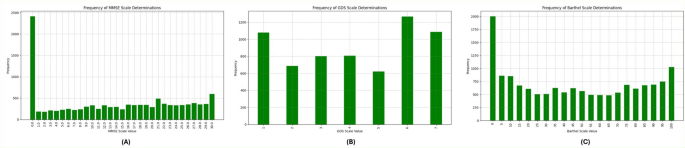
Dataset The dataset used in this study originates from a retrospective cohort of residents from four DomusVi nursing homes in Spain. Ethical approval for the study was granted by the relevant institutional committee (Code: 2023/576). The database contains information from 2,608 residents and includes 4,718,828 activity records collected over a 13-year period (2011–2024). Each entry […]

Continue Reading
Global performance of machine learning models to predict all-cause mortality: systematic review and meta-analysis

Avinash, B. S., Srisupattarawanit, T. & Ostermeyer, H. Numerical methods for information tracking of noisy and non-smooth data in large-scale statistics. J. Eng. Res. Rep. https://doi.org/10.9734/jerr/2019/v6i416957 (2019). Article  Google Scholar  Zhang, J. et al. Guest editorial learning from noisy multimedia data. IEEE Trans. Multimed https://doi.org/10.1109/TMM.2022.3159014 (2022). Article  Google Scholar  Arain, Z., Iliodromiti, S., Slabaugh, G., […]

Continue Reading

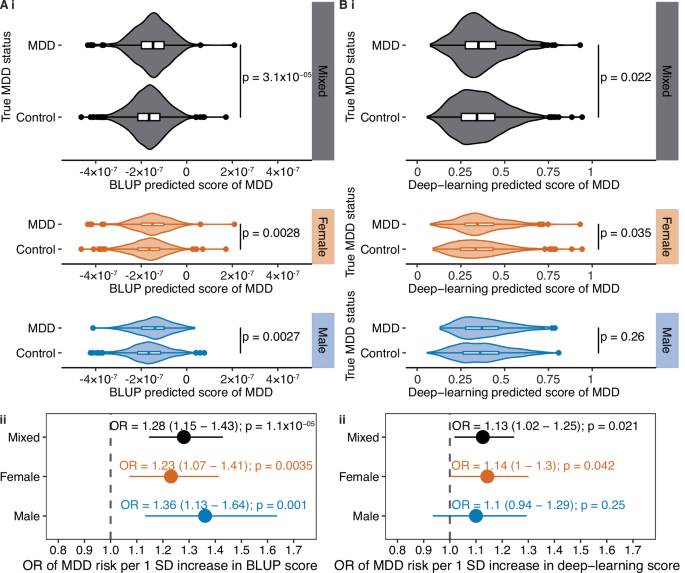
Applying machine-learning and deep-learning to predict depression from brain MRI and identify depression-related brain biology

Vos T, Lim SS, Abbafati C, Abbas KM, Abbasi M, Abbasifard M, et al. Global burden of 369 diseases and injuries in 204 countries and territories, 1990-2019: a systematic analysis for the Global Burden of Disease Study 2019. The Lancet. 2020;396:1204–22. Article  Google Scholar  Herrman H, Patel V, Kieling C, Berk M, Buchweitz C, Cuijpers […]

Continue Reading

Feature selection leads to divergent neurobiological interpretations of brain-based machine learning biomarkers

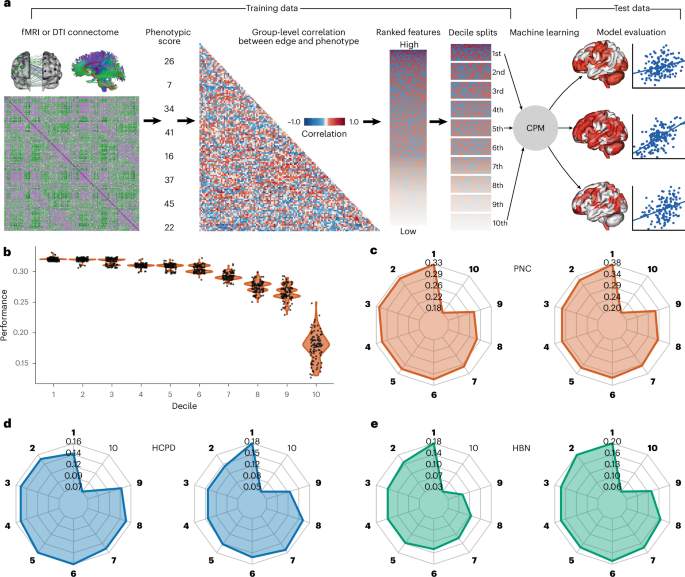
Genon, S., Eickhoff, S. B. & Kharabian, S. Linking interindividual variability in brain structure to behaviour. Nat. Rev. Neurosci. 23, 307–318 (2022). Article  CAS  PubMed  Google Scholar  Sui, J., Jiang, R., Bustillo, J. & Calhoun, V. Neuroimaging-based individualized prediction of cognition and behavior for mental disorders and health: methods and promises. Biol. Psychiatry 88, 818–828 […]

Continue Reading

Using machine learning algorithms to study the relationship between meteorological conditions and air quality parameters

Relationship between NO₂ and meteorological parameters The relationship between NO₂ concentrations and meteorological variables revealed distinct nonlinear dependencies, as captured by all the four algorithms used. Figure 4 presents the predicted versus observed NO₂ concentrations using all seven meteorological parameters. Among the models, the RF and GB algorithms demonstrated superior predictive capability, while the DT and […]

Continue Reading

Finite element neural network method for simulating two-dimensional partial differential equations and identifying parameters

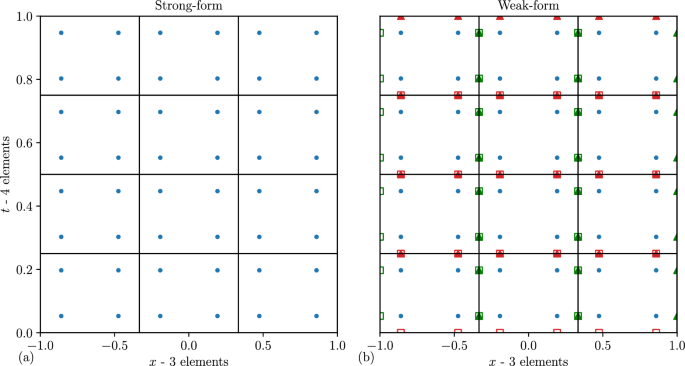
Niroomandi, S., Alfaro, I., Gonzalez, D., Cueto, E., Chinasta, F. Real-time simulation of surgery using low-order modeling and X-FEM technology. internal. J. Number. Method Biomed. engineering 28574–588 (2012). Google Scholar Kuiper, W., Milde, A., Volkwein, S. Reduced Order Modeling (ROM) for Simulation and Optimization: Powerful Algorithms as a Key Enabler for Scientific Computing (Springer, 2018). […]

Continue Reading

Automated machine learning achieves accurate water quality prediction with reduced parameter requirements

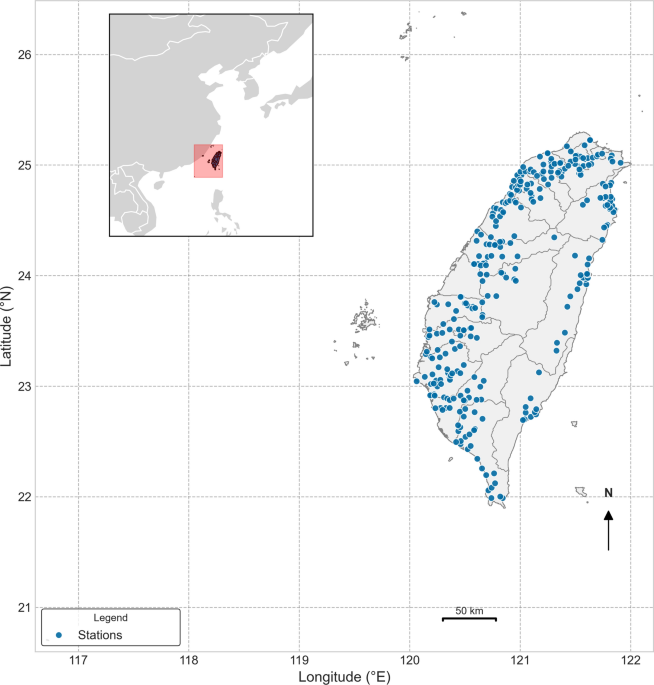
Case study Taiwan’s water quality monitoring system was selected as the case study for this research due to its comprehensiveness and relevance to water resource management in the region. The system is managed by Taiwan’s Environmental Protection Administration and covers rivers, reservoirs, and lakes nationwide, focusing on assessing, reporting, and improving water quality66. Taiwan is […]

Continue Reading

New IAEA research project uses machine learning to more accurately predict changes in polymers under radiation

To address this challenge, a comprehensive and validated database is the first step in data-driven modeling of radiation effects in polymers. A new IAEA Coordination Research Project (CRP) entitled Data-Driven Prediction of Radiation-Induced Structural Changes in Polymers aims to address this gap. The 5-year CRP will create a validated database of polymer-radiation interactions through a […]

Continue Reading