

Press Release – Symphony Construction
Langeveld says the proliferation of AI home design tools is perpetuating the misconception that architecture is simply choosing styles and layouts from a digital catalog.
New Zealand homeowners who base renovation plans on AI-generated designs and reality TV-style timelines that bear little resemblance to real-world building requirements are unnecessarily exposing themselves to significant financial risk, a leading construction expert says.
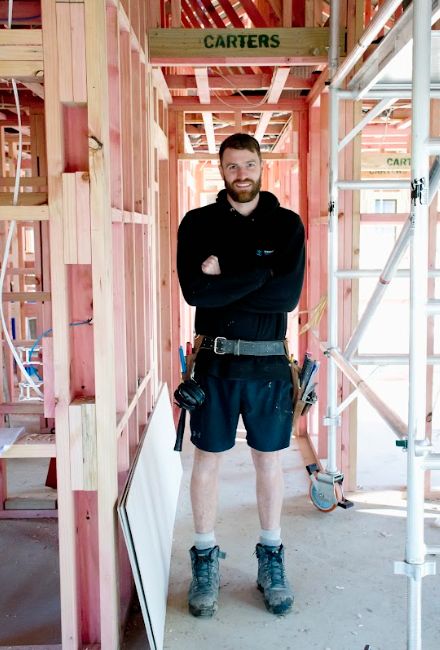
Regan Langefeld, director of Symphony Construction and Master Builders Gold Award winner, says digital design apps and media entertainment formats are oversimplifying the building process at a time when homeowners need precise guidance.
He said AI design tools and renovation reality shows are making the situation worse by presenting versions of the building process that don’t reflect compliance requirements or regional differences.
“AI can generate the perfect room, but it can’t tell you what’s inside the walls or whether the local authority considers the work to be exempt from resource consent. AI can’t understand load paths, moisture management or plumbing locations, nor can it flag when a design triggers additional compliance in one area but not in another.
“As a result, homeowners are presented with digital concepts and edited television timelines that ignore complexities such as structural plans, waterproofing standards, trade coordination, and regulatory obligations.
“Reality TV renovation shows compound the problem by making construction seem quick and easy,” he says. “What you see on screen is a highlight reel, there are engineers and inspectors behind the scenes, and weeks of preparation that never air. None of that reflects the real home renovation and construction process.”
Langeveld says the proliferation of AI home design tools is perpetuating the misconception that architecture is simply choosing styles and layouts from a digital catalog.
“These tools cut out the hard parts. They don’t know what’s possible structurally, and they don’t take into account how plumbing and ventilation will actually go through the house. They can show homeowners what the perfect look will look like, but they can’t tell them how to build it, how long it will take, or the compliance steps behind it,” he says.
Langeveld says builders are seeing an increasing number of AI-generated renovation projects that cannot be built without significant redesign. This includes layouts that interfere with brace lines, cabinets that cover structural fixtures, and bathroom concepts that don’t work with existing plumbing.
“Homeowners come to us with beautiful digital images that look achievable at first glance, but when they peel back the layers, they find structural inconsistencies, missing drainage, or design elements that are impossible to provide safely,” he says.
Langeveld said overseas research shows that renovation reality shows compress television timelines and rely on off-camera labor, subsidized materials and rapid-fire editing that misrepresents what renovations actually require.
“When people see bathroom or kitchen remodels completed between advertisements, they naturally assume the real thing should be just as simple. They don’t see the engineering reviews, order of trade, inspections, etc. that are a big part of real projects.”
He said the combination of AI visuals and TV simplification is creating a “renovation optimism bias” that leaves homeowners unprepared for actual prices, lead times and technical requirements.
“It creates a gap between expectations and reality that falls on homeowners all the time. Homeowners are making decisions based on fantasy workflows that don’t exist outside of an app or TV.”
Langeveld urges homeowners to seek professional advice early before deciding on a design or budget.
“Talk to your builder first. This is the quickest way to understand what is possible, what is compliant, and what you actually need to achieve a safe, durable, and well-executed renovation.”
Content source scoop.co.nz
Original URL


