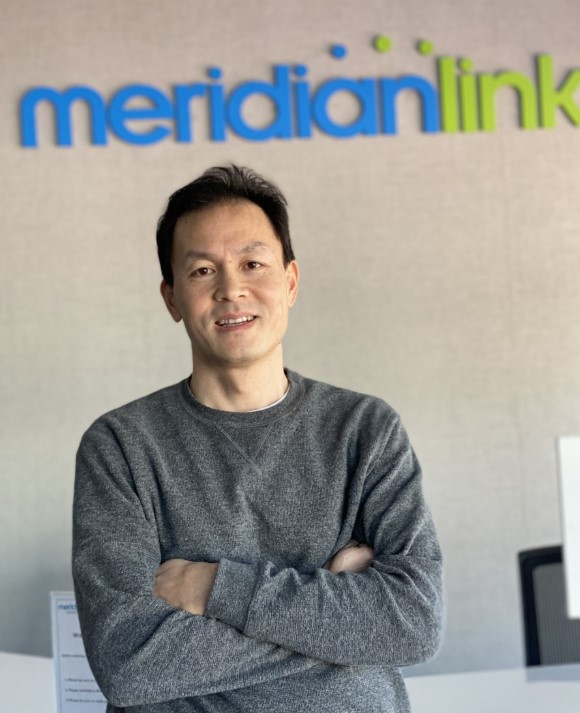

Editor's note: Tim Nguyen, a Vietnamese refugee, co-founded financial software company MeridianLink in 1998, which went public and was sold in November in a $2 billion deal. Nguyen is the 2021 recipient of the Business Journal Innovator of the Year award. Doug Wilson is co-founder of the CEO Leadership Alliance Orange County (CLAOC).
In 1919, Branch Rickey revolutionized baseball by creating the modern farm system, a structured player development pipeline that transformed the St. Louis Cardinals from a small-market team to a powerhouse.
Ricky understood that sustained success required growing talent from within rather than competing for fully formed talent.
A century later, Orange County faces a similar tipping point. Our economic competitiveness depends on our ability to not only hire, but develop a workforce that is AI-savvy and equipped with the adaptive, human-centered skills that will define tomorrow's industries. The next generation of innovators, entrepreneurs, and leaders are already sitting in our classrooms. What's needed now is a coordinated effort between education and business to build a “farming system” for Orange County's future workforce.
AI in the classroom
Employers no longer just need workers who can use AI. We need thinkers who understand how AI works, can creatively solve problems with AI, and can adapt as technology evolves. That foundation of fluency needs to be built in kindergarten through high school education.
The groundwork has already been laid in forward-thinking school districts across Orange County. They prove that thoughtful AI integration can do more than improve instruction. It sparks curiosity, builds lasting skills and strengthens the local talent pipeline that will power the region's economy for decades to come.
Anaheim: Personalize your learning
Anaheim Union High School District (AUHSD) is demonstrating how public education can prepare students for the large-scale response of an AI-driven economy. Rather than adding piecemeal technology tools, the district has invested in modern infrastructure and a unified learning platform that unifies data and personalizes instruction. This next-generation learning platform secures and centralizes data to enable AI, power personalized learning, and give students ownership of their learning.
– Key findings: AUHSD students graduate at high rates and, when they go on to universities like UCI, outperform their peers in GPAs and retention rates. This proves that technology-enhanced, personalized learning builds both readiness and resilience.
– Real-World Readiness: Through partnerships with many local companies and global leaders such as Google, AUHSD students participate in AI-assisted work-based learning experiences that connect classroom learning to real-world industry needs. AI-powered Career Advisors and Tutors, which are being rolled out, will give all students 24/7 access to academic support, career paths, pay data, and mentorship opportunities. As a result, more students will pursue high-paying technology jobs after high school.
– Human Skills at the Center: The district focuses on the “5 Cs” of communication, collaboration, creativity, critical thinking, and compassion, ensuring that technology amplifies, rather than replaces, the qualities that make great leaders, teams, and great companies grow.
The success of the AUHSD model reflects its dynamic leadership. Outgoing Superintendent Michael Matsuda and incoming Superintendent Jaron Freed are recognized as national leaders in transforming public education. Both leaders have actively promoted the use of AI as an equalizer, a tool for deeper learning, fostering citizen participation, and promoting equity. Their pioneering efforts have set a high standard for both the region and the nation.
Westminster: Early start on the pipeline
At the elementary and middle school level, the Westminster School District, led by Dr. Gan Marie Hansen, is showing an early start in preparing for AI. The district offers comprehensive training for teachers to explore AI tools more deeply. Westminster is giving educators more time to build meaningful connections with students by introducing an AI co-pilot for teachers that automates planning and administrative tasks. Students get a personalized AI tutor available 24/7, and parents get valuable insights to increase engagement at home and support their child's success. Westminster classrooms use AI to teach algorithmic thinking through games, introduce discussions about bias and ethics, and connect learning to future careers, all while grounding innovation in human connections. This early experience fosters curiosity and confidence and helps all children see themselves as part of the region's future workforce.
OC Ministry of Education
At the county level, Dr. Stephen Bean's 5-3-1 strategic plan makes AI one of the five key levers to promote educational excellence. His vision extends beyond technology implementation to incorporating AI as a framework for teaching emotional intelligence, expanding career technical education, and expanding innovation across the district.
The plan focuses on systems alignment that connects AI fluency to social-emotional learning, career exploration, and civic engagement, positioning Orange County as a national model for how local education ecosystems can adapt to the future of work.
Build a modern “farm system” for your talent
Business leaders have an equally important role to play. Doug Wilson, co-founder of CLAOC and co-founder and CEO of the National Talent Collaborative, is building its modern farm system. A direct link between schools and employers. His organization works to create structured pathways that connect high school and college students to real-world projects, internships, and mentorship opportunities with local businesses.
Wilson's model reflects Rickey's original insight into developing talent before reaching the major leagues. In this case, Orange County schools are a farm system that develops AI-savvy, career-ready students, and its businesses are major league and ready to welcome a generation of homegrown innovators.
Overcoming hurdles: “Pilot Purgatory”
The path to implementing AI in schools is not without its challenges. Widespread access to generative AI tools has created a new wave of experimental purgatory in the district. This purgatory refers to a common scenario in which schools experiment with different AI tools without successfully implementing a consistent district-wide strategy. The result is often
Fragmentation, wasted resources, and overall impact are minimized because schools cannot move from “pilot” to full-scale implementation.
To overcome this challenge, schools need strong leadership, effective technology platforms, and strategies to systematically integrate AI into teaching and learning practices across all grade levels and subjects. Rather than being “just one more thing” that teachers have to deal with, these platforms should provide an enjoyable user experience and seamlessly collect data that facilitates personalized education.
Infrastructure for coordination
To support this next-generation ecosystem, eKadence Learning Foundation is building connective tissue between students, teachers, and industry. Its learning platform integrates AI-powered learning with career exploration and teacher development to ensure classroom innovation connects to workforce readiness. This type of infrastructure helps educators focus on relationships and relevance, and provides businesses with a trusted view of emerging talent and skills.
Call to action: collective leadership
The message to Orange County business and education leaders is clear. Our competitiveness depends on investing together now in AI fluency and human capabilities. Anaheim Union High School District, Westminster School District, and OCDE-directed schools are examples of what is possible. So does the CEO Leadership Alliance Orange County. But continued success requires alignment between the classroom and the boardroom, between learning and income, between innovation and inclusion.
We must move beyond pilots and promises to scalable partnerships that develop local talent, connect students directly to meaningful jobs, and ensure Orange County remains a place where businesses grow when people thrive.