
By Natalie Lan, Bloomberg
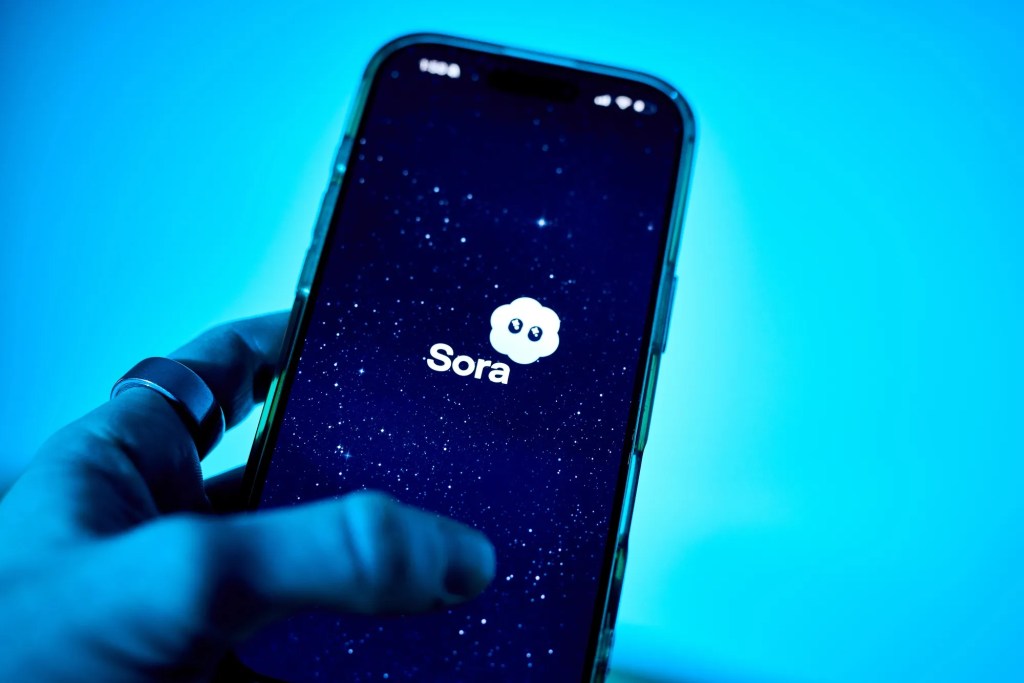
A week after OpenAI announced it was shutting down its artificial intelligence video generator Sora, competing tools like Kling AI and RunwayML have already emerged.
Kling AI, a video generation app owned by China’s Kuaishou Technology, averaged 2.6 million weekly active users worldwide last week, up 4% from the previous week, according to iOS and Android data shared with Bloomberg News by market intelligence firm Sensor Tower.
Even before OpenAI announced it was shutting down Sora, Kling AI led the world in monthly active users, averaging 7.8 million in March compared to Sora’s 4.7 million. (The Sora website and app will be retired on April 26th, and the developer platform will be retired on September 24th later this year.)
Other apps saw increases as well. RunwayML and Vidu each saw a 1% increase in weekly active users during the same week. (Runway AI Inc.’s app is only available on Apple Inc.’s app store, while Beijing Shengshu Technology Co.’s Vidu is available for both iOS and Android.) In another sign of investor confidence in their technology, both Runway and Shengshu raised new funding in February.
OpenAI’s decision to discontinue support opens the door for smaller rivals to gain users and make money in a niche where demand from creatives, filmmakers and marketers is surging. Alphabet Inc.’s Google, Meta Platforms Inc., and Elon Musk’s xAI have also built text-to-video and image-to-video conversion capabilities within their respective chatbots over the past year. These companies do not publish specific usage numbers for those features. With the exception of Meta’s video generator, which can only be accessed on the Meta AI website or within the app, most companies offer video models in their developer tools for individuals or businesses.
Sora was released as a standalone app last fall to much fanfare. It attracted users with easy-to-use tools and social features to share their creations with others. Global downloads jumped 4,400% to nearly 5 million in the first month after launch, according to Sensor Tower data. However, its popularity did not last long. The number of monthly active users has been decreasing every month since the beginning of the year.
Sora’s death also highlighted that AI video generators tend to be expensive to run and require far more computing power. OpenAI said it is closing Sora to streamline its product roadmap and shift resources to robotics research. This is only a small portion of OpenAI’s revenue, despite being a resource-intensive tool. According to Sensor Tower, Sora has generated $1.4 million in global in-app net revenue since its launch, compared to $1.9 billion in net revenue for the ChatGPT app during the same period.
The retreat of one giant company could benefit Kring AI. A day after OpenAI’s announcement, Kling AI’s parent company Kuaishou told analysts on an earnings call that it expects Kling AI’s annual revenue to more than double this year after the tool’s revenue rose from more than 300 million yuan in the previous quarter to 340 million yuan ($49.3 million) in the fourth quarter. The tool has helped boost overall sales for the Beijing-based internet company, which has long been known to lag behind ByteDance-owned TikTok in short video streaming.
Like OpenAI, these rivals will need to balance user demand with the computing costs of providing such AI tools if they want to avoid a similar outcome. It remains to be seen whether Kling AI will be enough to re-accelerate Kuaishou’s overall growth. The company’s price target was lowered by some analysts concerned about the return from increased AI investment.
See more articles like this at bloomberg.com
©2026 Bloomberg LP


