
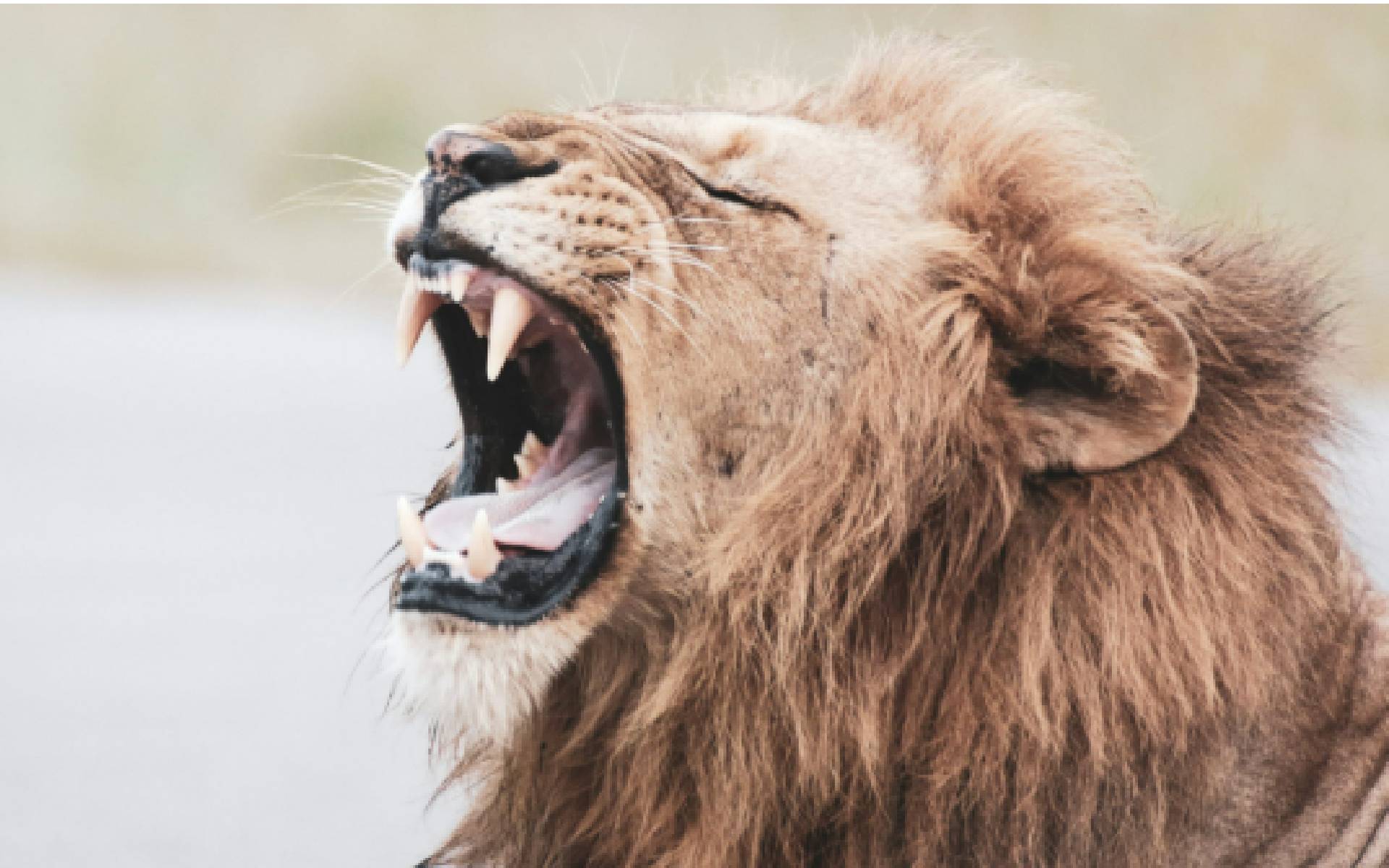
A new era of lion communication research
The African lion’s iconic roar has long been a symbol of raw power, but thanks to advances in artificial intelligence, it is now revealed to be a complex, coded communication system. New research published in journal ecology and evolutionshows that machine learning can accurately decipher the personal identity and intentions hidden in a lion’s vocal performance, a feat impossible with the human ear alone.
Scientists analyzed a huge dataset of calls recorded from lions in Tanzania using a sophisticated method involving two conditions. Gaussian Hidden Markov Model and K-means clustering algorithm. The study revealed that a single roar sequence contains multiple different phonetic phases, including a “previously undefined intermediate roar” that has never been classified before.
High accuracy identity detection
The use of AI has allowed researchers to classify these voice types in impressive ways. 84.7% accuracy. Simplifying the model to only two acoustic metrics (maximum frequency and duration) increased the success rate to 95.4%.
Importantly, this study confirmed that all lions have distinct vocal characteristics. By focusing on the full-force roar that is automatically detected, the system’s F1 score for personal identification accuracy is 0.80~0.87. This breakthrough enables non-invasive remote monitoring of lion populations.
Conservation impact
The ability to identify individual lions without physical tags or collars is expected to revolutionize conservation strategies. Lions use roars to claim territory and maintain social structure, so deciphering these acoustic fingerprints provides unprecedented insight into lion behavior and population dynamics.
This study focuses on differences in vocal parameters between lions in Tanzania and lions in Zimbabwe, and although it acknowledges that variation exists between lion populations, the method provides a cost-effective alternative to traditional monitoring.
The fusion of machine learning and bioacoustics is fundamentally changing wildlife research. By translating the savannah’s complex symphony, researchers have gained powerful new tools to track individual predators, support population estimates, and ultimately enhance conservation efforts around the world.


