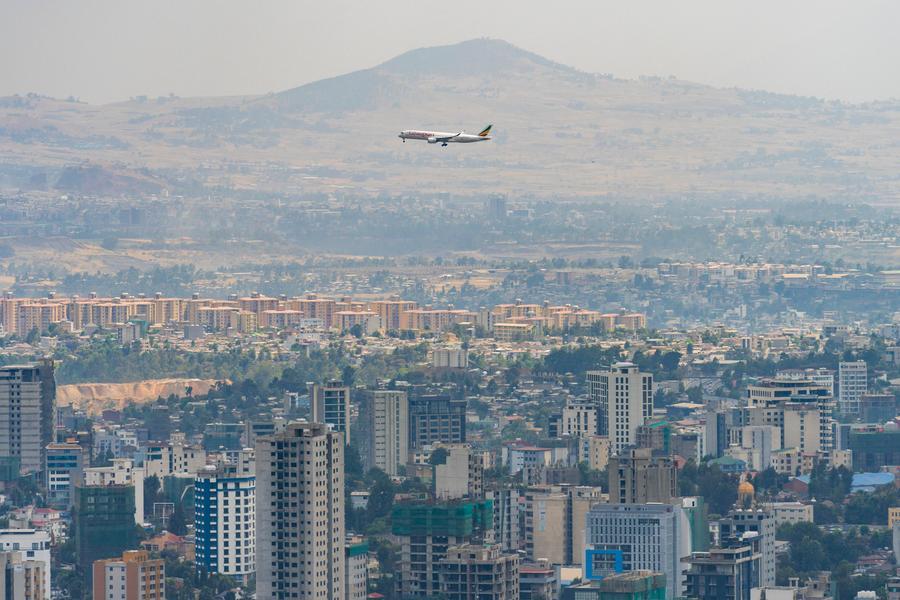
Ethiopian government officials said cooperation between Ethiopia and China in meteorology and early warning systems, powered by artificial intelligence and other emerging technologies, is making important progress in mitigating climate risks and increasing disaster response capacity.
ADDIS ABABA, July 25 (Xinhua) – Cooperation between Ethiopia and China in meteorology and early warning systems, powered by artificial intelligence (AI) and other emerging technologies, is bringing important progress in mitigating climate risks and increasing disaster response capacity, Ethiopian government officials said.
Ethiopian Meteorological Institute (EMI) Deputy Director Asaminew Teshome, in a recent interview with Xinhua, highlighted the growing partnership with the China Meteorological Administration (CMA) and other Chinese partners to integrate cutting-edge technology into the East African country’s national weather system.
Noting that the weather and climate system transcends national borders, Mr. Teshome emphasized that strategic partnerships and collaborative efforts with Chinese institutions are strengthening EMI’s ability to achieve its vision of providing world-class weather and climate services to Ethiopia.
Highlighting the recently signed Memorandum of Understanding (MoU) between EMI and CMA, Teshome said, “We are working closely with the China Meteorological Administration on various aspects.”
He said that under the MoU, the two organizations have identified various priority areas for cooperation, including technical cooperation, capacity building, joint research on weather and climate forecasting and disaster mitigation.
He said the two countries are also actively cooperating in promoting and leveraging cutting-edge technologies such as AI, machine learning, and related emerging technologies to generate more accurate and scaled-down weather and climate information.
“We live in the age of artificial intelligence, the age of modern technology. It is very important to adopt and use new technologies to enhance and create more accurate weather information,” he said.
One example mentioned by the EMI Deputy Director is the continued cooperation on the Multi-Hazard, Alert, Zero Gap, Universal (MAZU) system.
MAZU, China’s intelligent weather early warning solution, is an advanced platform that can provide customized services for specific application scenarios. According to CMA, it will integrate cutting-edge AI and physical prediction models with monitoring technologies such as weather satellites to provide more accurate weather forecasts.
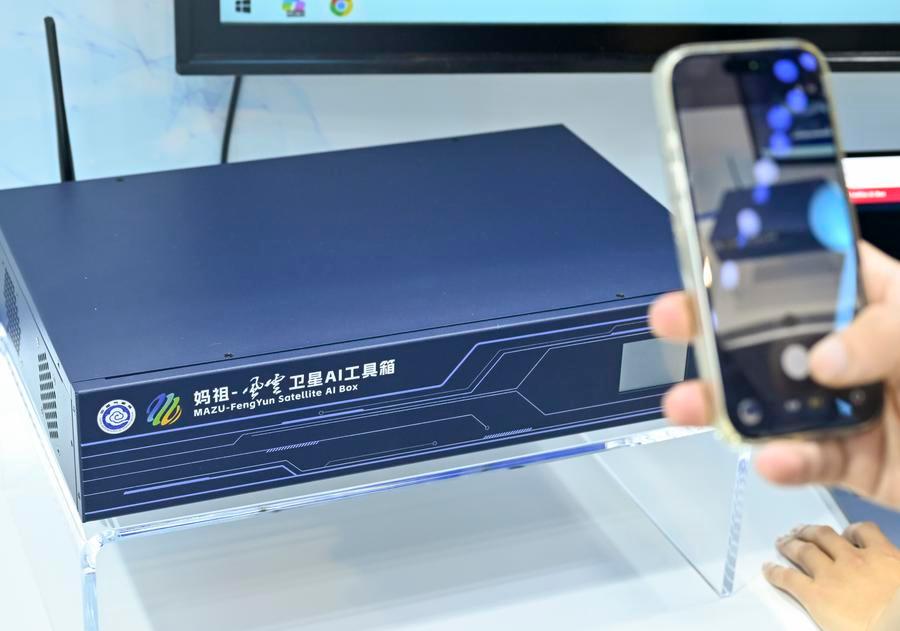
Citing the lack of stakeholder coordination in data exchange as a major challenge hindering disaster response to extreme weather events, Tesholm said one of the objectives of the MAZU system is to generate more accurate weather information by facilitating data exchange between key stakeholders.
“The MAZU system fills a gap in data exchange mechanisms. It integrates various satellite products with local weather stations. It produces more customized and more scaled-down weather and climate information,” he said.
According to this person, CMA has already finalized the configuration and installation of the MAZU system and installed it at EMI. Following comprehensive technical training provided by visiting Chinese scientists, Ethiopian experts are now gearing up to manage the platform.
“This is the first of its kind in Africa and our institute has already successfully secured the MAZU system. We are now beginning to operationalize the MAZU system to generate nowcasting as well as short-range forecasts,” he said.
Mr. Teshome also unveiled the institute’s plans to leverage this enhanced operational expertise and technical knowledge to share best practices with other African national meteorological and hydrological service agencies.
He further emphasized the importance of human resource development as a key pillar of this bilateral collaboration, with many Ethiopian scientists receiving advanced short-term and long-term academic training at leading Chinese universities and specialized research facilities managed by China’s meteorological authorities.
In addition to its headquarters, EMI currently operates 11 regional centers, more than 1,400 traditional weather stations, and 550 automated weather stations across the country. These facilities specialize in providing high-quality weather forecasts, climate research, and early warning recommendations to national stakeholders. ■