Exploring the role of AI in streamlining the construction and installation of offshore wind farms
Artificial intelligence (AI) is revolutionizing many industries, and the offshore wind sector is no exception. The role of AI in streamlining the construction and installation of offshore wind farms is becoming increasingly important, offering promising prospects for the future of the industry.
The offshore wind industry is playing a key role in the global transition to renewable energy. But building and installing these giant wind turbines in the middle of the ocean presents unique challenges. These include severe weather conditions, logistical complexity and the need for precise planning and execution. This is where AI comes into play, providing solutions that help overcome these challenges and optimize the entire process.
AI significantly improves the planning phase of offshore wind farm construction. AI can use predictive analytics to analyze vast amounts of data from a variety of sources, including weather patterns, ocean currents, and geological surveys. This analysis helps identify the best locations for wind farms, optimize turbine layouts to maximize energy production, and predict potential problems that may arise during construction. .
AI can also streamline the logistics of transporting and installing the huge components of wind turbines. Machine learning algorithms can optimize routes for vessels carrying these components, taking into account factors such as weather conditions and transport traffic. This not only reduces transportation time and costs, but also minimizes the risk of delays and accidents.
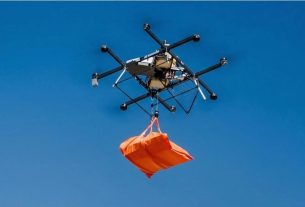
During the installation phase, AI plays a key role in ensuring accuracy and safety. For example, AI-powered drones can be used to inspect installation sites and turbine components, providing real-time data to help make informed decisions. AI also helps control the cranes used to lift and install turbine components, reducing the risk of human error.
Once wind farms are commissioned, AI will continue to play a key role in optimizing their maintenance and performance. AI can monitor the performance of each turbine, identify anomalies, and predict potential failures. This enables preventive maintenance, reduces downtime and improves the overall efficiency of your wind farm.
However, the integration of AI in the construction and installation of offshore wind farms is not without challenges. These include the need for robust data infrastructure, the risk of cyberattacks, and the need for skilled personnel to manage and interpret AI systems. So while AI has immense potential, addressing these challenges is critical to maximizing its benefits.
In conclusion, AI is playing an increasingly important role in streamlining the construction and installation of offshore wind farms. AI is helping overcome the unique challenges of this industry by improving planning, optimizing logistics, ensuring accuracy during installation, and enhancing maintenance. As the world continues to transition to renewable energy, the integration of AI in the construction and installation of offshore wind farms will become even more important. Thanks to AI, the future of the offshore wind industry is certainly bright.