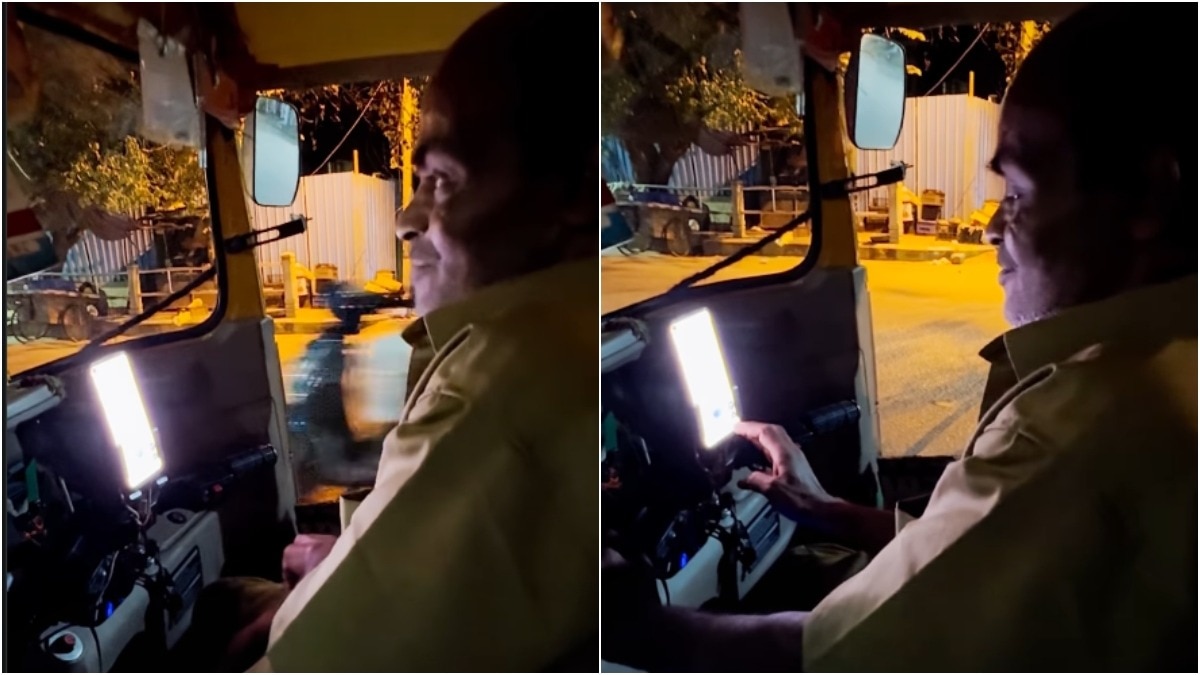
A Bengaluru auto driver wowed the internet with his in-depth understanding of ChatGPT as he explained how he uses an AI chatbot to learn, problem-solve and converse in Kannada.
In a video that is currently going viral, a motorist tells content creator Gagan Saiprasad that ChatGPT has become a part of his daily life. Whether they have a question, want to understand a new topic, or need clarification in Kannada, chatbots are often their first stop, he says.
Speaking in Kannada, he explains that normally people type their questions in English, but ask the chatbot to respond in Kannada, which makes complex topics easier to understand. He’s particularly impressed with ChatGPT’s ability to remember previous conversations, saying he can connect current queries to what he asked months ago.
The conversation then moves to the chatbot’s voice capabilities. When drivers learned that ChatGPT could enable real-time voice conversations, they were eager to try it out. The video shows the AI not only generating a written response in Kannada but also speaking it out loud, and he is visibly impressed.
Driver also offers some thoughtful critiques. He said he asked ChatGPT several questions related to astrology, including topics like zodiac signs and sublords, but the answers were sometimes incomplete or inconsistent. In his view, the problem may simply be that chatbot knowledge in these specialized areas is not comprehensive enough yet.
Watch the video:
His honest assessment resonated with viewers, many of whom praised his curiosity and willingness to embrace new technology. Some users said the video challenged stereotypes about who uses artificial intelligence and highlighted how accessible such tools have become.
The reel eventually reached OpenAI’s official Instagram account, which responded with a light-hearted comment in Kannada thanking the drivers for sharing their experiences.
What started as a casual conversation in a car has since gone viral as a reminder that artificial intelligence is finding users in the most unexpected places, and that curiosity, not occupation, often shapes how people interact with technology.
– end