Some so-called digital marketing experts, especially at larger companies, say that blogging is dead.
This couldn’t be further from the truth, especially considering changes in search like AI overviews and the endless stream of trust customers demand.
Blogging, contrary to what some shady marketers claim, builds trust over time. It's not a quick win. It's a long-term strategy that grows over time. If Warren Buffett were a marketer, he'd be a blogger.
Over time, blogging will increase your brand awareness, attract qualified leads and ultimately strengthen your revenue.
Many ecommerce and service-based business leaders believe that blogs are unnecessary, but this is an outdated mindset. As audiences evolve and AI changes the way people search for products, content is key to reaching new customers and nurturing existing ones.
Blogging is far from dead, and it's more important than ever for brands and business leaders.
As AI continues to dominate search and people’s attention spans become increasingly shorter, here’s why every business should put more effort into blogging.
The way we shop online is changing
According to the latest data from Google, around 53% of customers research online before purchasing a product or service.
Informative content can influence a user’s purchasing decision or help them make the right decision. It’s obvious.
But even if your brand doesn’t appear at the top of search results for competitive keyword searches, there’s still a great opportunity to use content to get your brand in front of customers. Your content might appear under “People Also Ask” or as a blue organic link below the shopping carousel.
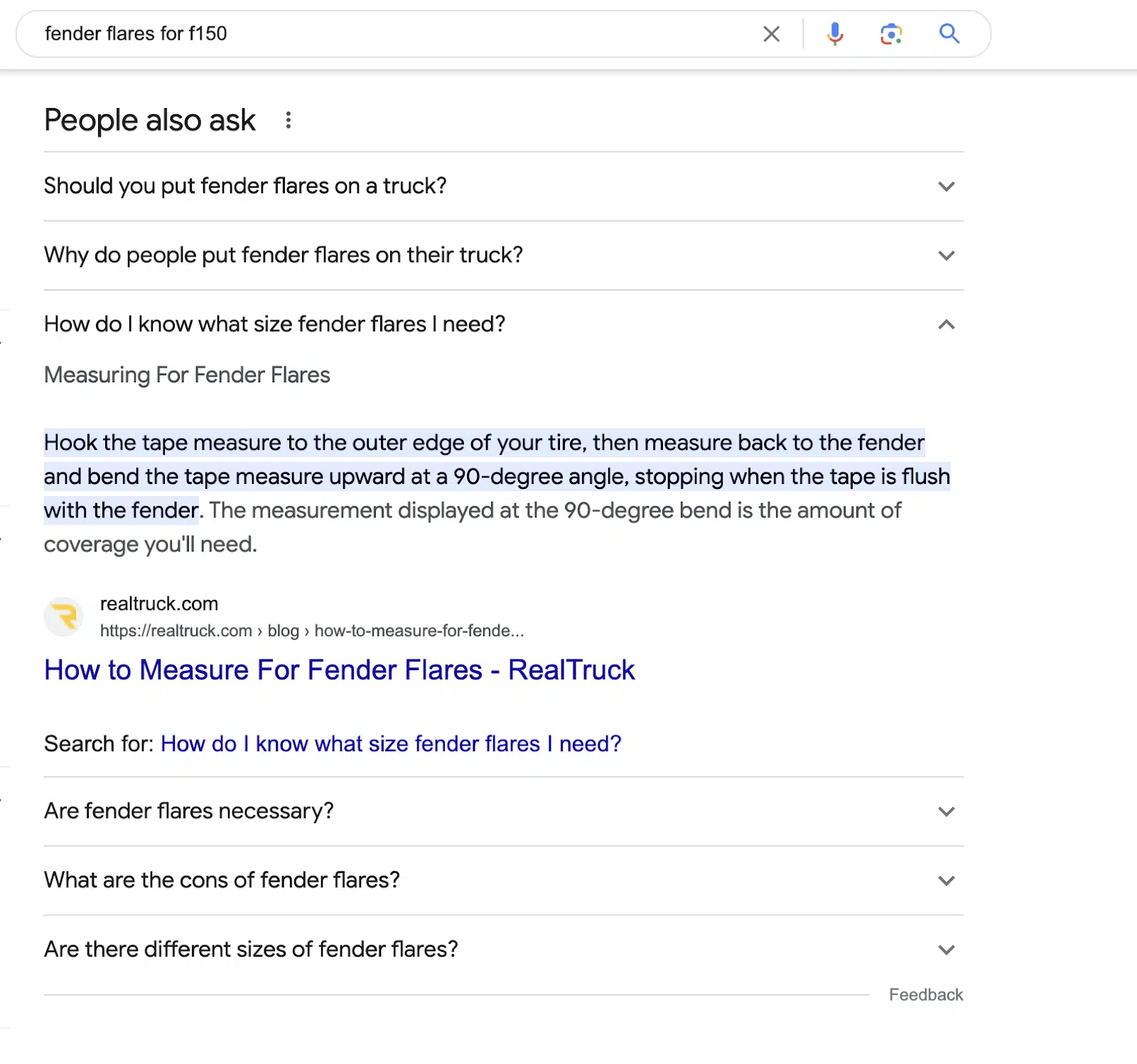
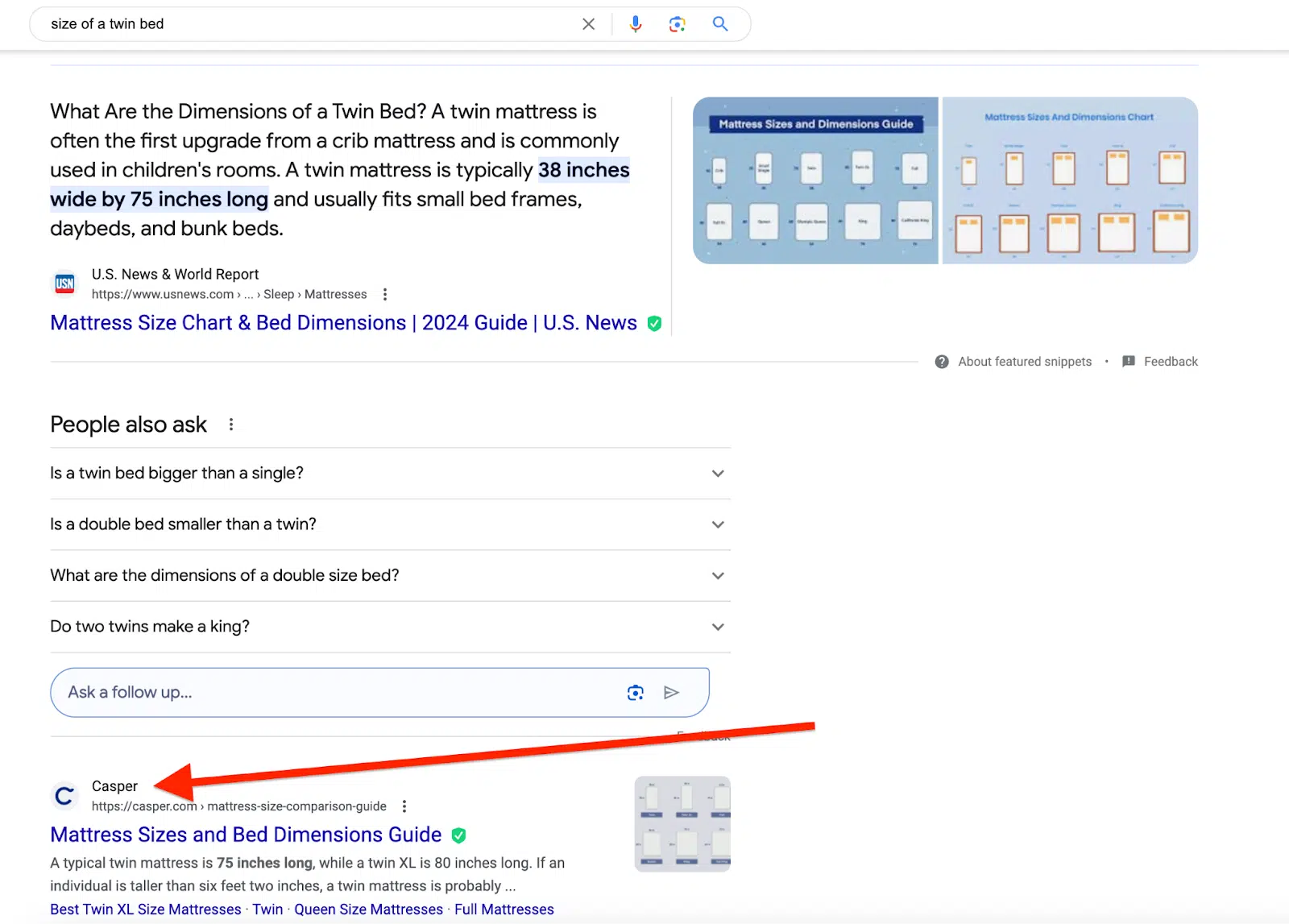
Similarly, creating content that includes referral links to your products or store is a great way to reach customers who are still in the research stage. Check out how Casper uses content to raise awareness of their mattresses and pillows.
Content helps you survive generative search
It's not just customers whose behavior will change, but also Google itself.
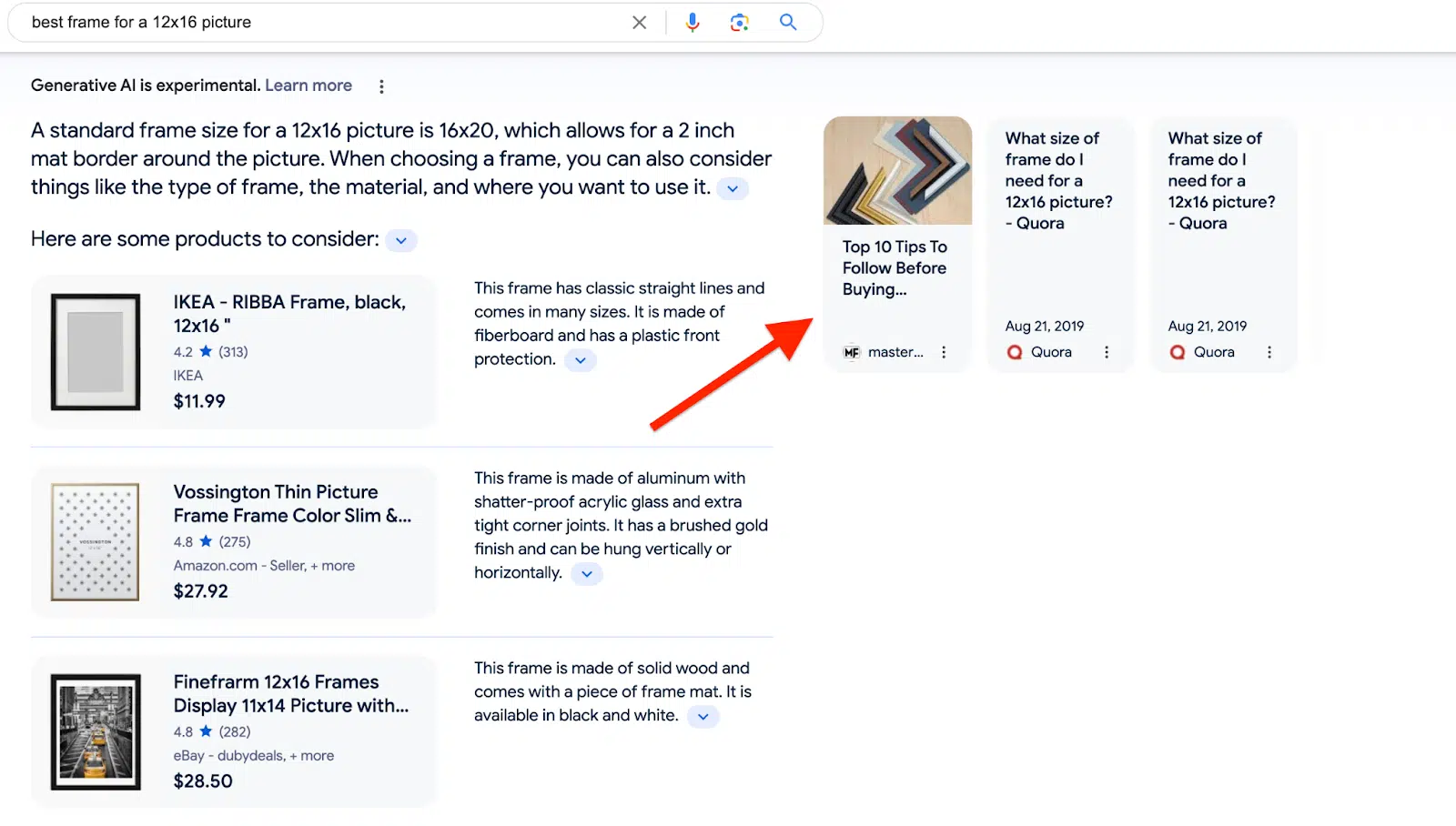
Google's foray into AI is now a reality, and AI Overviews has the potential to fundamentally change the way you search for products.
The AI-generated results combine product, blog, and local pack results to provide customized, personalized results.
While it's difficult to influence which products show up in Google's AI-powered results, you may be able to get some success by creating custom content for long-tail keyword searches.
Brand ethics are more important than ever
Research shows that most consumers are more likely to be loyal to brands that practice sustainability and ethics. This is especially true for younger generations, who place more importance on corporate responsibility than older generations.
Creating blog content about the various endeavors of your business is a great way to tell your story and engage with your audience.
Nordstrom runs a blog called Nordstrom Now that details what they're doing as a company, and Kohl's and many other brands are doing the same.
Blogging Builds Brand Loyalty
Surprisingly, the fastest path to brand loyalty may be content marketing.
A Vietnamese study found that relatable digital content marketing increases customer brand loyalty, and another study in the Pakistan Journal of Social Sciences found a similar relationship.
Blogging is the ultimate way to reach out to your customers and influence their perception of your brand.
Examples of power content to experiment with include:
- Content that shows the human side of your brand.
- Content that entertains and resonates with audiences through storytelling.
- Educational content that guides and empowers customers to make positive decisions.
Authorship is powerful for branding
People are more likely to link to and share content from people they trust, and establishing your authorship on the platform is an easy way to build that trust.
I've worked with a surprising number of C-level executives who have never considered sharing their knowledge through blogs or other platforms.
There is great value in building the authority and reputation of your business or personal brand by sharing knowledge you have gained directly from your industry on your blog.
Encourage more company leaders to write blogs and share them on their social media networks to build reputation and loyalty for your business.
Get the newsletter search marketers trust.
Blogging helps optimize conversions
Blog content is a powerful tool in all areas of the sales funnel.
At the top of the funnel, useful content is a great free resource to attract visitors to your site. Once on your website, offer an incentive that compels people to provide their contact information for lead follow-up, such as signing up for a newsletter.
Then, once your leads are further down the funnel, you can use your content to nudge them towards making a purchasing decision.
At my digital marketing company, we help our clients make decisions with technical SEO checklists and evergreen guides delivered directly from our blogs. These blogs also provide independent value and increase the authority of our brand.
You can also repurpose your evergreen content into visually stunning eBooks and downloadable content to further boost your company’s credibility.
Blogs can be reused across multiple channels
Blog content can be easily reused across multiple channels, helping you reach even more customers outside of your immediate area.
Consider repurposing your existing blog to create something like this:
- Email newsletter.
- Social media posts.
- LinkedIn Newsletter.
- Webinar.
Blog topics and information can also be repurposed into other digital media, such as video and audio, and placed on other platforms your company already uses.
Conversely, it's always a good practice to blog anything you share externally to build a second source of traffic. For example, a video you share on YouTube can be posted on your blog along with a short, informative article, which will help it rank higher in Google's algorithm.
Business Blog Guidelines
I've written extensively about blogging strategy over the years, and here's a quick summary of the key points.
A step-by-step guide to creating a content strategy
- Define your goals: Clearly define what you want to achieve with your content: it could be increasing brand awareness, generating leads, improving customer engagement, etc. Make sure these goals are Specific, Measurable, Attainable, Relevant, and Time-bound (SMART).
- Understand your audience: Collect data on your audience's demographics, preferences, and pain points to create detailed buyer personas. Refine these personas using surveys, social media analytics, and customer feedback.
- Conduct a content audit: Review your existing content to identify what's working and what's not, which helps you understand the gaps and plan future content that will fill them and align with your audience's interests.
- Plan your content: Based on your audit, plan different content types that address different stages of a buyer's buying journey. Incorporate blog posts, videos, infographics, and podcasts to diversify your approach.
- Scheduling and Management: Use a content calendar to schedule your content effectively, which helps you maintain a consistent publishing schedule and keeps your audience engaged.
- Measure and optimize: Continually track how your content is performing with key performance indicators (KPIs) like traffic, engagement rates, conversion rates, etc. Use this data to fine-tune and optimize your strategy over time.
Always be SEO-conscious
- Focus on user intent: Tailor your content to your audience's questions and needs, which includes understanding the intent behind search terms and providing comprehensive answers.
- Optimized for voice search: With the rise of digital assistants, optimize your content for conversational queries, which means using natural language and question-based keywords.
- Leverage AI and machine learning: Use AI-powered tools to analyze the success of your content and personalize content offerings based on user behavior.
Increase engagement with interactive blogging features
- Questionnaires and Surveys: Embed interactive polls to engage your readers and gather their opinions on various topics.
- Infographics and visual data: Use tools like Canva or Venngage to create eye-catching infographics that simplify complex data.
- Downloadable resources: Offer a downloadable eBook, white paper, or checklist that provides added value in exchange for their email address to help with lead generation.
By implementing these guidelines and taking advantage of the recommended tools, you can significantly strengthen your blogging strategy, making it more aligned with your business goals and serving the needs of your audience.
Business Blog: A World of Untapped Opportunities
In the e-commerce space, where brands compete for a small share of digital real estate, blogs generate an entirely separate traffic stream that is just as valuable to your business.
I've seen businesses expand in the e-commerce space, blogging about everything from aftermarket truck parts to at-home fitness products.
The best thing about a business blog is that you can write at your own pace or hire a team of professional writers. Note that we say professional. You wouldn’t want a trained pest control expert blogger to create content for lawyers and vice versa to provide briefs.
Plus, unlike advertising, traffic doesn't disappear as soon as you turn off the funding tap. Traffic grows with compound interest, helping to improve your authority, rankings, and ultimately, your revenue.
Contributors are invited to create content for Search Engine Land and are selected based on their expertise and contributions to the search community. Contributors work under the supervision of editorial staff, and contributions are checked for quality and relevance to our readers. Opinions expressed by contributors are their own.