“We are confident that several of these initiatives will generate further momentum this year. [initiatives] “The scale is getting bigger in terms of projects,” Siva Ganesan, head of Tata Consultancy Services' (TCS) AI cloud business, told This Week in Asia.
Ganesan said some projects will involve more rapid integration of AI into business operations such as manufacturing, and he added that he expects deployments in sectors such as financial services, retail, travel, transportation, life sciences and healthcare.
More companies are launching AI-enabled pilot projects, according to a TCS report that surveyed 1,300 senior executives across 24 countries about the impact of AI on their business..
Some 57% of respondents in the report expressed optimism about the potential for AI to transform their business, and 55% said they plan to change their business model or offering.
Generative AI employs machine learning models to generate new data by identifying and replicating patterns from existing data, efficiently handling tasks such as creating text, images, and other types of content.
Several companies and organisations in Asia are already early adopters of generative AI.
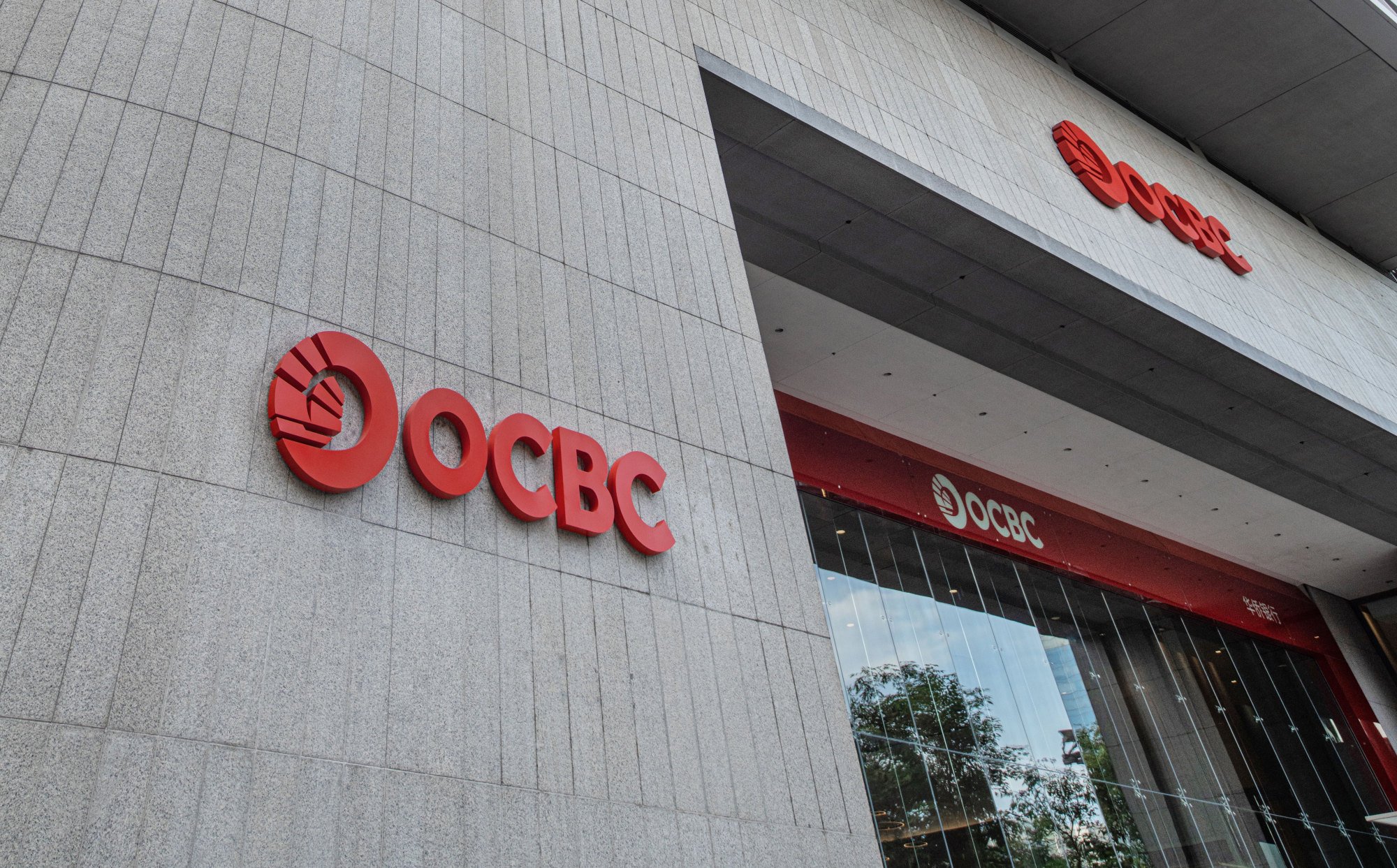
Last year, Singapore-based bank OCBC said it would introduce a chatbot based on the technology for its staff around the world to use in areas such as writing and research. OCBC's partnership with Microsoft's Azure OpenAI aims to improve productivity and customer service.
The University of Tokyo has partnered with search giant Google to use generative AI to tackle the challenges of Japan's shrinking workforce, including making job seekers more accurate when searching for jobs, the Mainichi Shimbun reported on Wednesday.
More than 50% of executives expect AI to eventually have the same or greater impact as the internet or smartphones, according to a TCS survey.
Surveys show that enterprise leaders recognize the value of investing in AI, but because of the fast pace of technology evolution, most leaders lack a consistent strategy for measuring the success of their AI implementations.
“What we need now is to embrace and assimilate all these new technologies,” Ganesan said. “I think we've all seen in the last 18 months or so that generative AI has been a big revolution,” he added.
For companies to adopt new technologies, they need to understand new business models and “how to deploy them responsibly.”

The rapid advancement of AI has raised concerns that it may replace humans in many jobs.
While automation and information technology have traditionally enabled humans to perform many mundane tasks, various studies have shown that AI has the potential to replace highly skilled jobs in a range of fields, from legal services to top-level management roles.
As everyday use of generative AI by workers is expected to increase, human creativity and strategic thinking will become essential for “competitive differentiation,” according to the TCS report.
“New types of jobs and roles are being created as employees continue to train and learn,” Ganesan said. “AI will not replace humans, but will complement them in these new roles.”
Executives attending a June 12 webinar titled “Augmenting People and Organizations with AI,” hosted by INSEAD Business School, said that rather than worrying about job replacement, workers should be thinking more about how AI can augment their roles.
To realise the potential productivity gains offered by AI, companies will need to redesign their work processes, they said.

02:24
Japanese AI app can detect pain in cats
Japanese AI app can detect pain in cats
According to a TCS survey, while there is a strong desire among companies to adopt AI, they face various obstacles in doing so.
Among the key challenges identified by business leaders in the report were disparate IT infrastructure that was not prepared for the integration of AI technologies and insufficient implementation support from IT vendors.
The report found that the majority of respondents want more global rules and standards governing the use of AI, as many countries in the region do not have comprehensive rules in place to regulate AI, creating uncertainty for companies looking to adopt the technology.
“As you deploy AI, you have to make sure you meet the fundamental regulatory and compliance needs for AI,” Ganesan says.
“I wouldn't say it's a hindrance in the sense that it prevents things from happening, but at the end of the day, statutory matters are obligations so it's a factor that has to be considered in the design and rollout.”