
TOMRA Recycling announced three deep learning applications for PolyPerception’s new AI platform and GAINnext technology, coinciding with TOMRA increasing its investment in PolyPerception to a 51% majority stake.
PolyPerception’s new platform represents an evolution in AI-powered waste analysis solutions and is designed to improve separation performance through end-to-end materials tracking. Apparently, the platform’s natural language interface allows operators to “chat” with plant data in plain language and ask questions such as, “How did the collection line configuration change affect purity?” The platform understands context and provides instant natural language answers with data breakdowns.
The platform is said to have “write” capabilities and can act like an agent within the plant. In addition to observing material streams, TOMRA says it can proactively create custom quality reports and set operational alerts based on its deep expertise in the recycling process. Administrators can also query waste statistics and purity levels through their own dashboard without having to log into another system.
The platform also features two search methods that allow plants to adapt to changing feedstock flows. Similarity search allows operators to right-click on a problematic object and instantly identify all other visually similar items in the stream. This can be used to discover fire hazards such as batteries without having to train new AI models. Through text search and brand search, users can search for specific brands or object types to see what is moving through their facility in real time.
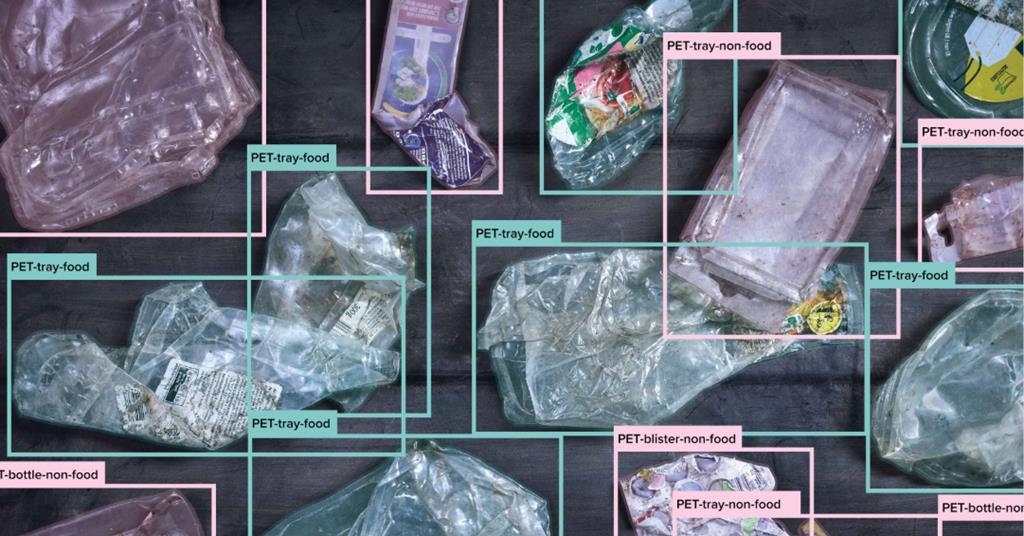
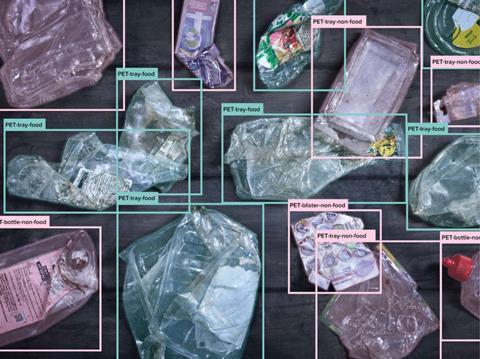
TOMRA is also introducing three new deep learning applications for the GAINnext ecosystem. The first application is aimed at addressing the growing demand for food-grade PET trays, with the system able to differentiate between take-home or supermarket trays and consumer or medical packaging based on shape and use, reportedly achieving purity levels of over 95%.
In the metals sector, TOMRA is launching a high-precision application of “copper meatballs” with the new GAINnext, which automatically identifies complex copper-steel composites such as motor armatures even in oxidized or dirty streams, delivering “unsurpassed” selectivity and helping recyclers upgrade rebar-grade scrap to high-grade furnace feedstock.
The third application is a high-throughput solution for the recovery of used beverage can aluminum from packaging streams, launched in North America and now being adapted for the European market. According to TOMRA, the GAINnext UBC application provides up to 33 times more throughput than manual sorting, achieves greater than 98% purity, and instantly detects and eliminates non-UBC materials.
In related news, over the past 16 months, Nestlé, along with eight other partners, has joined a consortium to pilot Zest’s AI-driven solution to visualize and reduce food waste and redistribute surplus to people, helping an estimated 94,133 people across charities and organizations. According to Nestlé, the pilot demonstrated that AI can connect siled data points on a production line, map where food waste and surplus occurs in real time, and identify actions for reduction and redistribution.
This month, Avery Dennison announced a $75 million minority investment in Williot to expand investment in physical AI for the supply chain. The companies plan to “significantly strengthen and expand” their joint go-to-market efforts to accelerate the adoption of digital ID for physical goods across industries including retail, logistics and food. Avery Dennison will receive a seat on Williot’s board of directors in addition to his existing board observer position.
If you liked this story, you may also enjoy:
The ultimate guide to packaging innovation in 2026
Packaging and packaging waste regulations: What you need to know in 2026
Everything you need to know about global packaging sustainability regulations
Strategic lessons learned from the Sustainable Packaging Summit


