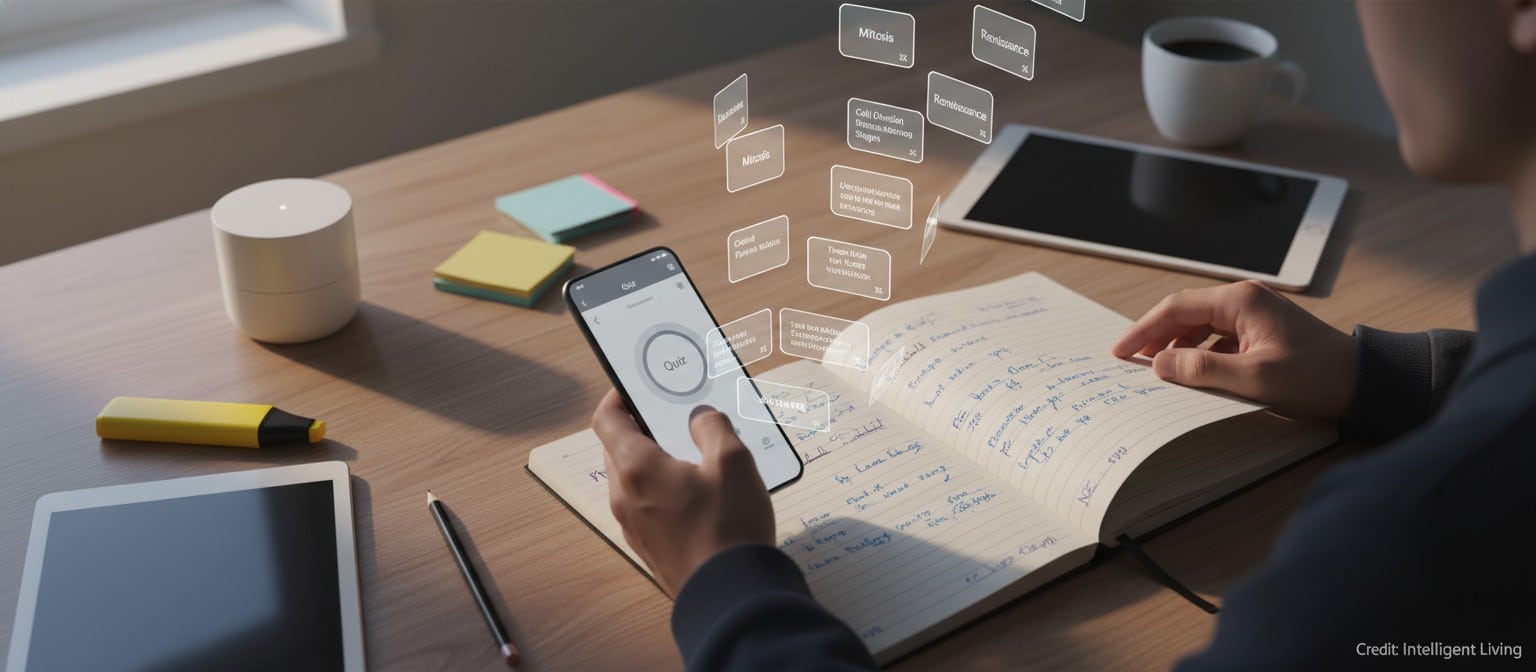
As millions of students seek ways to reclaim their focus, Gizmo is scaling a platform that turns idle scrolling into active learning through automated retrieval practice. This AI-powered study app recently surpassed 13 million users worldwide and successfully secured $22 million in Series A funding to expand its adaptive learning features and global engineering team.
The company builds engaging habit loops for learners by using the same motivation tricks that keep people scrolling through social media feeds, turning that energy into study momentum.

Gizmo AI Funding and Features: How the Adaptive Learning App Scales for 13 Million Users
Core Metrics and Milestones: Gizmo AI Investment, Global User Base, and Retrieval Practice Tools
A closer look at core mechanics helps clarify how the application functions for the average user. Rapid growth in AI learning technology signals a shift in how students handle daily academic pressure.
- User milestone: 13 million learners, spread across more than 120 countries
- Funding: $22 million Series A
- Lead investor: Shine Capital (as reported in the funding coverage)
- Supported inputs: Students can process diverse file types, including PDFs, class notes, and video links, to build their study sets.
- Core idea: turn notes and study material into AI quizzes, flashcards, and short practice sessions
Series A is a simple phrase for a big moment: it usually means a young company has convinced investors it can grow beyond early adopters and build a bigger team. Rather than reinventing pedagogy, the current expansion prioritizes making existing learning methods accessible to a global audience.

What Does Gizmo Do, In Plain English?
From Notes to Questions in Minutes
Gizmo turns study material into practice questions. A learner uploads class notes, a PDF, or a link, and the app generates quizzes and flashcards meant for short bursts.
Gizmo provides a streamlined way to automate flashcard generation from notes and aims it at a very modern problem. Busy learners often find long study blocks overwhelming, which makes five-minute adaptive practice sessions a more realistic way to master new material.
Shifting study time into small, manageable increments provides immediate benefits for daily schedules. A student with a backpack full of worksheets can squeeze in a few questions while waiting for practice to end. This quick experience feels closer to texting than to traditional cramming.
Why Streaks and Leaderboards Can Change Study Habits
The app also tries to keep people coming back with streaks and competitive features that resemble the “one more scroll” loop. The psychological mechanics of gamification can push behavior through feedback and variable rewards. Features like streaks and leaderboards encourage learners to finish ten questions before bed rather than getting lost in endless video feeds.
Applying behavioral design principles helps the platform transform effort into a consistent routine, ensuring that study pressure doesn’t turn into unnecessary guilt.
What The AI Can Get Wrong
AI can speed up practice, but it can also hallucinate, oversimplify, or misunderstand shorthand notes. Think of large language models as predictive technology rather than factual oracles, which helps you stay aware of potential mistakes. Consequently, the safest habit is to treat generated questions as practice prompts and double-check anything that feels inconsistent.
A common failure mode is easy to picture. Imagine a student writing a rushed note like “mitosis steps.” The AI might guess the missing details, resulting in a quiz question that looks polished but is slightly wrong.
The fix is simple: use the AI for drilling and practice, then always confirm the final details in your original notes.
Why Quizzing Often Beats Rereading
The learning method itself is not new. The benefits of retrieval practice are well-documented, showing why testing memory improves long-term retention.
That does not prove any single app guarantees results, but it explains why turning personal notes into practice questions can feel more effective than highlighting the same paragraph five times.

The Global Shift Toward AI-Powered Education: Normalizing Retrieval Practice in the Digital Classroom
Mainstream Adoption of Generative AI for Homework and Daily Study Habits
AI help for schoolwork is no longer rare. About a quarter of U.S. teens now use ChatGPT for school assignments, making AI help a normal part of the modern study routine.
Widespread use of generative AI tools is fundamentally altering how students manage schoolwork at home. Leaners today often expect technology to translate messy notes into actionable practice material.
Tracking Global Educational Outcomes and the Demand for Effective Learning Recovery Tools
At the same time, the pressure around learning outcomes has not eased. Updates from the National Assessment of Educational Progress show average scores remain below 2019 levels.
Those numbers do not point to one cause, and they do not prove an app will fix anything, but they help explain why families are trying tools that promise more active practice with less friction.
Educational Policy Challenges: Balancing Phone-Free Schools with Structured Digital Learning Integration
Classroom environments are evolving as educators rethink how smartphones fit into the learning process. Debates surrounding digital integration in phone-free schools point to a practical reality: taking devices away is only half the story, because students still need structured digital habits when devices are allowed.
Analyzing Recent Research on School Phone Policies and Student Wellbeing Outcomes
Finding a clear consensus on phone restrictions remains difficult because the evidence is often complicated. A 2025 analysis of how phone restrictions impact student well-being found that restrictive policies did not automatically improve outcomes, which supports a bigger point: tools and rules work best when they change habits beyond the classroom.
Empowering Educators and Parents as Mentors for AI Literacy and Student Success
Consequently, educators are adopting roles as AI mentors to ensure students use technology for practice rather than shortcuts. Mentors encourage students to verify AI-generated answers, showing them how to use these tools as practice partners rather than shortcuts.
Greater awareness of smartphone influence on adolescent development also sharpens that instinct. This awareness is vital when school stress and late-night scrolling habits collide.
For a more clinical view of what healthy boundaries can look like, the APA health advisory on teen social media highlights practical guidance around supervision, sleep, and developmentally appropriate use.
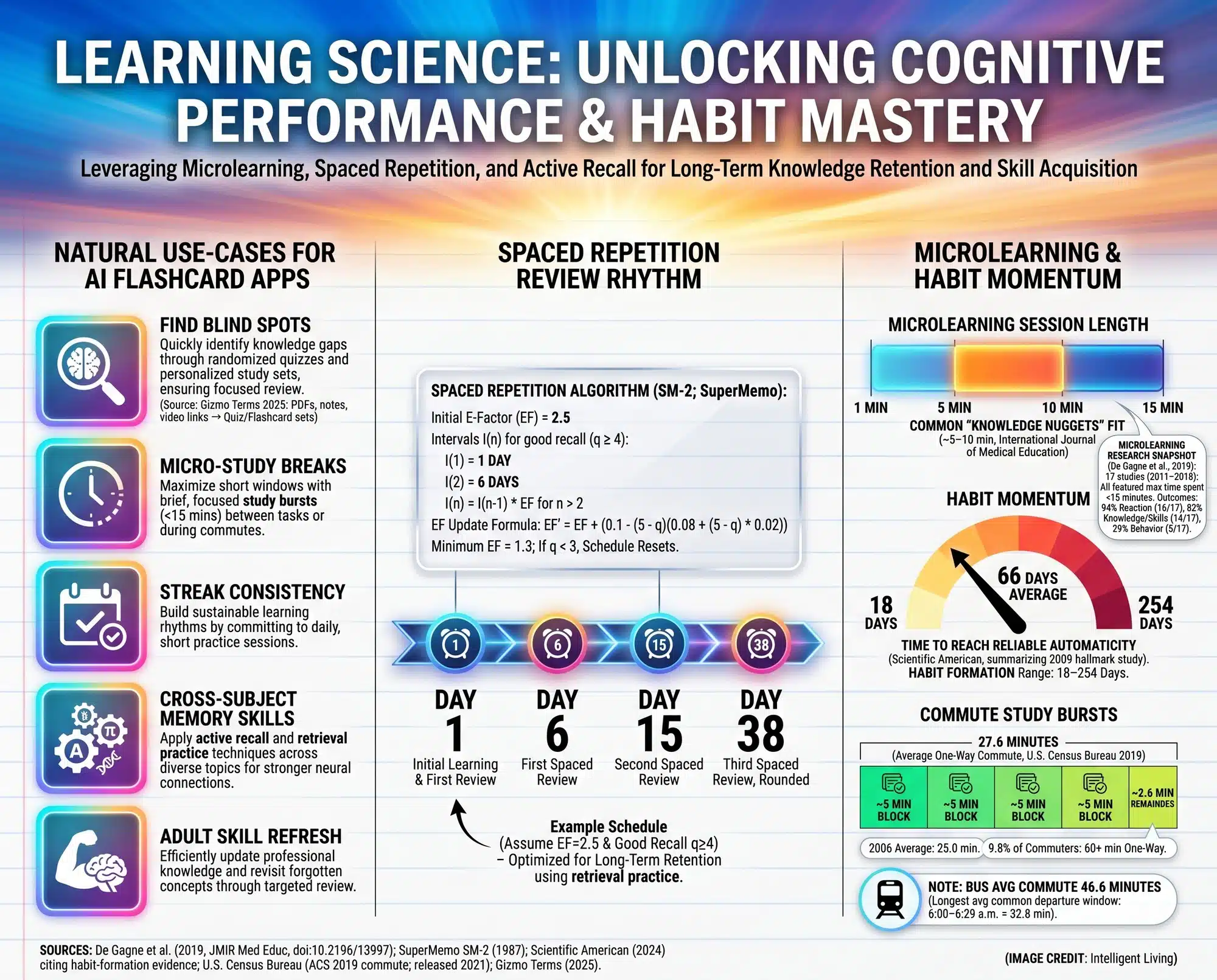
Practical Applications: 5 Realistic Ways Students Use AI Flashcard Apps to Master New Subjects
A funding round does not automatically change daily life, but it can accelerate what people already do. Here are five realistic ways AI flashcard apps like Gizmo may show up next.
- Cram sessions with fewer blind spots: converting messy notes into interactive questions exposes specific knowledge gaps before an exam.
- Micro-study during dead time: a commuter can run three quick quizzes between stops instead of vanishing into scrolling.
- Streak-driven consistency: tiny daily practice is often easier to sustain than weekend panic studying.
- Study skills that travel across subjects: Applying effective memory techniques remains vital whether the topic is biology, history, or a certification exam.
- Skill refreshers for working adults: Blended learning tools increasingly rely on adaptive professional development rather than passive lectures.
As these tools spread, the biggest shift may be cultural rather than technical: studying starts to look like short, frequent practice instead of one long session that gets postponed. For many people, the win is not “more studying”; it is a study routine that finally fits real schedules.

Ensuring Data Privacy and Trust: Critical Considerations for AI Study App Users
Transparency in Study Data: Understanding the Gizmo Privacy Protocols and Age Requirements
When an app learns from your study material, privacy becomes a primary concern for the product. The Gizmo privacy notice outlines how the company manages user information to maintain a safe environment.
- Age Restrictions: Children under 13 are strictly prohibited from using the service.
- Data Categorization: The app tracks specific user data to provide personalized study features.
- Compliance Standards: Policies are designed to align with broader educational data regulations.
Reviewing these protocols makes it easier for families to decide how to safely integrate AI tools into their daily digital routines.
Navigating Student Data Rights: COPPA, FERPA, and Digital Consent in EdTech
For families, the under-13 line matters because the U.S. has specific rules such as the COPPA rules for under-13 data that shape how children’s information can be collected and handled.
Educational institutions rely on FERPA basics to determine who can access records and how student information is shared. Even when a product says it is not for younger kids, parents still tend to ask the same practical question: what happens to the notes a student uploads, and how long do they remain on the system?

Building AI Literacy: Verification Micro-Habits to Enhance Critical Thinking Skills
Effective AI literacy relies on rapid verification rather than blind acceptance of generated answers. Integrating methods for verifying AI output can keep your studying honest and effective.
- Textbook Cross-Referencing: Compare AI-generated explanations to original textbook paragraphs.
- Independent Solving: Redo complex problems without using any AI-suggested hints.
- Progress Logging: Keep a short log of concepts that improved over a two-week period.
Adopting these simple routines ensures that daily practice builds genuine understanding rather than offering a simple shortcut.
Promoting Transparency in EdTech: The Importance of Audit Trails in AI Tutoring Systems
Funding announcements emphasize growth and confidence, but learning outcomes matter more than download counts. One promising direction is building systems with clearer auditing and local control, including transparent AI auditing that reduces black-box surprises.
Optimizing Study Routines for Student Well-Being and Academic Balance
Even a great tool can fail if it pushes studying into a stressed, sleep-deprived routine. The link between study habits and academic balance matches what students often learn through experience. Shorter sessions, clear cutoffs, and decent sleep usually beat late-night panic.

Bottom Line: AI Flashcards Are Competing for Your Attention
Growth in the Gizmo AI learning app reflects a permanent shift toward digitized, high-frequency study methods that prioritize active recall over passive reading. While $22 million in new funding validates the demand for gamified education, the true value lies in how students balance these tools with critical thinking.
Learners who set healthy boundaries against the risks of AI attention overload often ensure that their daily streaks lead to genuine knowledge retention. Approaching AI as a consistent practice partner ensures you remain well-prepared for the demands of the modern classroom.
Frequently Asked Questions: Gizmo AI Study App & Series A Funding
What is the best way to use the Gizmo AI learning app?
Gizmo uses automated processing to extract key concepts from uploaded notes or PDFs and converts them into interactive flashcards and quizzes for retrieval practice.
What will the $22 million Series A funding be used for?
The recent investment round, led by Shine Capital, is designated for scaling the product team, hiring new talent, and expanding the app’s global reach to its 13 million users.
Can Gizmo turn my YouTube video links into quizzes?
Multiple input formats are supported, enabling students to automate their study material processing across various digital sources like PDFs and video links.
Is the Gizmo study app safe for students under 13?
The company’s privacy policy prohibits use by children under 13 to comply with COPPA data protection standards and education record regulations.
Why is active recall better than rereading notes?
Retrieval practice—the core of Gizmo’s AI quizzes—is proven by cognitive science to strengthen memory pathways more effectively than repeatedly reading the same material.