
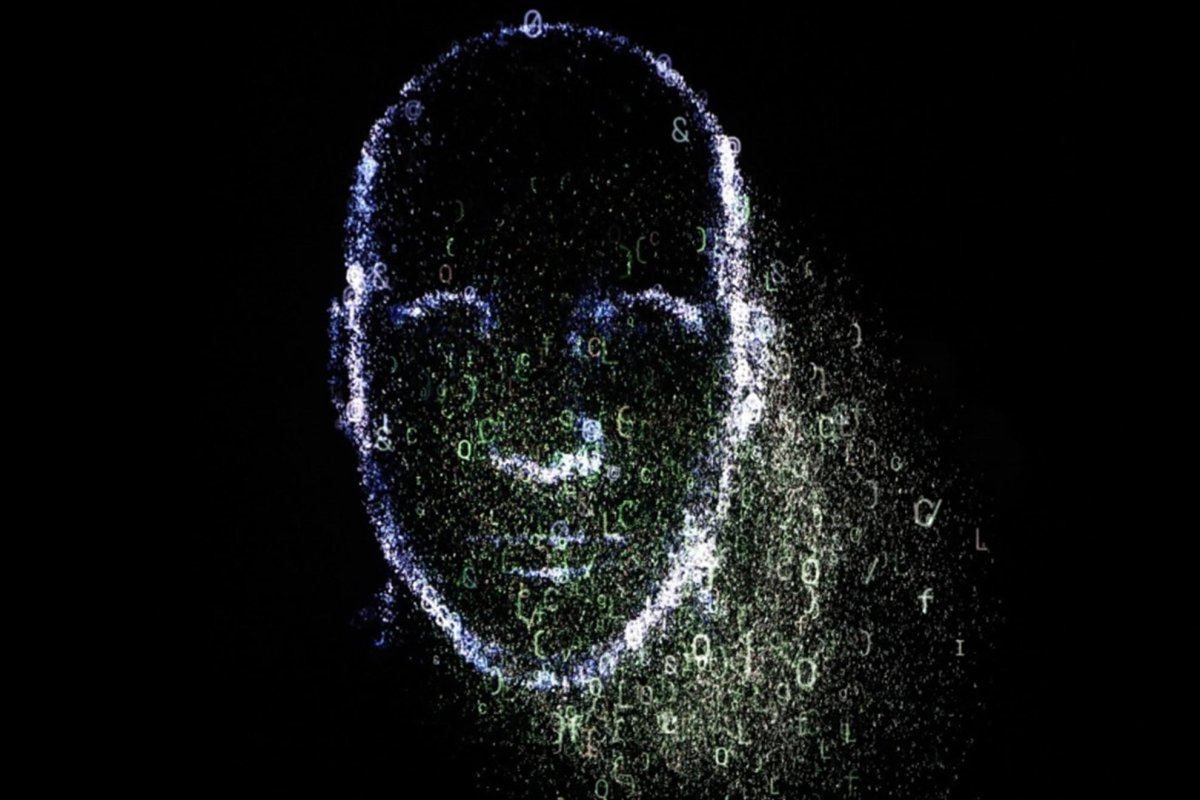
A detailed view of a screen as part of an interactive installation at the German Spy Museum in Berlin, Germany that explains the “big data” used by multinational companies and provided by their clients. Suspected deepfakes of job seekers infiltrated online job interviews at Japanese IT companies, raising concerns about a possible link to North Korea’s plans to secure jobs overseas. Photo credit: FELIPE TRUEBA / EPA
March 19 (Asia Today) — Suspected deepfakes of job seekers infiltrated online job interviews at Japanese IT companies, raising concerns about a possible link to North Korea’s plans to secure jobs and generate foreign currency overseas.
According to a Thursday report in the Yomiuri Shimbun, applicants used artificial intelligence to change their facial features and personal information to impersonate real individuals during a remote interview in Tokyo earlier this month.
The man gave a fake name, claimed to have grown up in the United States, and requested full remote work. When told he needed to attend in person, he finished the interview in about two minutes.
Applicants submitted English resumes through Japanese recruitment platforms, listed experience at major companies, and claimed native-level Japanese language proficiency. However, recruiters later discovered that the profile and career details matched those of Takefumi Yoshii, the CEO of a Tokyo-based IT company.
Yoshii said publicly available images and videos of himself appeared to have been used to create a false identity, calling the incident “creepy and horrifying.” He then received multiple reports of similar applicants using his status to apply to other companies.
Analysis of the interview footage by multiple organizations, including Okta and a Tokyo-based deepfake detection startup, found that the video was likely generated using AI. Investigators cited irregularities such as unnatural hairline boundaries, momentary misalignment of eyes, and inconsistencies in lip movements and speech.
Okta said more than 6,500 similar incidents have been identified around the world in recent years in which suspected North Korean IT workers used false identities to obtain remote jobs at foreign companies. In some cases, proceeds could have been sent to North Korea to support its weapons program.
A separate analysis by Trend Micro found evidence that North Korean cyber groups are experimenting with deepfake technology and creating a mass of fake resumes claiming expertise in full-stack engineering.
Security experts have warned that such tactics, once concentrated in the United States and Europe, are now spreading to Japan. It called on companies to strengthen their identity verification procedures, including multi-factor authentication and face-to-face interviews.
The researchers also point out that deepfake technology is rapidly advancing, making it increasingly difficult to detect without technical tools, and recommend multi-layered verification methods and detailed technical questions during the hiring process.
— Asia Today reported. Translation by UPI
© Asia Today. Unauthorized reproduction and redistribution is prohibited.
Korea original report: https://www.asiatoday.co.kr/kn/view.php?key=20260319010005830


